
Same-day & Next-day Delivery

Quality Guaranteed

Unlock Your Welcome Offers: FREE Delivery | Up to 80% OFF | Free 30-day JoyPlus trial
Download the APP
An Asian instant drink mix makes it easy to prepare a hot or cold drink at home. You don’t need to brew loose tea, grind coffee beans or weigh out multiple ingredients. However, drink powders vary widely in their composition, preparation method and serving size. If you only look at the packaging or a catchy flavour name, you could end up buying a product that’s too sweet, contains allergens, or isn’t suitable for everyday use.
“Matcha latte”, “milk tea” or “Thai tea” could be a powder with plenty of actual tea, or a mix where sugar and creamer are the main ingredients. Always check the ingredients list in descending order. If sugar, glucose or creamer appear at the top, they make up a large part of the mix.
In a classic milk tea, that can deliberately give the desired creaminess. However, if you’re after a pure tea experience, it’s better to look for a product with tea or matcha as a clearly recognisable ingredient. JP Nakayama Organic Matcha, for example, states 100% green tea with no added flavourings or other ingredients, according to the product description.
A vegan matcha latte may contain plant-based creamer, but can still include sugar, maltodextrin and sweetener. Even a soya milk powder can have added sweeteners. So alongside the ingredients, also check the nutritional information table, especially carbohydrates, of which sugars.
The values can differ per serving. A product with individual sachets makes portioning easy, while a bag of drink powder gives you more freedom but is easier to over-portion.
Instant coffee, milk tea and creamer often contain milk derivatives, such as milk powder, whey or sodium caseinate. Other products contain soya, wheat, oats, barley or fish. If you have allergies, always check the current packaging. Product information on a website can change and does not replace the label.
A sachet of 16 to 22 grams is practical for the office, travel or dividing into portions. For example, the Goldkili Milk Tea packaging uses 18 g sachets. With a larger pack, such as JENI Matcha Flavor Powder at 1 kg, you decide the dosage yourself. That’s handy for multiple cups, but requires a measuring spoon and consistent preparation.
Pay attention to the recommended amount of water. Some mixes need just 150 ml of hot water, while soya milk powder requires around 200 to 250 ml. Start with the packaging as a guide and then adjust the strength to your taste.
Look out for these terms:
A simple ingredients list, like that of pure Japanese matcha, makes the product suitable for multiple uses: a hot drink, matcha latte, smoothie or baking recipe. That doesn’t automatically mean everyone will like the taste; matcha can be grassy, umami-like and slightly bitter.
Instant tea and matcha may contain caffeine. The amount isn’t always listed separately in the nutritional information table. If you’re sensitive to caffeine, it’s a good idea to check the product information and packaging.
With ginger drink and turmeric drink, the mix often consists largely of sugar. The Goldkili Instant Ginger Turmeric Drink states, according to the product information, 10% ginger extract and 10% turmeric extract; around 15 g of sugar is listed per sachet. Consider this a flavoured drink rather than a product with a proven medicinal effect. Claims about effects only apply when the source is clearly stated and the claim meets the applicable regulations.
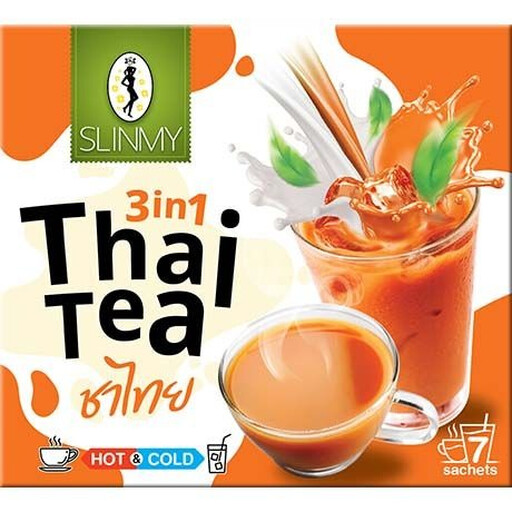
Why this fits the profile: An easy way to make a sweet Thai tea latte at home using just hot water.
The product information lists ingredients, allergens and nutritional values. This means you can check the sugar, creamer and milk content before buying.
210 g pack; serving size of approximately 20 g; suitable for a hot drink.
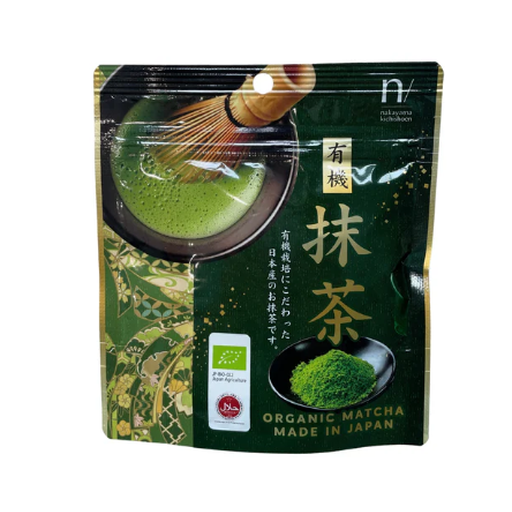
Why this fits the profile: For those who want a short ingredients list and pure Japanese matcha rather than a sweet latte mix.
According to the product description, the mix consists of 100% organic green tea, with no added flavourings or other ingredients.
30 g pure matcha; suitable for tea, lattes, smoothies and baking; none of the 14 main EU allergens listed.
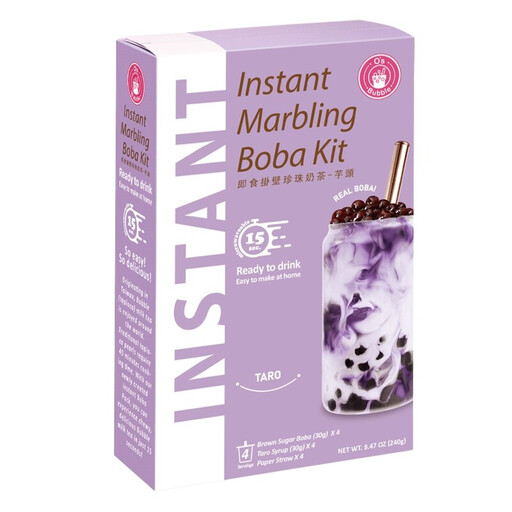
Why this fits the profile: A practical choice for anyone who wants to serve bubble tea at home without buying tapioca pearls and powder separately.
The set includes both tapioca pearls and taro milk tea powder. This means you don’t have to combine separate components with different preparation methods.
240 g total; taro flavour; complete instant boba set; milk listed as an allergen.
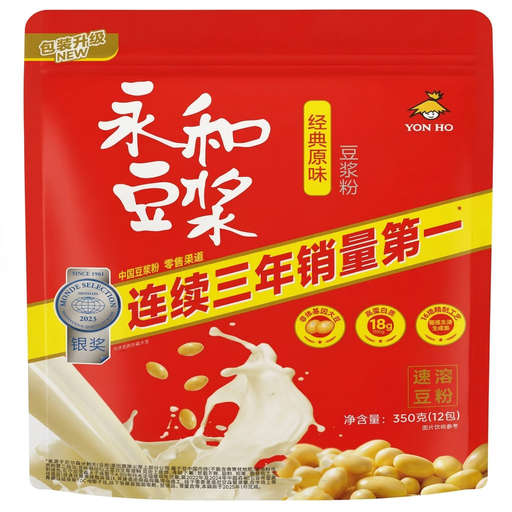
Why this fits the profile: For breakfast, the office or recipes where you want to make a soya drink quickly with hot or cold water.
The soya content is stated as 58%. This means you can see straight away that the product isn’t just made of sugar or creamer.
350 g pack; 18 g protein per 100 g according to the product information; suitable for hot or cold preparation.
We’ve put together a full, up-to-date list of products that fully meet these strict selection criteria and comply with current European safety regulations.
First, follow the ratio on the packaging. Often you add one sachet to 150 ml of hot water. For bubble tea, prepare the tapioca pearls separately if the instructions say so. Then add ice for a cold drink. Too little water gives a strong, sweet taste; too much water makes the drink thin.
That depends on the product. Store an opened pack in a cool, dry place, tightly sealed, away from sunlight and moisture. Sachets are practical because they are sealed per portion. Always check the best-before date and don’t use a pack if it’s damaged or the powder has become damp and clumpy.
You can only compare this fairly based on the actual serving size. Divide the weight or number of sachets by the number of cups you can make, and add any milk, ice, syrup or tapioca pearls if needed. A large bag of drink powder can work out well per cup, while portion sachets mainly offer convenience and a fixed dosage.
