
Vandaag of morgen in huis

Kwaliteit gegarandeerd

Welkomstaanbiedingen ontgrendelen: GRATIS bezorging | Tot 80% korting | Gratis 30 dagen JoyPlus-proefperiode
Download de app
Buying a curry product may seem straightforward, but the choice in an Asian supermarket or online is vast. Are you looking for a Japanese curry for the family, an Indian curry for a quick meal or a Thai curry paste for several dishes? In that case, the level of spiciness, preparation method and ingredients list are especially important.
Marketing claims such as “authentic taste”, “mild” or “suitable for everyone” do not always tell the whole story. Use these checks to avoid buying a product that is too spicy, unsuitable for your diet or destined to sit at the back of the cupboard after one use.
Spiciness scales are not the same everywhere. A Thai curry paste containing chilli may taste more intense than a mild ready-made curry. Japanese curry is also often thicker and milder than an Indian curry spice mix, but that does not mean every version is sweet or lightly spiced.
So do not just look at the front of the packaging. Check the preparation advice, ingredients such as chilli and pepper, and the recommended amount per serving. With curry paste, you can usually control the strength more easily than with a ready-made sauce.
A vegetarian curry may contain milk, butter, yoghurt or egg. Ashoka Instant Bombay Pav Bhaji, for example, states that the product contains milk and butter. Products labelled vegan have different points to consider: Haldiram’s Paneer Makhani (Vegan), for instance, lists soya and cashew nuts among its ingredients.
If you have allergies or specific dietary requirements, always check the current packaging. Under European food information rules, including Regulation (EU) No 1169/2011, important allergens must be clearly indicated. The product page is useful for an initial selection, but the label on the packaging takes precedence.
A 1 kg pack may seem good value per gram, but it is only practical if you make curry regularly. Mae Ploy Red Curry Paste 1KG is intended for frequent use, whereas a smaller jar or single-serving pack may make more sense for occasional cooks.
Check the shelf life, storage requirements after opening and the amount you need per meal. Product information may state that a jar should be tightly closed after opening and used within a short period. Follow these instructions before stocking up.
Distinguish between these product groups:
Also check whether the base contains animal-derived ingredients. According to the product information, Mae Ploy Red Curry Paste contains shrimp paste and is therefore unsuitable for vegans. Sunlee Vegan Yellow Curry Paste, on the other hand, is described as vegan, but lists soya, peanuts, sesame and nuts as allergens.
A ready-made curry saves time, but gives you less scope to adjust the flavour. A spice mix or curry paste requires more preparation, but allows you to choose the vegetables, protein source and amount of sauce.
Look for specific details such as:
S&B Golden Curry Sauce Mix, for example, is a solid 220 g sauce mix. Dissolve the blocks in water, then add your own vegetables and a protein source. The mild and hot versions use similar preparation methods, but differ in flavour intensity.
As well as the ingredients, compare the salt, sugar and fat content per 100 g. This makes products easier to compare than the claims on the front of the pack. Nutritional values can vary considerably between brands and recipes.
Do not forget to assess snacks and side dishes according to their own characteristics:
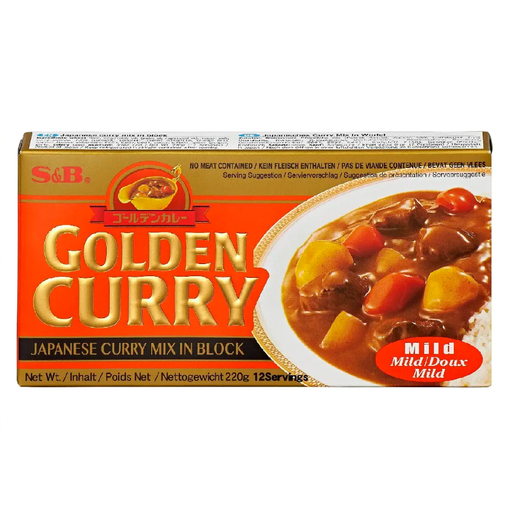
Why it suits this profile: The solid blocks are easy to portion, and you add your own rice, vegetables and protein source. This makes the Japanese curry a good introduction to making curry at home.
The mild version reduces the chance of a sauce being too fiery for the family. However, check the ingredients list for wheat and gluten.
220 g solid sauce mix; suitable for curry with rice, noodles or vegetables; choose your own ingredients and serving sizes.
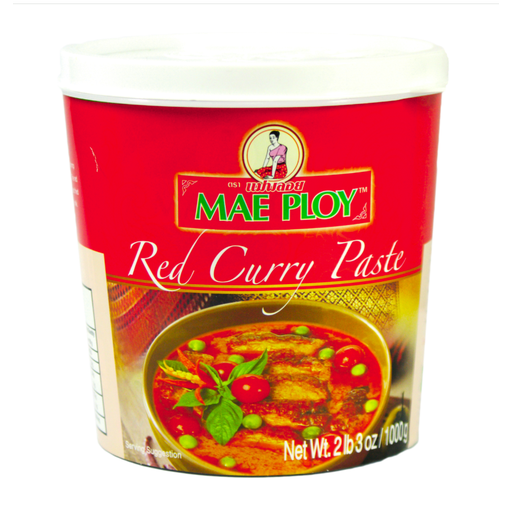
Why it suits this profile: For anyone who regularly cooks Thai dishes, a large format provides a useful base for curries, soups and marinades.
By mixing the paste with coconut milk and your chosen ingredients, you can adjust the quantity and heat for each meal. However, the paste contains shrimp.
1 kg contents; suitable for several dishes; contains ingredients including lemongrass, galangal and dried red chilli.
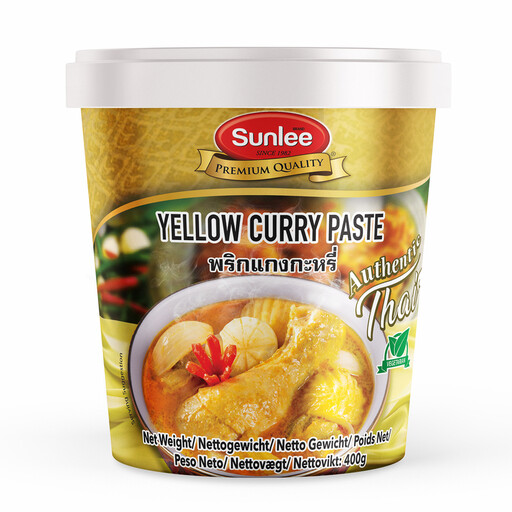
Why it suits this profile: A practical choice for vegans and households that regularly prepare plant-based Thai or Asian meals.
The product description calls it vegan and gluten-free, but also lists soya, peanuts, sesame and nuts. Check the label if you have allergies.
400 g jar; suitable for vegan cooking; can be combined with coconut milk, vegetables and tofu.
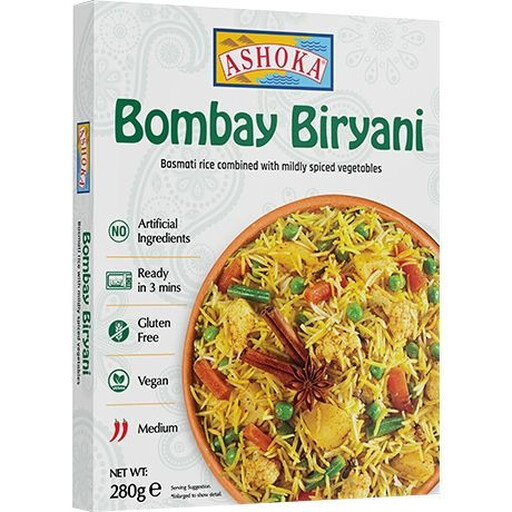
Why it suits this profile: This ready-made rice meal is designed to be heated and served easily, whether at home, at work or on the go.
There is no need to buy separate spices, rice and sauce. However, check the serving size and preparation instructions on the packaging.
280 g; basmati rice and vegetables included; according to the product information, suitable for vegetarians and vegans.
We have put together a complete, up-to-date list of products that fully meet these strict selection criteria and the applicable European safety regulations.
For a simple meal, combine a curry sauce or sauce mix with rice, onion, peppers and a protein source of your choice. If you want more control, choose a curry spice mix or paste and build the meal yourself.
For Indian snacks, you can combine:
For example, with Patak’s plain pappadum, pay attention to the listed peanuts and nuts. Haldiram’s Murukku contains wheat, sesame and chickpeas, among other ingredients. Details like these determine whether a snack is suitable for your household.
Japanese curry is often made with a solid sauce mix or roux block. The sauce is generally thick and is often served with rice. Indian curry may consist of a ready-made sauce, masala, spice mix or paste. The flavour and spiciness vary more widely depending on the recipe and brand.
Use less curry paste and gradually add coconut milk, vegetables or extra unseasoned ingredients. Check the product information first, as chilli features prominently in the ingredients list of many Thai curry pastes. With a paste, you can usually build up the flavour more easily than with a pre-mixed curry sauce.
It depends on the product. A dry sauce mix or curry spice mix generally keeps differently from an opened jar of curry paste, chutney or ready-made curry. Store it according to the label, seal the packaging securely and follow any instructions about refrigeration and using the product within a specified period. If in doubt, always follow the current information on the packaging.
