
Vandaag of morgen in huis

Kwaliteit gegarandeerd

Welkomstaanbiedingen ontgrendelen: GRATIS bezorging | Tot 80% korting | Gratis 30 dagen JoyPlus-proefperiode
Download de app
A multipack of Asian iced tea 250 ml x 6 is handy for enjoying at home, on the go, with a meal or when sharing. Yet many packs look more alike than they really are. The differences are often found in the tea base, sugar content, juice percentage and packaging.
If you only focus on the flavour name or colourful packaging, you could end up buying a drink that is too sweet, contains little tea or is less suitable for how you plan to use it. With these practical checkpoints, you can compare Chinese iced tea, lemon tea and other ready-to-drink teas based on verifiable information.
A flavour such as peach tea, grape tea or lemon tea may mainly come from flavourings. So check the ingredients list and the stated quantity of fruit juice. Some products, for example, state a juice content of at least 5%, while other varieties specify at least 9% or 10% fruit juice.
A fruit name on the front therefore does not tell you everything. Also check whether the drink contains fruit juice from concentrate, flavourings or both.
Products may contain sugar, fructose-glucose syrup, sweeteners or a combination of these. A low energy content can be combined with sweeteners, while a classic lemon tea may contain relatively large amounts of sugar.
Check the nutritional values per 100 ml and per bottle. A 250 ml bottle contains 2.5 times the amount stated per 100 ml. For example, a drink with 9.5 grams of sugar per 100 ml contains approximately 23.75 grams of sugar per bottle. For imported products, always check the current label too, as product information and packaging may change.
A pack of 6 x 250 ml may consist of bottles, carton drink packs or cans. This makes a difference when it comes to storage, taking them with you and recycling. Also check whether each individual carton or bottle can be resealed. For many ready-to-drink iced teas, the guidance is: refrigerate after opening and consume within 24 to 48 hours, depending on the product information.
The type of tea determines the flavour base:
Check how much tea or tea extract has been added in the ingredients list. A product description may mention a distinct tea aroma, but the ingredients and nutritional table remain the verifiable basis.
At a minimum, compare these values:
A product containing 0 grams of sugar may still contain sweeteners. Nestlé Oil Citrus Jasmine Tea, for example, carries a warning that the product contains sweeteners. After opening, this drink should be refrigerated and used within 24 hours according to the product information.
All products in this selection contain 1.5 litres in total: 6 packs of 250 ml. This is a practical serving size for lunch, a train journey or a chilled supply at home.
The juice percentages vary. Naïsnow Peach Oolong Tea states at least 10% fruit juice, while Naïsnow Green Grape Scented Oolong Tea states at least 9%. Nestlé Peach Clear Oolong and Nestlé Oil Citrus Jasmine Tea state at least 5% fruit juice. These percentages tell you something about the composition, but not automatically which flavour you will personally enjoy most.
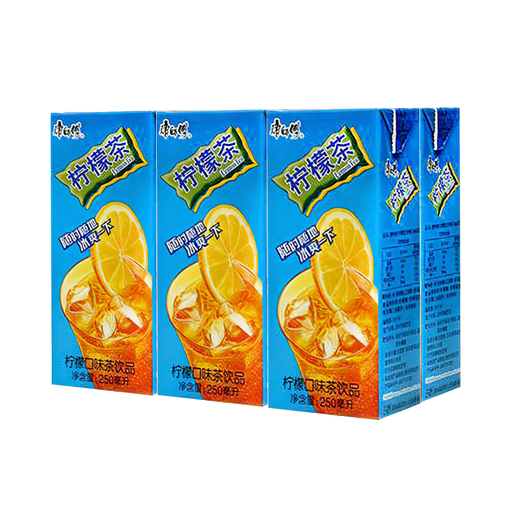
Why it suits this profile: A familiar lemon tea with black tea and lemon flavour, without a complicated combination of flavours. Handy as a first introduction to Asian tea drinks.
The product information explicitly lists black tea, lemon juice concentrate and 9.5 grams of sugar per 100 ml. So you know in advance that this is not a sugar-free option.
250 ml per bottle, 6 bottles per multipack, 38 kcal and 9.5 grams of sugar per 100 ml according to the product details.
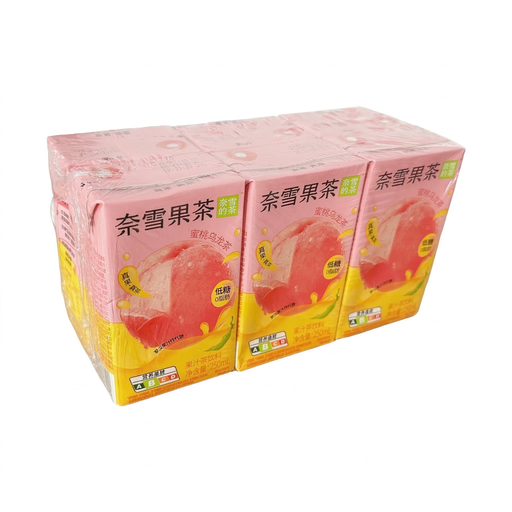
Why it suits this profile: For anyone who wants a fruity drink in which the oolong base remains distinctive. The combination of honey peach and apple is ideal for a chilled drinking break or light meal.
The juice percentage is stated as at least 10%, while the oolong content is stated as at least 4 g/l. This makes it easier to compare the fruit and tea focus with other varieties.
20 kcal and 4.8 grams of sugar per 100 ml; 6 bottles of 250 ml; the product information also lists erythritol and monk fruit concentrate.
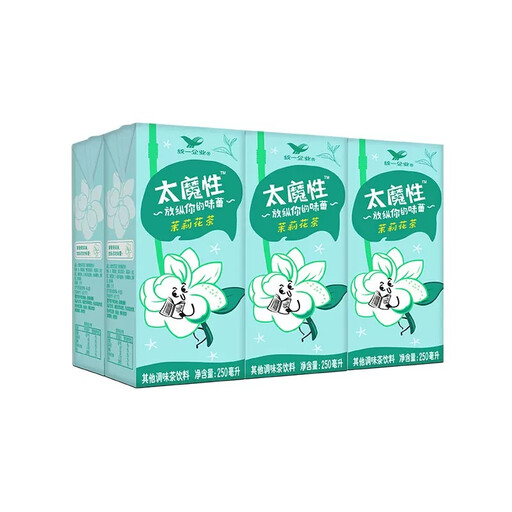
Why it suits this profile: Suitable for anyone who wants to keep several small portions in the fridge and is looking for a light jasmine and green tea flavour with meals or during work.
The nutritional information states 0 kcal and 0 grams of sugar per 100 ml. At the same time, the ingredients list includes sweeteners, so its sweet taste should not be confused with being “unsweetened”.
Jasmine and green tea leaves in the ingredients list; 6 bottles of 250 ml; to be served chilled according to the product information.
We have put together a complete, up-to-date list of products that fully meet these strict selection criteria and the applicable European safety regulations.
A pack contains 1,500 ml in total, divided into six 250 ml portions. This is practical for individual use, lunch or sharing several drinks at a gathering.
This varies by product. Many varieties in this selection state that they should be refrigerated and consumed within 24 hours. According to the product information, Nestlé Lemon Jelly Black Tea can be kept refrigerated for a maximum of 48 hours at 2–8 °C. Always follow the instructions on the packaging of your chosen variety.
The only reliable way to determine this is by comparing the nutritional tables. Uni-President Jasmine Tea states 0 grams of sugar per 100 ml, but according to the ingredients list it does contain sweeteners. Naïsnow Peach Oolong Tea states 4.8 grams of sugar per 100 ml. Check the current label when purchasing and choose according to your preference for sugar, sweeteners and flavour.
