
Vandaag of morgen in huis

Kwaliteit gegarandeerd

Welkomstaanbiedingen ontgrendelen: GRATIS bezorging | Tot 80% korting | Gratis 30 dagen JoyPlus-proefperiode
Download de app
A multipack of Asian iced tea 250 ml x 6 is convenient for home, the office, studying or with a meal. The portions are small enough to take chilled, and one pack contains 1.5 litres in total. However, ready-to-drink iced teas and fruit teas vary significantly in flavour, ingredients and nutritional values.
So don't just rely on an attractive product image or a well-known brand name. Instead, check the sugar content, the type of tea, the proportion of fruit juice and the shelf life after opening.
A product may prominently display jasmine tea, oolong tea or green tea on the packaging, while the ingredients list also includes plenty of sugar, syrup, flavourings or sweeteners. So look at the ingredients in descending order of quantity. Also check whether there is a quantitative indication, such as a percentage of tea or fruit juice.
With some products, a fruity taste is achieved mainly through flavourings. That isn't automatically a problem, but it does differ from a drink with a clearly stated proportion of lemon, peach or grape juice.
Terms like “low sugar”, “25% less sugar” or “low in calories” need to be read in context. Compare the nutritional values per 100 ml and per 250 ml bottle. A drink with less sugar may still contain sweeteners, for example.
According to the product information, Drinho Chrysanthemum Tea contains 25% less sugar than the regular version. However, always check the current packaging and nutrition table before purchase, as recipes and labelling can change.
A multipack of iced tea is practical, but compare the price per litre, not just the price per pack. Also check the best-before date. For imported products from China or other Asian markets, the product information may be presented differently. The responsible party in the Netherlands, allergen information and storage instructions should be clearly stated on or with the product.
First, choose the flavour that suits your needs:
Pay attention to the difference between tea extract, instant tea, tea concentrate and just a flavouring. The presence of real tea is usually stated in the ingredients list. A product description may also mention a specific tea variety, such as Baiya Qilan oolong.
Compare at least these values per 100 ml:
A 250 ml bottle contains 2.5 times the value stated per 100 ml. For example, a drink with 4.8 grams of sugar per 100 ml works out at around 12 grams per bottle. Also check for warnings such as “contains sweeteners”.
Some products in this selection are relatively low in calories according to the nutritional information provided. That doesn't mean they are suitable for everyone's preference. If you want to limit sugar, you could consider a variant with erythritol, steviol glycosides or monk fruit concentrate, but you should still read the full ingredients list.
With 250 ml x 6, you get six individual portions. That's practical for a lunchbox, workplace or picnic. Check whether they are bottles, cartons or cans, and whether a straw or resealable lid is included.
Most of the selected drinks should be stored unopened in a cool, dry place, away from direct sunlight. After opening, the product details generally advise refrigerating the drink and consuming it within 24 hours. Always follow the instructions on the packaging. Gently shake a product when natural tea components or sediment may be visible.
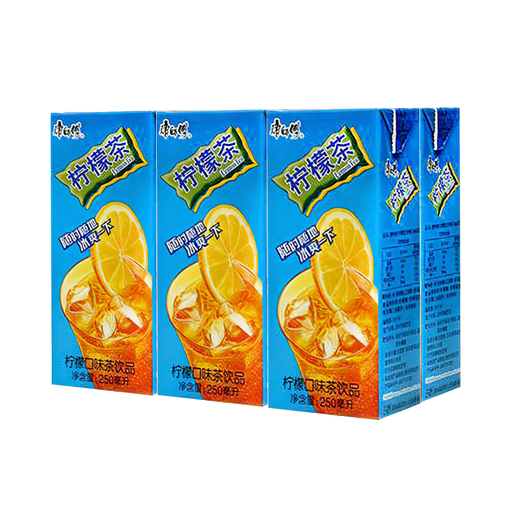
Why this fits the profile: A recognisable lemon iced tea with black tea and a classic sweet-and-sour flavour profile. The portions are suitable for spreading across work or school days.
The product information lists both black tea and concentrated lemon juice. This means you can compare the flavour base rather than relying solely on the front of the packaging.
250 ml per unit, 6 per multipack and, according to the product information, 38 kcal and 9.5 g sugar per 100 ml.
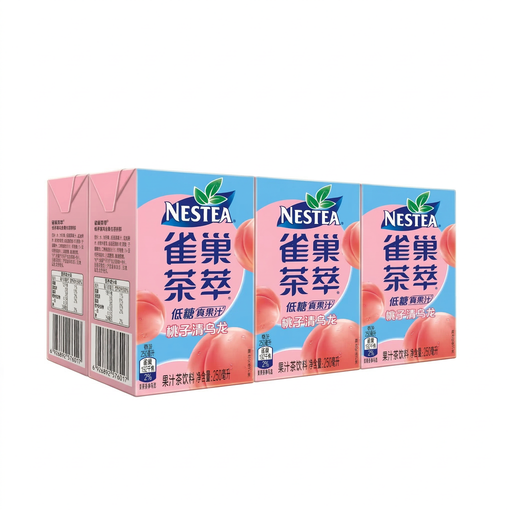
Why this fits the profile: For those who want a fruity peach iced tea combined with a softer oolong tea and a moderate energy value per portion.
The product details mention at least 5% fruit juice and state 4.1 g sugar and 18 kcal per 100 ml. This makes it easier to compare with sweeter variants.
Oolong tea with concentrated apple and peach juice, 250 ml per bottle and a total pack size of 1.5 litres.
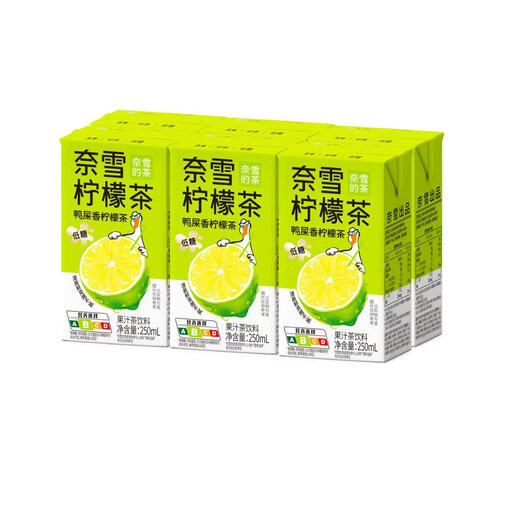
Why this fits the profile: An option for fans of a pronounced oolong profile, lemon flavour and a drink that is enjoyed chilled with meals or at home.
The product description mentions oolong tea of at least 5 g/l and lemon slices of at least 200 mg/l. It also clearly states that the product contains sweeteners.
According to the product information, 21 kcal and 5.0 g sugar per 100 ml, with no fat, in six 250 ml bottles.
We've put together a full, up-to-date list of products that fully meet these strict selection criteria and comply with current European safety regulations.
That depends on your personal preference and total consumption. The format is practical because each portion is individually packaged. However, do compare the sugar and calorie content per bottle before choosing a multipack.
Follow the instructions on the label. For many products, the rule is: refrigerate after opening and consume within 24 hours. Some packaging may state a different timeframe. Also check whether the packaging is bloated or damaged; if so, do not use the product.
Peach iced tea with oolong tea generally has a smoother taste than a pronounced lemon iced tea with black tea. For a more floral profile, you could look at jasmine tea or chrysanthemum tea. The final flavour depends on the tea concentrate, fruit juice, sugar and flavourings in the ingredients list.
