
Vandaag of morgen in huis

Kwaliteit gegarandeerd

Welkomstaanbiedingen ontgrendelen: GRATIS bezorging | Tot 80% korting | Gratis 30 dagen JoyPlus-proefperiode
Download de app
A jar of Asian hot sauces may seem like an easy choice. However, sambal, curry paste, hotpot seasoning and ready-made sauces differ considerably in how they are used, their heat level, ingredients and shelf life. A sauce that works well with noodles, for example, may be too sweet as a marinade. Hotpot bases are often concentrated and intended to be diluted, while gochujang is used in smaller quantities as a flavour enhancer.
If you want to buy hot sauce online, it is therefore worth looking beyond the packaging or claims such as “extra hot”. Pay particular attention to the intended use, serving size, allergens and storage instructions.
Heat is only one part of the flavour profile. Thai curry paste often contains aromatic ingredients such as lemongrass, galangal and kaffir lime. A Korean sauce may taste sweet, salty and fermented. Sichuan hotpot seasoning adds a tingling sensation from Sichuan pepper alongside the chilli.
An extra-hot sauce is therefore not automatically suitable for every dish. Before you buy, consider whether you are mainly looking for heat, sweetness, acidity, umami or spiciness.
A 400 g or 1 kg pack may seem appealing for families or frequent users. However, after opening, a product often needs to be refrigerated and used within a specific period. If you only make curry occasionally, a smaller curry mix may be more practical.
Also check the preparation ratio. A small amount of strongly concentrated hotpot base can make several servings of broth.
Asian flavourings regularly contain soya, wheat, gluten, peanuts, sesame, mustard or shellfish. Always check the current label. Product information may vary by packaging or market.
The salt content also deserves attention. According to the supplied product information, Haidilao Hot and Sour Hotpot Seasoning contains 11.2 g of salt per 100 g, for example. This does not directly tell you how much salt you will consume per serving, but it highlights the importance of using the right amount and diluting the product properly.
The terms mild, medium hot, hot and extra hot are not used consistently everywhere. Always check the ingredients and preparation method. According to the product description, S&B Golden Curry Medium Hot is intended to make approximately five to six servings. The extra-hot version contains, among other ingredients, chilli pepper and chilli extract. If you are unsure, start with a smaller amount and add more later.
According to the product information for Mae Ploy Yellow Curry Paste, 50 g of paste is combined with 400 g of coconut milk. Half this amount is recommended for a milder flavour. Ratios like these are more useful than a marketing term on the front of the pack.
An opened sauce or paste often needs to be refrigerated. According to the supplied product information, this applies to various hotpot bases, chilli sauces and curry pastes. Store unopened products in a cool, dry place away from direct sunlight, unless the label states otherwise.
Also check:
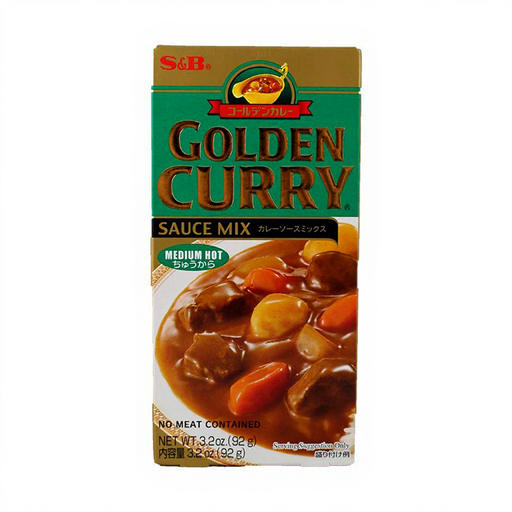
Why it suits this profile: The 92 g pack is a manageable size for anyone who wants to make Japanese curry occasionally without opening a large bulk pack.
The product description states that it has a medium heat level and makes approximately five to six servings, helping you judge how much you need.
Curry mix in block form, suitable for rice and noodles; according to the product information, contains wheat and soya.
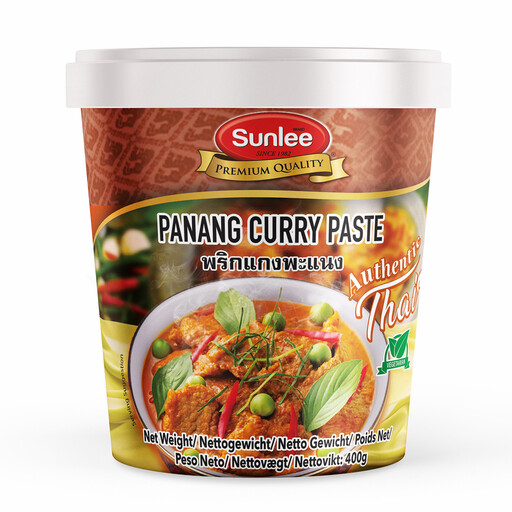
Why it suits this profile: Ideal for home cooks who want to do more with one base: curry, stir-fries, soup and marinades.
The product description lists specific ingredients such as dried chilli, lemongrass, galangal and kaffir lime, rather than making only a general claim about its heat level.
400 g contents; according to the product information, vegan and suitable for curry, stir-fries, soup and marinades.
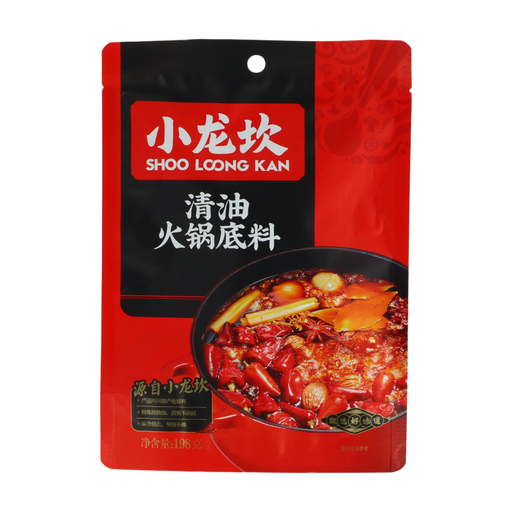
Why it suits this profile: A practical choice for Sichuan hotpot enthusiasts who also make stir-fries, stews or noodle soup.
The instructions state how much water is needed for hotpot and also give a recommended quantity of 20 to 50 g for stir-frying or stewing.
Contains chilli and Sichuan pepper; 198 g contents; according to the product information, suitable for hotpot, wok dishes and noodle soup.
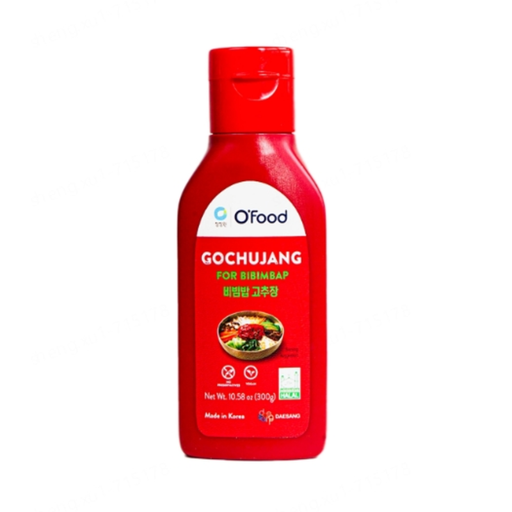
Why it suits this profile: Ideal for bibimbap, rice, marinades and Korean side dishes when you are looking for a thick, sweet and spicy condiment.
The intended use for bibimbap is clearly stated. The ingredients list includes wheat, soya and mustard, among other ingredients, so you can check for allergens.
300 g contents; according to the product information, halal certified; suitable as a Korean sauce for rice dishes.
We have put together a complete, up-to-date list of products that fully meet these strict selection criteria and the applicable European safety regulations.
A medium-hot Japanese curry mix is often easy to measure. Add water, vegetables and a source of protein, then follow the preparation instructions. If you would rather use something ready to serve, choose a Korean sauce or sambal and start with a small amount.
Always follow the label. Many curry pastes, sambals and hotpot bases need to be refrigerated after opening. Use a clean spoon, seal the packaging securely and check the storage information. If you are unsure about the smell, colour or packaging, it is best not to use the product.
Gochujang is a thick Korean chilli paste with a distinctive savoury and often slightly sweet flavour. Sambal is generally a direct chilli condiment for rice, noodles and side dishes. Thai curry paste contains aromatic herbs and spices alongside chilli and is often fried before being mixed with coconut milk. The right choice therefore depends on the dish you want to make.
