
Vandaag of morgen in huis

Kwaliteit gegarandeerd

Welkomstaanbiedingen ontgrendelen: GRATIS bezorging | Tot 80% korting | Gratis 30 dagen JoyPlus-proefperiode
Download de app
Bringing the authentic flavors of Asia into your own kitchen can be a challenge. You've found a recipe, you're excited, but the ingredients list includes products you can't find in a regular supermarket. A visit to a physical Asian market is an option, but the selection can be overwhelming and the labels often unclear. Searching for Asian groceries online opens up a world of possibilities, but it also comes with its own pitfalls.
Many home cooks run into the same problems. Products labeled "authentic" turn out to have a disappointing, Westernized taste. Another common mistake is buying a promising-looking jar, only to realize you have no idea how to use it, after which it disappears to the back of the pantry. Prices for specific Asian products can also be quite steep, causing you to overpay for a basic ingredient.
This guide will help you avoid these pitfalls. We focus on the core specifications that truly make a difference, so you can make the right choices for your dishes with confidence.
Before you fill your digital shopping cart, it's helpful to understand a few basic principles. The complexity of Asian cuisine often lies in the balance of a few fundamental flavorings.
Not all vinegars or oils are created equal. The terms are often used interchangeably in webshops, but the impact on your dish is enormous.
Many Chinese ingredients that are often seen as side dishes are, in fact, essential building blocks for the flavor and texture of a meal. Pickled vegetables, such as mustard stems (zhacai), are not just a snack but also provide a crunchy, salty, and umami-rich kick to noodle soups or stir-fries. When choosing, pay attention to the packaging: individual portions can be convenient for preventing waste.
The world of instant noodles is much broader than the selection in the supermarket. For a more authentic experience, look for the type of noodle (e.g., rice noodles for a Vietnamese pho-style) and the complexity of the included flavor packets. High-quality varieties often include an oil or paste packet in addition to a powder sachet, resulting in a much richer broth.
To help you get started, we've selected a few products that suit different cooking styles and needs. These choices are based on their clear specifications and versatility.
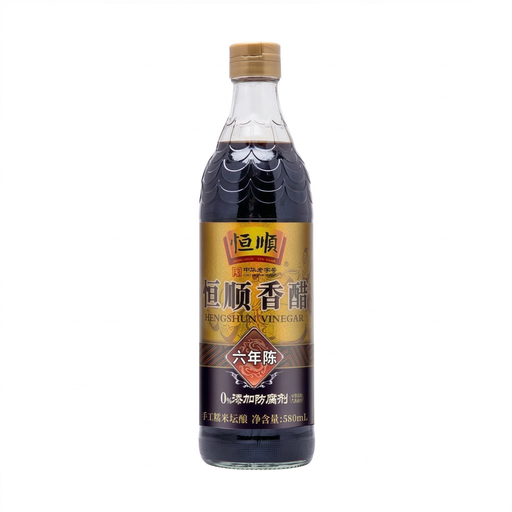
Why This Fits Their Persona: This cook wants to build a pantry with versatile, high-quality ingredients. A complex, aged vinegar is a cornerstone for countless authentic dishes, from dipping sauces to stews, and elevates the flavor to the next level.
This isn't a vague "Asian vinegar." The specifications "Zhenjiang" and "six years aged" are concrete quality indicators that avoid the pitfall of a generic "authentic" label.
Deep, complex, and mellow sour flavor that can't be replicated. Made from glutinous rice and wheat bran for an authentic profile.
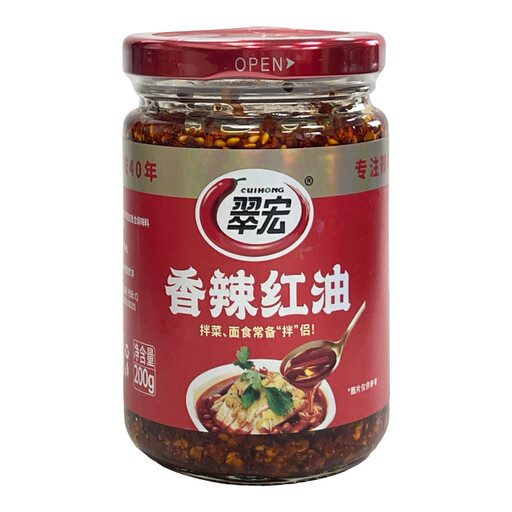
Why This Fits Their Persona: This person wants authentic flavor without spending hours in the kitchen. A good chili oil is a quick way to give any dish, from noodles to eggs, an instant complex and spicy flavor boost.
This product solves the "unknown ingredient" pitfall. It's a ready-to-use flavoring with clear applications (drizzling, dipping, mixing), making it immediately usable without any guesswork.
Ready to use for a layered, aromatic heat. Made with rapeseed oil, chili peppers, and sesame for a rich flavor.
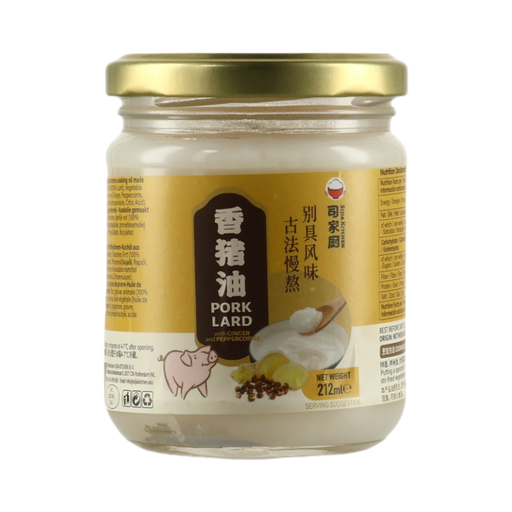
Why This Fits Their Persona: This cook seeks the specific, deep flavors of traditional Chinese cuisine. Lard is a fundamental cooking fat that provides a unique richness that can't be matched by vegetable oil, making it essential for certain classic dishes.
This product bypasses the "Westernized taste" pitfall by offering a base ingredient that is often substituted in recipes outside of Asia. It's the key to a truly traditional flavor.
Provides an unmistakable, full, and rich flavor to stir-fries and noodle soups. Made using traditional methods for a pure, aromatic taste.
We've compiled a complete, up-to-date list of products that meet these strict selection criteria and current regulations.
Rice vinegar is light, clear, and has a mild, crisp flavor. It's ideal for sushi, salad dressings, and lightly acidifying dishes. Black vinegar, such as Zhenjiang vinegar, is dark, thicker, and has a much more complex, malty, and umami-rich flavor due to its fermentation and aging process. It is more potent and used for dipping sauces, braises, and as a flavoring in noodles.
Most authentic flavorings like soy sauce, oyster sauce, and vinegar are best stored in the refrigerator after opening to preserve their flavor and quality. This is especially true for products without preservatives. Oils like sesame oil and chili oil can go rancid from exposure to light and heat, so store them in a cool, dark place. Always check the label for specific storage instructions.
An online Asian grocer can offer competitive prices, especially for bulk packages or staple products you use regularly. The advantage also lies in the convenience and access to a broader, more specialized range that may not be available locally. By comparing prices and looking for deals, you can often save money, especially when you factor in the travel time and costs to a physical store.
