
Vandaag of morgen in huis

Kwaliteit gegarandeerd

Welkomstaanbiedingen ontgrendelen: GRATIS bezorging | Tot 80% korting | Gratis 30 dagen JoyPlus-proefperiode
Download de app
Buying Asian groceries online is convenient when you do not want to visit several shops every time you need dumplings, sauces, snacks and frozen products. However, it is not always immediately clear what you will actually receive when shopping online. An appealing product photo, for example, tells you little about preparation methods, allergens or the amount of product in the packaging.
When buying Asian groceries online, pay particular attention to these three pitfalls:
A large pack that provides only a few portions
A 500 or 600 g bag may look generous, but the product could contain a lot of liquid, dough or sauce. So do not compare only the total price. Check the weight and the intended number of portions too.
Frozen products that are not ready to eat straight away
Many Asian frozen products are raw and must be heated thoroughly. Dumplings, fish balls, tang yuan and taro balls are therefore not automatically snacks that you can eat straight from the packaging.
Marketing claims without practical details
Words such as “traditional”, “premium” or “restaurant-style” do not provide clear information about ingredients or how to use the product. It is better to check the country of origin, ingredients list, allergens, storage temperature and cooking time.
For frozen products, –18 °C or lower is an important point to check. Look at the product page or packaging to find out how the product should be stored. Products that have thawed often state that they must not be refrozen.
A product such as Fresh ASIA Taiwanese Flavor Three-Color Taro Balls 200g must be stored frozen. According to the product information, you do not need to defrost the balls: place them straight into boiling water and, once they float after approximately 3 to 5 minutes, cook them for another 1 to 2 minutes before serving. Always check the packaging, as preparation instructions may vary between batches or products.
If you have allergies or specific dietary preferences, it is best to read the full ingredients list. Many Asian products contain wheat, soya, sesame, egg, fish, crustaceans and molluscs. This applies, for example, to dumplings, hotpot ingredients and some Chinese snacks.
Even a product made mainly from rice may contain additional ingredients. A+ Chopped Rice Cake (Teokboki) - 500 g lists rice as its main ingredient, with salt, alcohol and citric acid as the other ingredients. The product information does not list any of the 14 major EU allergens. If you have allergies, always check the current label.
Pay attention to the difference between ready-to-eat and cooking required. Packaging may make a product look ready to use, even though it still needs to be boiled or steamed.
For hotpot, thinly sliced beef, fish balls and dumplings are practical because they cook quickly. According to the product information, Kinda Hotpot Beef Slices 400g consists of 100% beef and is cut into thin, even slices. The product must be heated thoroughly and must not be refrozen after defrosting.
For sauces, the salt and sugar content is particularly relevant when making your choice. Healthy Boy Thick Oyster Sauce - 815 g lists oyster extract, sugar and salt among its ingredients. The nutritional information indicates approximately 22 g of sugar and 10.4 g of salt per 100 g. Use this type of sauce as a flavour enhancer and compare the ingredients with your recipe.
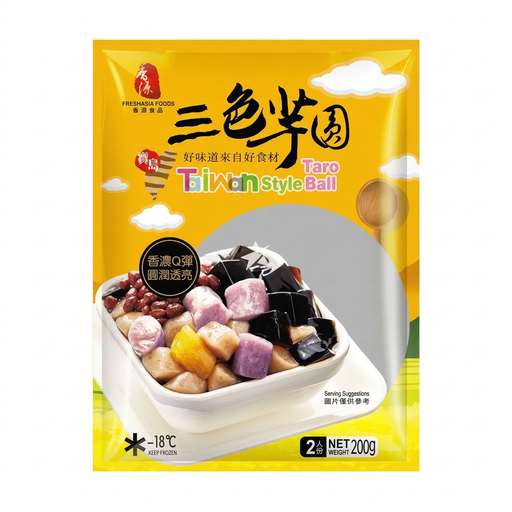
Why it suits this profile: A compact pack for anyone who wants to try Taiwanese desserts without immediately building up a large supply. Use in sweet soup, tofu pudding or shaved ice.
The product information clearly states that cooking is required, including the cooking time and storage advice. This makes the difference between a frozen ingredient and a ready-to-eat snack clear.
200 g; three colours made from sweet potato, purple sweet potato and taro; individually quick frozen according to the product description.
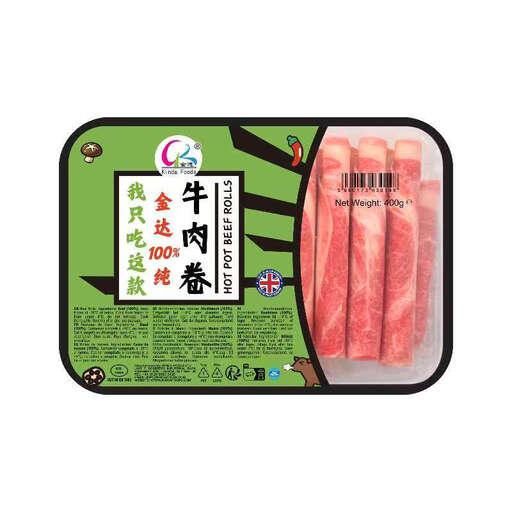
Why it suits this profile: Ideal for households that regularly prepare hotpot or stir-fries and want a clearly specified meat product.
The ingredients list states 100% beef, while the product information gives the origin and storage temperature. This makes it easier to compare than an unclear meat product with unspecified ingredients.
400 g; 100% beef according to the product information; thinly and evenly sliced for quick preparation.

Why it suits this profile: A practical mix for a generous hotpot meal with a variety of textures and flavours, without having to buy several small packs.
The packaging lists four varieties: fish, pork, squid and beef balls. The allergen list mentions fish, molluscs, egg, soya, wheat and sesame, allowing you to check in advance whether the mix is suitable.
500 g; can be cooked straight from frozen; suitable for hotpot and soup; product information states a cooking time of 5 to 7 minutes.
We have put together a complete, up-to-date list of products that fully meet these strict selection criteria and the applicable European safety regulations.
That depends on the cold chain and the condition in which your order arrives. Check that the packaging is still properly frozen and follow the stated advice of –18 °C or lower. Products that have completely thawed should not be refrozen. If in doubt, follow the instructions on the label or contact the seller.
The use-by or best-before date is shown on the packaging and applies as long as the product is stored at the stated temperature. A shorter period may apply after opening or defrosting. Keep opened products well sealed and prepare them according to the instructions. “Long shelf life” does not mean that the quality will remain unchanged indefinitely.
For dim sum, a pan with a steaming basket or insert is usually sufficient. For hotpot, you need a wide pan, stock and ingredients that cook quickly, such as dumplings, fish balls and thinly sliced beef. Start with a few products and expand your supply once you know which flavours and portion sizes suit your household.
