
Vandaag of morgen in huis

Kwaliteit gegarandeerd

Welkomstaanbiedingen ontgrendelen: GRATIS bezorging | Tot 80% korting | Gratis 30 dagen JoyPlus-proefperiode
Download de app
Asian fruit snacks come in many forms: from Japanese cake and mochi to Taiwanese fruit jelly, konjac jelly, nata de coco pudding and fruit purée. On a product photo, portions can sometimes look bigger than they really are, while a tropical name doesn’t automatically mean there’s a lot of fruit inside.
So it’s worth keeping an eye on three common pitfalls:
With the right comparison, it’s easier to find a snack for on the go, a dessert for the family, or a product to use in yoghurt, smoothies and baking.
Start with the ingredients. Ingredients are listed in descending order by weight. If water, sugar or syrup appears before the fruit, the product is mainly a sweet preparation with fruit flavouring. That’s not necessarily a problem, but it helps to set the right expectation.
For example:
Also pay attention to the name. Mango slices are pieces of fruit, whereas a mango jelly or mochi with fruit filling is mainly a dessert product with a fruit component.
Don’t just compare calories – also look at carbohydrates and sugars. An individual pouch or cup might look small, but several portions can quickly add up.
Here are a few examples from the product information:
A low energy value doesn’t automatically tell you about the flavour, how filling it is, or whether it’s suitable for a particular person. Always check the full ingredients list. For products with sweeteners, it’s important to see which sweeteners have been used. The Hethstia specification, for example, doesn’t list EU-14 allergens, but the composition remains the deciding factor.
The texture determines whether a snack suits your needs:
Also check whether a product needs to be stored chilled, in a cool dry place, or frozen. Once a pouch or pudding is opened, there’s often a short use-by period. For allergens, shelf life and storage, always follow the label on the packaging – that information can change from pack to pack.
The selection below is based on verifiable product data such as content, portion packaging, ingredients, nutritional values and storage instructions.
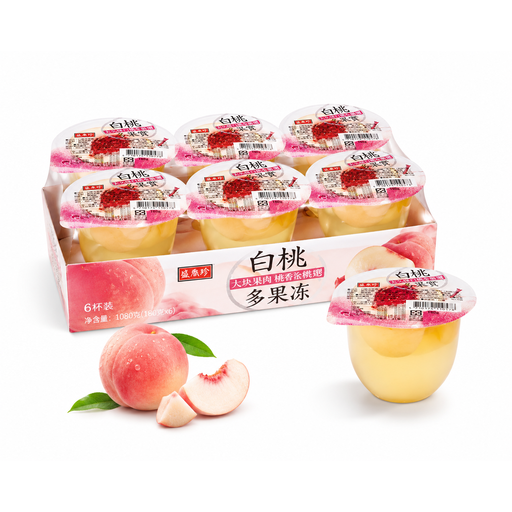
Why this fits the profile: Six individual cups of 180g make it easy to stock up on Asian fruit snacks and take one portion at a time.
The fruit content of 8% and the nutritional values per 100g are clearly stated. This lets you compare the fruit flavour with the actual composition.
6 individual cups, 180g each, with pieces of white peach. According to the product information, best enjoyed chilled.
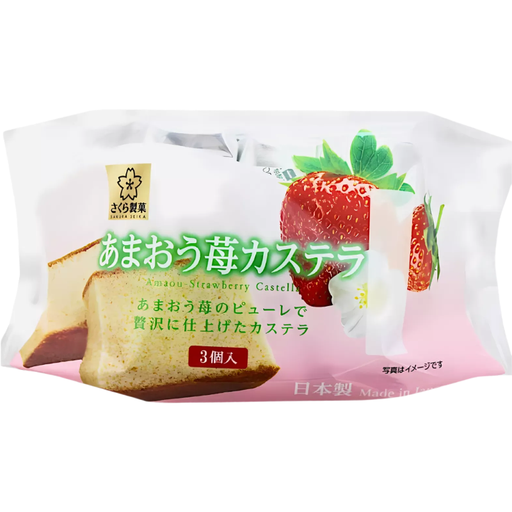
Why this fits the profile: This Japanese snack is ideal for anyone looking for a soft cake rather than jelly or sticky mochi.
The box contains three individually wrapped pieces. This makes the portion and ingredients easy to check.
105g total, three wrapped portions and a product description with strawberry purée. Contains egg and wheat; keep refrigerated according to the label.
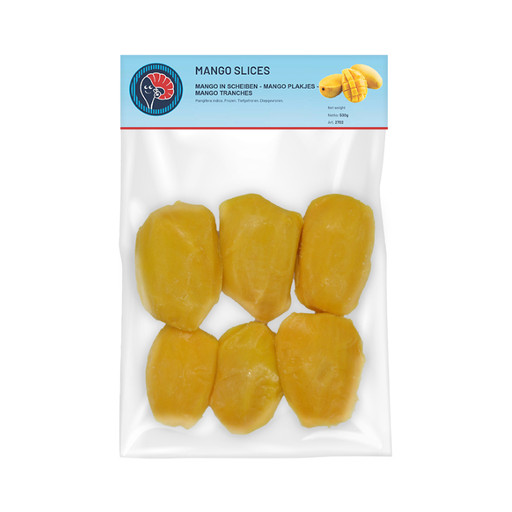
Why this fits the profile: A 500g bag suits households that regularly make smoothies, yoghurt bowls or Asian fruit desserts.
You’re buying mango in a clear bulk pack rather than small snacks that are mostly syrup, jelly or flavouring.
Frozen mango pieces, ready to use in cold preparations. Check the pack for storage and defrosting instructions.
We’ve put together a full, up-to-date list of products that fully meet these strict selection criteria and comply with current European safety regulations.
If you’re mainly looking for Taiwanese snacks, keep an eye on BAMBOO HOUSE Double Filling Mango Mochi or the lychee version. According to the product information, the mango mochi contains a mango and milky filling and allergens such as egg and milk. The lychee version is described as gluten-free and free from artificial colours, but always check the current label.
For a nata de coco pudding, Fruit Pudding Nata de Coco with Cubes, Kingo Lychee Pudding with Nata de Coco and Lychee Pudding Nata de Coco are possible directions. These products contain coconut gel cubes; some also contain milk powder. If you want to buy fruit snacks online for on the go, look at individually wrapped jelly sticks, such as COZZO Fruit Jelly Sticks or ABC Fruit Jelly Sticks.
With children, pay extra attention to size and use. The product information for COZZO mentions colourings E102 and E129, along with a warning about possible effects on activity and attention in children. So read the full pack text before putting a product in a lunchbox.
No. Asian fruit snacks include jelly, mochi, pudding, cake, fruit purée, fruit in syrup and frozen fruit. Dried fruit usually contains concentrated fruit without much water, whereas jelly and pudding often contain water, sugar, thickeners and fruit juice.
That depends on the product. According to the label, fruit jelly and pudding can be stored in a cool dry place or chilled after opening. Mochi should generally be kept dry and out of direct sunlight; after opening, an airtight pack helps prevent it drying out. A frozen product like mango slices should stay in the freezer.
Look for individually wrapped products, such as jelly sticks, single konjac jelly pouches or individually wrapped mochi. Do check how many grams one portion contains and compare the sugar and calorie data per 100g. That way, you avoid assuming a small pack is automatically a lighter choice.
