
Vandaag of morgen in huis

Kwaliteit gegarandeerd

Welkomstaanbiedingen ontgrendelen: GRATIS bezorging | Tot 80% korting | Gratis 30 dagen JoyPlus-proefperiode
Download de app
Asian fruit snacks and fruit products are available online in many forms: from dried fruit and Chinese plum snacks to fruit in syrup, frozen mango and tropical ingredients for desserts. It's precisely this wide choice that can make it difficult to compare products properly.
An attractive packet, for example, doesn't always tell you how much fruit is inside. Also, a product sold as “fruit” can contain relatively high amounts of sugar, salt, sweeteners or syrup. With the following checks, you can avoid a bad buy and choose more wisely for snacking, yoghurt, smoothies or a dessert.
Dried and candied fruit contains less water than fresh fruit. This makes it easy to eat several pieces in a row. With preserved fruit in syrup, the syrup adds extra. So don't just look at the front of the packet; compare the nutritional information per 100 grams.
With some Chinese fruit snacks, the salt content is also important. Preserved plums, bayberries and other pickled fruits can contain salt, sweeteners and flavourings alongside sugar.
Check whether the product consists only of fruit or also contains sugar, glucose syrup, preservatives, acidity regulators and flavourings. HaoXiangNi Crispy Red Jujube Slices, for example, lists red dates as the ingredient, while other snacks use several additives.
Extra care is needed if you have allergies. Think of sulphites in candied pineapple or coconut meat in syrup, and milk, soya and almonds in chocolate-coated dates.
Frozen fruit should stay in the freezer until use. After defrosting, follow the storage instructions on the packet and do not refreeze the product if it advises against it. Store dried fruit and snacks in a cool, dry place, and seal them well after opening.
Canned fruit and fruit in syrup are handy to stock up on, but always check the instructions on the label after opening. Do not use packaging that is damaged or bloated.
First, choose based on how you'll use it:
A small bag of 50 to 90 grams is practical for taking with you or trying out. For families or regular use, packets of 280 to 750 grams are often more sensible. Just check whether you can reseal the product after opening.
Also pay attention to the drained weight for canned fruit. The total contents including syrup is not the same as the amount of fruit.
Compare at least:
A brand claim about taste, quality or product effect should not be taken as independent evidence. According to the product information from the brands themselves, specific properties may be mentioned, but the ingredients list and nutritional table on the packet remain the deciding factor.
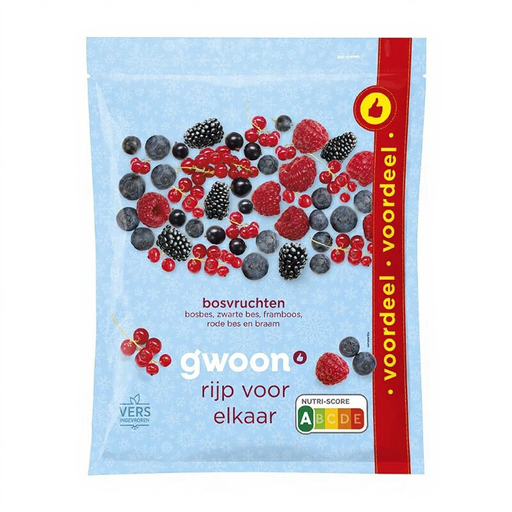
Why this fits the profile: The 750-gram packet is suitable for regular use in smoothies, desserts or as a topping. The product is stored frozen.
The product information mentions a mix of forest fruits and gives clear instructions for frozen storage and use after defrosting.
750 grams; suitable for multiple uses; according to the product information, free from the 14 major EU allergens.
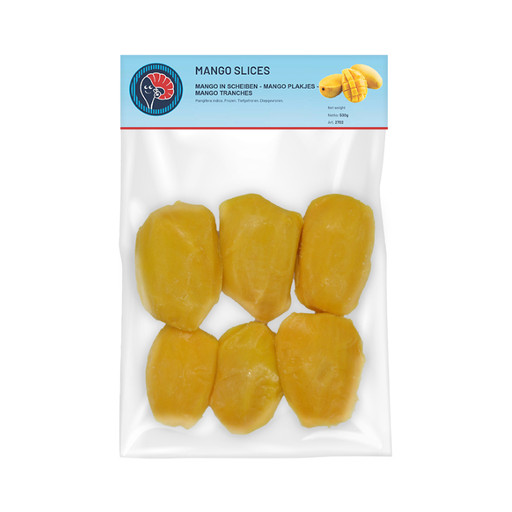
Why this fits the profile: These frozen mango slices are designed for anyone who wants a tropical flavour without having to chop fresh fruit first.
The 500-gram portion and the sliced format make the quantity and use clear. Check the current ingredient information on the packet.
500 grams; ready-to-use slices; suitable for smoothies, yoghurt and desserts.
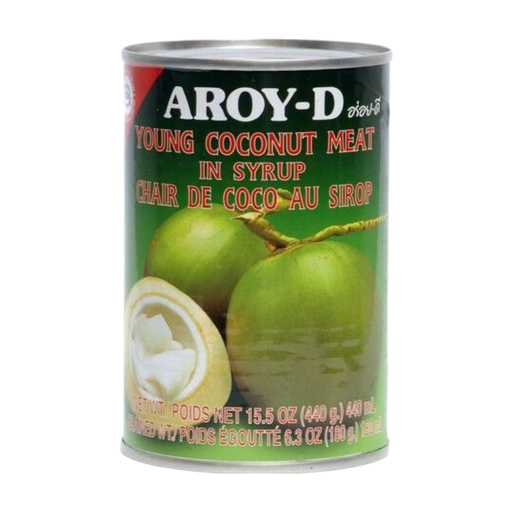
Why this fits the profile: A tin of young coconut meat in syrup is practical for desserts, ice cream, yoghurt or a tropical fruit mix.
The ingredients list mentions water, sugar, citric acid and sulphites. This allows you to take syrup and allergens into account in advance.
425 grams; ready to serve; usable as a dessert ingredient or topping.
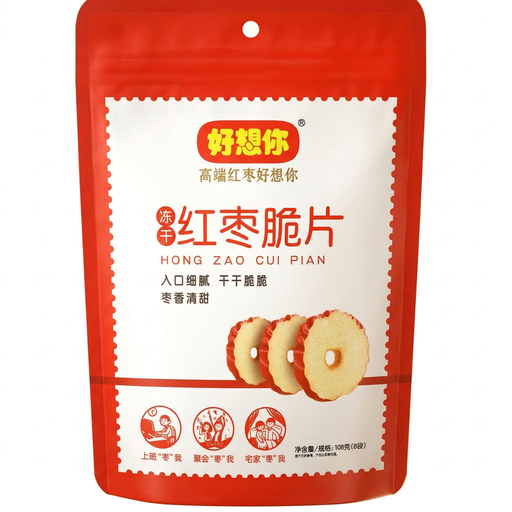
Why this fits the profile: The crispy red date slices are ready to eat and suit fans of traditional Chinese fruit flavours.
The product information lists red dates as the ingredient and a net weight of 108 grams. Store the product in a cool, dry place and keep it sealed.
100% red dates according to the product listing; crispy texture; ready to eat.
We've put together a full, up-to-date list of products that fully meet these strict selection criteria and comply with current European safety regulations.
Dried fruit contains less water and usually comes in a bag. It's easy to take with you. Preserved fruit is often in a tin, juice or syrup and usually has a softer texture. With both types, check the ingredients and nutritional value per 100 grams.
Store frozen fruit straight in the freezer. Only use the amount you need and follow the instructions on the packet after defrosting. If the product should not be refrozen, keep it chilled and consume it within the stated period.
That depends on the ingredients and your personal preferences. Chinese plum snacks can contain sugar, salt, sweeteners, sulphites or other additives. Some products also mention a source of phenylalanine. So always read the label, especially if you have allergies, food intolerances or a diet low in salt or sugar.
