
Vandaag of morgen in huis

Kwaliteit gegarandeerd

Welkomstaanbiedingen ontgrendelen: GRATIS bezorging | Tot 80% korting | Gratis 30 dagen JoyPlus-proefperiode
Download de app
Asian fruit jelly is available as soft jelly cups, convenient jelly sticks and drinkable konjac jelly in flavours such as lychee, mango, grape and peach. There is a wide selection from Korea, Japan, Taiwan, China and South-East Asia. This can make it difficult to know which packaging, texture or nutritional profile best suits your needs.
Pay particular attention to three common pitfalls:
Don’t just compare the calorie count on the front of the pack. Look at sugars, carbohydrates, serving size and sweeteners. For example, Jelly B Konjac Jelly Lychee lists 3 kcal and 0 grams of sugar per 100 ml. The Jelly B blueberry-flavoured variant lists 10 kcal and 2 grams of sugar per 100 ml. This makes these pouches appealing if you’re looking for a light snack, but the ingredients remain the deciding factor.
Ordinary jelly sweets and fruit desserts can contain considerably more sugar. According to the product information, Yuki & Love Litchi Flavoured Jellies contains 21 grams of sugar per 100 grams. COZZO Fruit Jelly Sticks lists 26 grams of sugar per 100 grams. A product with a fruity appearance is therefore not automatically a low-calorie jelly.
Konjac jelly contains konjac powder, often combined with gelling agents such as carrageenan, gellan gum or xanthan gum. This generally creates an elastic, smooth texture. Other Asian jelly desserts have a softer, pudding-like texture or contain pieces of fruit pulp.
Pay attention to the product format:
For products containing konjac or with a firm texture, always follow the instructions on the packaging. Jelly can pose a choking risk for young children, so check the age warning and only give the snack in a suitable form.
A multipack is useful if several people snack regularly, but compare the price per 100 grams. A 1 kg pack may seem good value, but could be less suitable if you only eat jelly occasionally. Also check the storage instructions. Many products need to be kept in a cool, dry place and consumed immediately after opening, or stored in the fridge.
For imported products, the information on the packaging may be the most relevant source. Check the ingredients, allergens, country of origin, net quantity and best-before date before opening the pack. Even when the product description states that a product contains none of the 14 main EU allergens, it is still wise to check the current label.
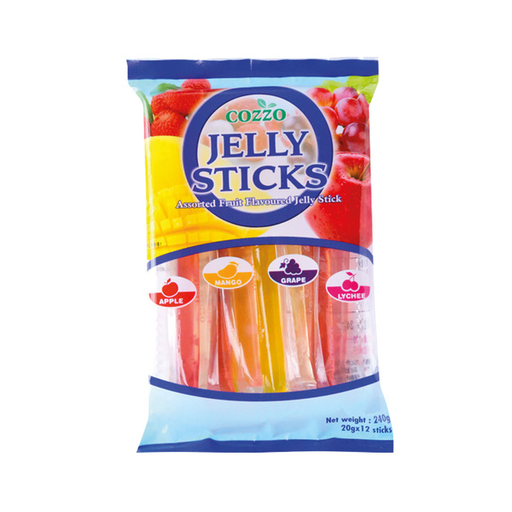
Why it suits this profile: The pack contains 12 individually wrapped sticks in mango, lychee, apple and grape flavours. It’s an easy way to try a range of fruit jelly snacks.
The flavours are clearly separated and the portions are individually wrapped. You don’t have to finish a large opened bag straight away.
240 grams in total, 12 sticks, four fruit flavours and 104 kcal per 100 grams according to the product information.
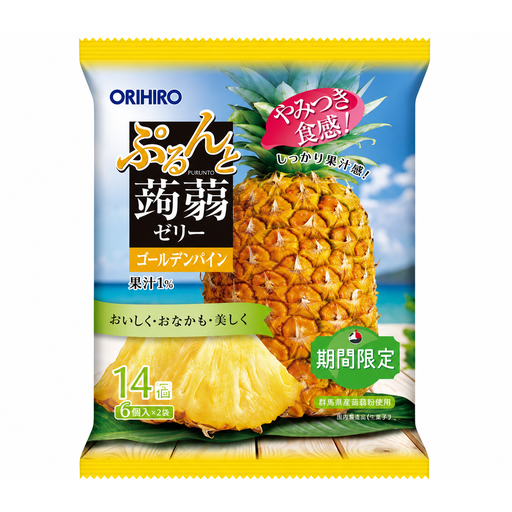
Why it suits this profile: This Japanese jelly is divided into six 20-gram portions and has a pineapple flavour. The small cups are ideal for a carefully presented dessert or snack.
The portion size is clearly stated, making it easy to gauge how much you’re having instead of dividing a large pack by eye.
6 portions, 120 grams in total and 14 kcal per 20-gram portion according to the product information.
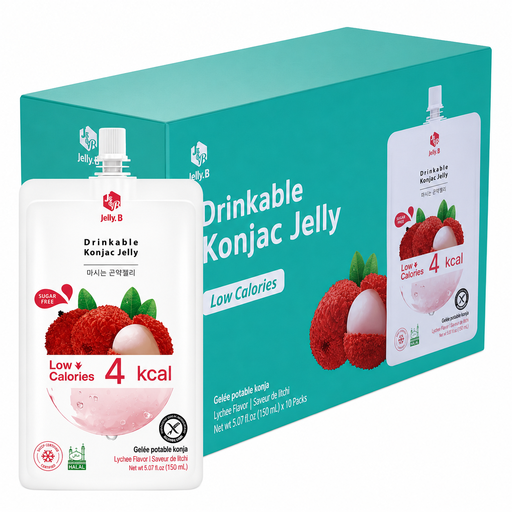
Why it suits this profile: This multipack contains ten Korean drinkable jelly pouches. It’s a good choice for households, offices or snack lovers who regularly want to take a portion with them.
The contents per pouch and the total quantity are clearly stated. This makes it easier to plan your supply than with loose, unspecified jelly sweets.
10 × 150 ml, lychee flavour and 3 kcal per 100 ml according to the product information. The ingredients list includes erythritol and konjac powder, among other ingredients.
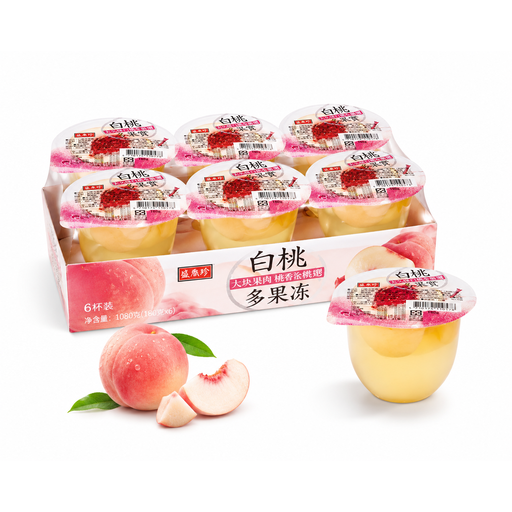
Why it suits this profile: This Taiwanese jelly comes as 6 individual cups of 180 grams and, according to the product description, contains pieces of white peach. It’s ideal for enjoying at home or sharing.
The fruit percentage and portion breakdown are included in the product information. This lets you decide in advance whether you’re looking for a dessert with fruit pieces or a smoother jelly.
6 cups, 1.08 kg in total, 8% white peach and 75 kcal per 100 grams according to the product information.
We’ve put together a complete, up-to-date list of products that fully meet these strict selection criteria and the applicable European safety regulations.
No. Konjac jelly uses konjac powder as part of its gelling structure and is often sold in drinkable pouches. Ordinary fruit jelly may contain more sugar and is usually available in cups, sticks or small dessert packs. The texture varies depending on the recipe and brand.
Store unopened products according to the label, usually in a cool, dry place away from direct sunlight. After opening, some jelly cups or pouches need to be consumed immediately, while others should be kept in the fridge. Always check the packaging and do not use a product if the seal is damaged.
Individually wrapped jelly sticks and drinkable pouches are practical when you’re out and about. They take up little space and don’t need to be divided up. A multipack such as Keumkang Jelly B Konjac Jelly Lychee 150mlx10 is convenient when you regularly take a snack with you. For enjoying dessert at home, jelly cups with fruit pulp, such as white peach, are the more natural choice.
