
Vandaag of morgen in huis

Kwaliteit gegarandeerd

Welkomstaanbiedingen ontgrendelen: GRATIS bezorging | Tot 80% korting | Gratis 30 dagen JoyPlus-proefperiode
Download de app
An Asian fruit jelly might seem simple at first glance: pick a flavour, add the size you want to your basket, and you're done. Yet these snacks vary considerably in sugar content, texture, portion size and packaging. A konjac jelly for on the go is quite different from a large box of jelly cups for the family.
The main pitfalls usually aren't about flavour, but about the information on the packaging.
Some jelly snacks are low in calories per portion, but still contain sugar. So don't just look for words like “light” or “low calorie” – check the nutritional information per 100 grams or 100 millilitres as well as per portion.
A portion of Orihiro Purunto Jelly Golden Pineapple contains 14 kcal per 20 grams according to the product information. A Yuki & Love Litchi Flavoured Jellies, on the other hand, contains 21 grams of sugar per 100 grams. Both products fall under fruit jelly, but they suit different snacking occasions.
Lychee, mango or grape flavour can come from juice concentrate, purée and flavouring. So always check the ingredients list. The SHENG XIANG ZHEN White Peach Jelly Cups, for example, state 8% white peach. With other products, the stated fruit content is lower, or flavouring is used instead.
“With fruit flavour” is therefore not the same as “made with lots of fruit”.
Jelly cups, jelly sticks and drinkable konjac jelly are easy to take with you, but the texture and shape require attention. Product information for some jelly cups includes a warning for children under three years old due to choking risk. Always read the instructions on the packaging and only let young children eat under supervision.
The shape determines how you'll use the snack:
Also pay attention to the closure. A pouch is compact, while a cup usually needs a spoon. For on the go, jelly sticks or a squeezable konjac jelly are often more practical.
If you want less sugar, look for a sugar-free jelly or a product with erythritol and sweeteners. Always check the full ingredients list. The Jelly B Konjac Jelly Mango contains, according to the product information, sucralose, acesulfame-K and erythritol. The nutritional information states 3 kcal per 100 ml and 0 grams of sugar per 100 ml.
That makes the product suitable for consumers who want to limit sugar, but it says nothing about personal dietary needs. A low-sugar snack is still a snack and doesn't replace a proper meal.
The label provides the most reliable information about:
The Jelly B Konjac Jelly Blueberry is listed in the product information as Halal certified and contains none of the 14 major EU allergens. The Lychee Pudding Nata de Coco, on the other hand, lists milk as an allergen. Check the packaging again upon receipt, as product information and labels can change.
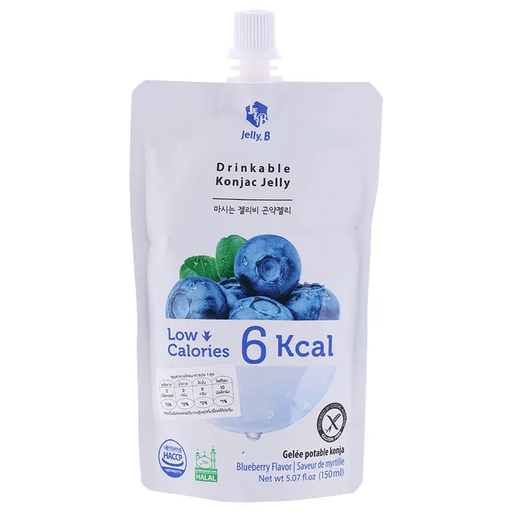
Why this suits the profile: A straightforward single-serving portion to try konjac jelly first, without buying a large multipack straight away.
The product information states 10 kcal per 150 ml serving and 2 grams of sugar. This lets you compare the portion directly with sweeter fruit jelly snacks.
150 ml pouch, blueberry flavour, Halal certified according to the product information and made in Korea.
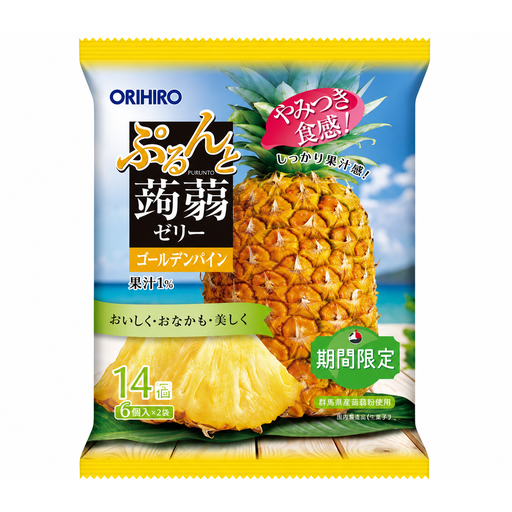
Why this suits the profile: Handy small portions with a Japanese konjac texture and clear portioning.
The nutritional information is given per 20 gram product. This means you can see straight away how much energy one individual portion contains.
Six portions, golden pineapple flavour and 14 kcal per 20 grams according to the product information.
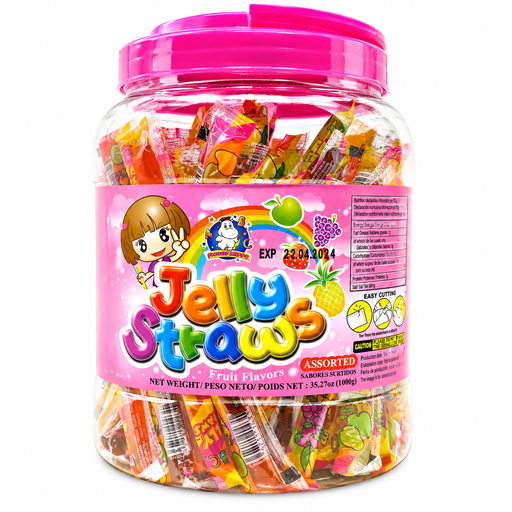
Why this suits the profile: A large bulk format for families, student houses, parties or anyone who often takes a jelly snack on the go.
The sticks are individually wrapped. This means you don't have to open a large package each time and you can easily divide portions.
1 kg total weight, various fruit flavours and 340 kcal per 100 grams according to the product information.
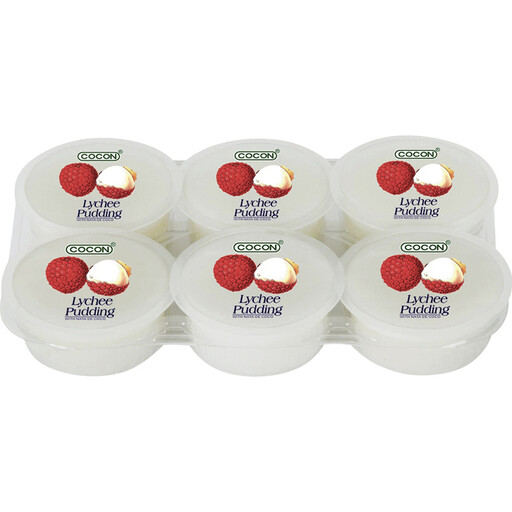
Why this suits the profile: A dessert pack with individual cups and spoons, ideal for sharing or for several occasions at home.
The packaging is divided into individual portions. Do check the stated milk allergy information before ordering.
Lychee flavour, nata de coco cubes, individual cups and 480 grams total weight.
We've put together a full, up-to-date list of products that fully meet these strict selection criteria and current European safety regulations.
No. Konjac jelly uses konjac powder as part of the jelly base and often has an elastic texture. Regular fruit jelly can be made with other gelling agents, such as carrageenan or pectin. Check the ingredients list if texture or nutritional values are important to you.
An individual pouch or individually wrapped stick is usually most practical for on the go. Examples include Jelly B Konjac Jelly Mango 150ml and ABC Jelly Fruit Jelly Sticks. Only take a jelly snack out of its packaging just before eating and store the product according to the instructions on the label.
The shelf life varies by product and is stated on the packaging. Unopened jelly is usually best stored in a cool, dry place away from direct sunlight. After opening, some products need to be refrigerated and consumed within the stated time. Always check that the packaging is intact before eating the jelly.
