
Vandaag of morgen in huis

Kwaliteit gegarandeerd

Welkomstaanbiedingen ontgrendelen: GRATIS bezorging | Tot 80% korting | Gratis 30 dagen JoyPlus-proefperiode
Download de app
Buying an Asian fruit drink may seem straightforward: choose attractive packaging, a familiar fruit flavour and a suitable size. Yet two cans containing, for example, mango, coconut or tamarind can differ considerably in ingredients, sweetness and texture. The product name does not always tell you how much fruit it contains.
Comparing products carefully helps you avoid these three common purchasing mistakes:
Below, you’ll find out which details on the label matter and which Asian fruit drink suits different occasions.
Start with the ingredients list. It is arranged by quantity, so the ingredients listed first are generally present in the greatest amounts. Look out for terms such as fruit juice from concentrate, fruit purée, fruit pulp and coconut extract.
A specific example is T.A.S. Tamarind Drink. According to the product information, this drink contains 30% tamarind pulp. Its flavour is described as sweet and slightly sour. This makes it an interesting choice for anyone looking for something different from a standard soft drink.
Other products place more emphasis on flavour or texture. According to the product information, Foco Roasted Coconut Juice contains 80% roasted coconut juice, as well as water, coconut meat and sugar. Sagiko Mango Juice lists mango purée, sugar, water and flavourings among its ingredients. So don’t just compare “mango” with “mango”; look at the full ingredients list.
A can or bottle may contain between 238 and 520 ml. That makes the nutritional value per 100 ml more useful than the value per pack. Pay particular attention to:
The figures tell you something about the composition, but not automatically about the flavour. A drink with more sugar will often taste sweeter, while tamarind or hawthorn can have a sweet-and-sour character.
For example, the product information for T.A.S. Tamarind Drink states 15.9 grams of sugar per 100 ml. Sagiko Soursop Juice states 11 grams of sugar per 100 ml. The difference becomes more significant when you drink a full can. If you have several cans with a meal, it is therefore worth taking the serving size into account.
For travelling or lunch, a can of around 238 to 345 ml is practical. A multipack makes more sense once you know which flavour you like. Also check:
Most of the drinks mentioned should be stored unopened in a cool, dry place, away from direct sunlight and high temperatures. According to the product information, they should be refrigerated after opening and consumed as soon as possible. The packaging remains the most reliable source, as labels and packaging information can change.
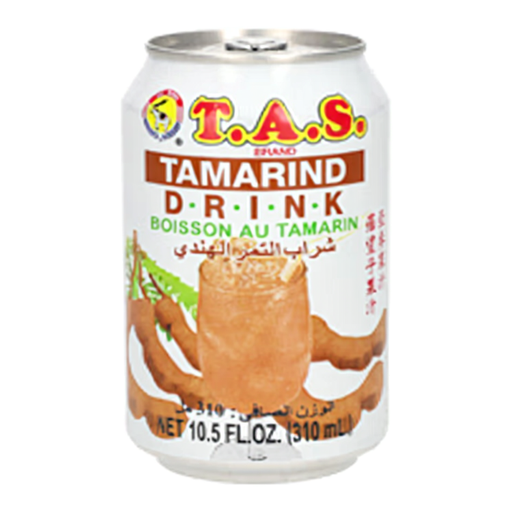
Why it suits this profile: A compact can for trying a sweet-and-sour tamarind flavour without committing to a multipack straight away.
The product information states that it contains 30% tamarind pulp and has a volume of 310 ml, so you can assess the fruit flavour and serving size in advance.
30% tamarind pulp according to the product details; 310 ml; free from the 14 main EU allergens according to the information provided.
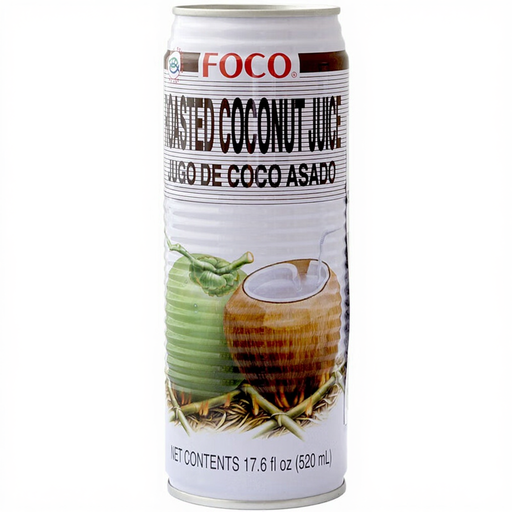
Why it suits this profile: For anyone looking for a larger serving and a clearly defined coconut base to enjoy with a meal or during a relaxed drink at home.
The ingredients list 80% roasted coconut juice as well as coconut meat. This makes it clearer which ingredients form the basis of the coconut drink.
520 ml volume; 80% roasted coconut juice according to the product information; coconut meat included in the ingredients list.
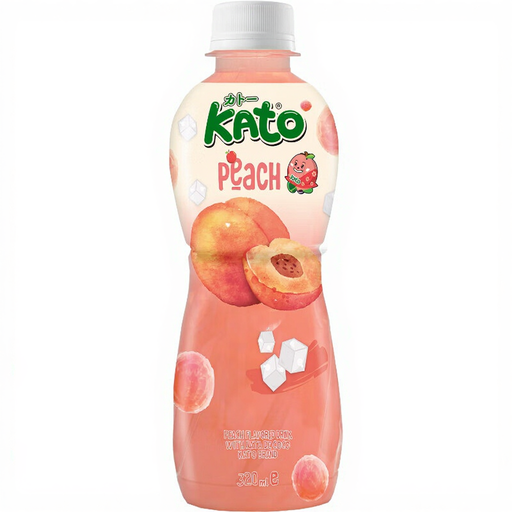
Why it suits this profile: For anyone who enjoys a noticeable bite in their drink, for example as an alternative to ordinary fruit juice with a snack or Asian meal.
The product description explicitly mentions nata de coco. You are therefore choosing a drink with extra texture, rather than being surprised when you open it.
320 ml volume; peach combined with nata de coco; free from the 14 main EU allergens according to the product information provided.
We’ve put together a complete, up-to-date list of products that fully meet these strict selection criteria and the applicable European safety regulations.
Besides tamarind, coconut and peach, there are several popular choices when buying Asian drinks:
For a family or a well-stocked cupboard, Oasis Tropical 6 x 330 ml can be a practical choice. According to the product information, this tropical fruit drink combines orange, apple, mango and passion fruit, among other ingredients. If you’re looking for a carbonated exotic soft drink, check the ingredients and sweeteners in Calypso Blood Orange Breeze before ordering the multipack.
No. The name may refer to juice, nectar, a fruit drink or a fruit-flavoured soft drink. Check the fruit content, ingredients list and nutritional values per 100 ml. A product with “juice” in its name does not necessarily contain 100% juice.
Store an opened drink in the fridge and consume it as soon as possible, following the instructions on the packaging. Store unopened cans and bottles in a cool, dry place, away from direct sunlight and high temperatures. Always check the shelf-life information on the physical label.
A single can of 238 to 345 ml is handy if you want to try a flavour first. Choose tamarind for a sweet-and-sour taste, mango or guava for a familiar tropical fruit profile, and KATO Peach Juice with Nata de Coco if you also enjoy texture in your drink.
