
Vandaag of morgen in huis

Kwaliteit gegarandeerd

Welkomstaanbiedingen ontgrendelen: GRATIS bezorging | Tot 80% korting | Gratis 30 dagen JoyPlus-proefperiode
Download de app
Buying an Asian fruit drink online might seem straightforward, until you have to choose between lychee, mango, passion fruit, guava, coconut water and drinks with pieces of fruit jelly. Product photos and tropical names don’t always tell you how much fruit juice is inside, how much sugar the drink contains or how big the packaging actually is.
Pay particular attention to three common pitfalls:
A lychee drink can contain lychee purée, lychee juice, concentrate or just flavouring. The order of ingredients is practically important: what comes first is usually present in the largest amount. Also check whether it’s a fruit juice, nectar or flavoured soft drink.
For example: Iam Superjuice states 30% fruit juice for several flavours. The mango, passion fruit, pink guava and lychee variants are offered with no added sugar according to the product information. That doesn’t automatically mean the drink is sugar-free: natural sugars from fruit can still appear in the nutrition table.
If you pay attention to that, you can also look for a fruit drink with no added sugar. Always compare the full label, not just the front of the can or packaging.
Packaging varies a lot. A 330 ml can, a 500 ml bottle and a 12-pack multipack aren’t directly comparable. Use the values per 100 ml as your standard measure.
The range includes:
These values can vary by recipe, market and packaging. So always check the label on the packaging you’re buying before you purchase.
A standard Asian soft drink usually has a smooth texture. A nata de coco drink contains soft, chewy pieces of coconut jelly. Mogu Mogu is known for that combination of fruit flavour and nata de coco pieces. The Mogu Mogu variants in the range include lychee, melon, pineapple and coconut.
A boba drink works differently. With O’s Bubble Drinks Popp. Boba, you get popping pearls that release their fruity flavour when you bite into them, according to the product description. The twin-pack combines lychee and mango in two 480 ml cups. Shaking, inserting a straw and drinking is all that’s needed, according to the product information.
Also pay attention to the opening: jelly and boba drinks often come with a wider straw. For children and anyone who finds chewy pieces difficult, it’s sensible to drink slowly and supervise.
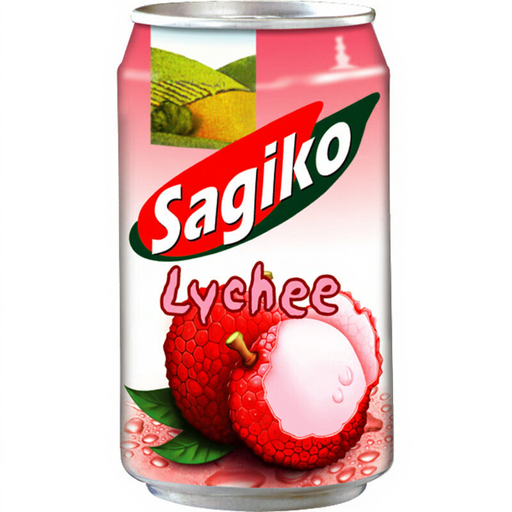
Why this fits the profile: A single 320 ml format is practical for trying a lychee drink first without buying a large multipack straight away.
The product information lists ingredients and nutritional values per 100 ml, so you don’t have to rely on the lychee flavour alone.
320 ml per pack, lychee purée in the ingredients list and, according to the product information, none of the 14 major EU allergens.

Why this fits the profile: The tray of 12 cans is ideal for households, parties and enthusiasts who want to serve a tropical drink regularly.
The packaging states 30% natural passion fruit and no added sugar. Check the current product packaging for the full composition.
12 cans of 330 ml, according to the product information 17 kcal per 100 ml and suitable for serving chilled.
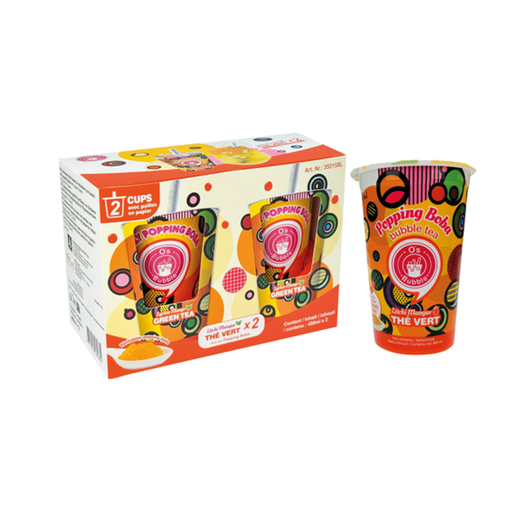
Why this fits the profile: The two cups are designed for boba lovers, for a party or for anyone who wants to compare lychee and mango side by side.
The packaging clearly states it contains popping boba. So you know you’re getting a drink with pearls, not a smooth mango or lychee drink.
Twin-pack with two flavours, 480 ml per cup and, according to the product description, ready to drink with no preparation needed.
We’ve put together a full, up-to-date list of products that fully meet these strict selection criteria and comply with current European safety regulations.
For a soft, fruity taste, mango drink, guava drink and lychee drink are accessible choices. Passion fruit has a sweet-sour flavour according to the product description. Soursop, also known as guanabana, is described as fruity with subtle notes reminiscent of strawberry, pineapple and citrus.
If you’re after something lighter, consider coconut water with lychee. FOCO contains 5% lychee juice according to the product information and comes in a 500 ml format. An aloe vera drink like OKF Lychee contains pieces of aloe vera. With such products, always check the texture and ingredients, because “with fruit” can mean juice, pulp or gel.
For home use, trays of 12 cans are handy, but only if you already know the flavour. A single can or a small multipack is more suitable when you want to try different flavours. For catering, an office or a party, a fruit juice can or tray per portion can be more practical than a large bottle.
No. A fruit drink can contain water, fruit juice, purée, concentrate, sugar, sweeteners and flavourings. So check the product category and the fruit percentage. The term “fruit drink” alone doesn’t tell you how much fruit is in it.
Always follow the packaging. Many products need to be refrigerated after opening and consumed within a few days. Unopened drinks are usually best stored in a cool, dry place away from direct sunlight. Also check the best-before date and don’t use a product if the seal is damaged.
That depends on the price per litre, delivery costs and how much you’ll actually use. Calculate the total price divided by the number of millilitres. A multipack is practical for stocking up and sharing, but a single pack prevents waste if you’re not yet sure about a flavour.
