
Vandaag of morgen in huis

Kwaliteit gegarandeerd

Welkomstaanbiedingen ontgrendelen: GRATIS bezorging | Tot 80% korting | Gratis 30 dagen JoyPlus-proefperiode
Download de app
Buying an exotic fruit drink seems straightforward, until you have to choose between mango, guava, lychee, soursop, passion fruit or nata de coco. Product names and colourful packaging don’t always tell you how much fruit a drink actually contains, how much sugar it has or how many cans you’ll receive.
Use these practical checks to avoid disappointing purchases and find an Asian fruit juice or tropical fruit drink that suits your taste, household and occasion.
A name such as mango juice or guava juice may refer to a fruit drink, nectar or juice drink. So check the ingredients list and the percentage of fruit juice or purée. For example, the product information for Maaza Guava lists 16% guava juice from concentrate. According to its product specifications, Sagiko Mango Juice contains mango purée, but the exact proportion is not the same as 100% juice.
If you’re looking for a pronounced fruit flavour, compare the fruit content rather than relying on the front of the label alone.
A sugar-free fruit drink may contain sweeteners, while “no added sugar” means that, according to the product information, no sugar has been added to the recipe. Always check:
For example, Wicky Mango lists less than 0.1 grams of sugar and 1 kcal per 100 ml, with sweeteners in the ingredients list. Iam Superjuice Passionfruit states that it contains no added sugar and provides 17 kcal per 100 ml. These are product specifications; check the packaging when your order arrives for the latest information.
A box of 12 or 24 packs is handy for a party, office or cupboard, but less suitable if you want to try a flavour first. Look out for the difference between:
Also check whether the pack contains cans or plastic bottles. This affects storage, weight and how easy they are to take with you.
First, choose the kind of flavour you’re looking for:
Brand descriptions of flavour aren’t definitive facts. For example, the product descriptions from the brands concerned describe a tropical or fruity flavour profile. If you experience the flavour differently, that’s perfectly normal: taste is personal.
A fruit drink with nata de coco contains pieces of coconut jelly. This adds a chewy texture alongside the liquid. When buying, check:
KATO product information lists 15% nata de coco in several drinks. Mogu Mogu Watermelon also lists 15%. The texture makes these drinks interesting if you enjoy something between a drink and a snack, but less suitable if you’re looking for a completely smooth drink.
Always compare nutritional values per 100 ml, not just per pack. A 330 ml can contains around three times the amount shown on the label per 100 ml. Also look out for:
Maaza Lychee’s product information states that it contains none of the 14 major EU allergens. Other products may have different ingredients. So always read the physical label, especially if you have a food allergy or intolerance.
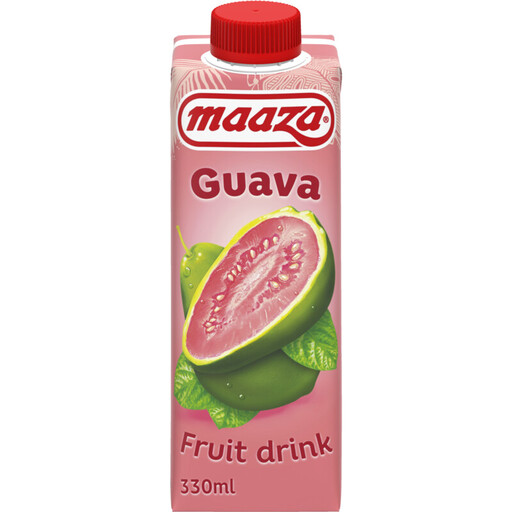
Why it suits this shopper: A single 330 ml pack is a handy way to try a tropical guava flavour without buying a large multipack straight away.
The product information lists 16% guava juice from concentrate and provides nutritional values per 100 ml, so you don’t have to rely on the name alone.
330 ml per pack; 29 kcal and 6.9 g of sugar per 100 ml according to the stated nutritional information.
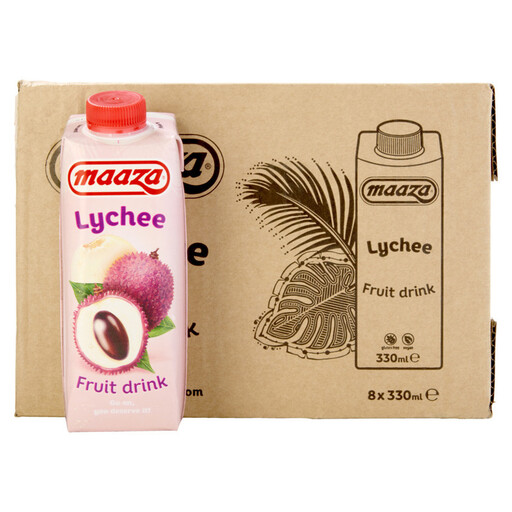
Why it suits this shopper: Ideal if you want to keep a supply of familiar lychee drink at home, for guests or to enjoy with an Asian meal.
The pack clearly contains eight 330 ml cans, and the allergen information is clearly included in the product details.
Multipack of 8 × 330 ml; store unopened in a cool place, away from direct sunlight.
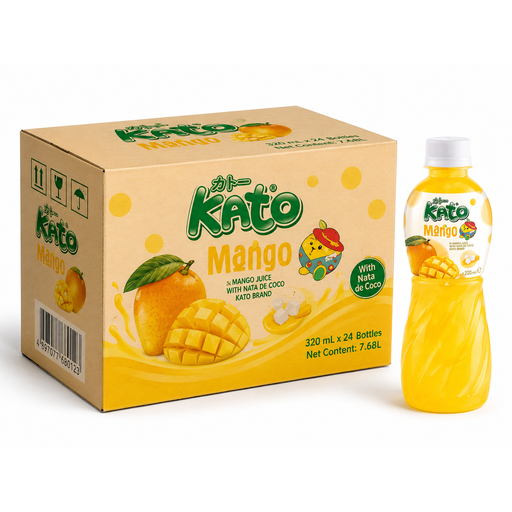
Why it suits this shopper: A box of 24 bottles is a good fit for households, events and anyone who regularly serves drinks with pieces of nata de coco.
The pack size is clear upfront: 24 bottles of 320 ml. The ingredients list includes nata de coco, mango concentrate, sugar and sweeteners.
320 ml per bottle; 49 kcal and 11.2 g of sugar per 100 ml according to the nutritional information provided; nata de coco adds extra texture.
A canned fruit drink is handy for taking with you, having with lunch or serving at a party where you don’t want to use glasses. Bottles are often practical if you want to keep the drink chilled at home or reseal it. For your first purchase, a single bottle or a pack of six makes more sense. If you already know which flavour you like, a box of 12 or 24 packs can help reduce the number of separate orders you need to place.
Store unopened drinks according to the instructions on the label, away from direct sunlight and heat. Once opened, drinks should generally be kept chilled and used within the stated period.
We’ve put together a complete, up-to-date list of products that meet these strict selection criteria and the applicable European safety regulations.
KATO Mango, KATO Watermelon, KATO Honeydew, KATO Strawberry, KATO Coconut and Mogu Mogu Watermelon are listed in the product information as drinks containing nata de coco. Check the stated percentage and ingredients on the packaging for each variant.
No. The amount varies considerably from one product to another. Some standard drinks contain around 10 to 13 grams of sugar per 100 ml, while Wicky Mango contains less than 0.1 grams of sugar according to its product specifications. Iam Superjuice Passionfruit also states that it contains no added sugar. Always compare the nutritional information per 100 ml.
Follow the instructions on the packaging. Several products state that the drink should be kept chilled after opening and consumed within the stated period. The exact storage time after opening may vary by brand and packaging.
