
Vandaag of morgen in huis

Kwaliteit gegarandeerd

Welkomstaanbiedingen ontgrendelen: GRATIS bezorging | Tot 80% korting | Gratis 30 dagen JoyPlus-proefperiode
Download de app
An Asian fruit drink with nata de coco combines a sweet fruit flavour with soft, chewy pieces of coconut jelly. This makes it different from ordinary fizzy drinks or fruit juice. Yet the range isn't always easy to compare. Products can look similar, while flavour, ingredients, nutritional values and pack sizes can vary considerably.
Pay particular attention to these three common pitfalls:
Nata de coco is made from gelled coconut liquid and gives the drink a soft, chewy texture. The percentage isn't always stated in the same way on every product. For various KATO and Mogu Mogu products, for example, around 15% nata de coco is mentioned. On other variants, only "nata de coco" appears in the ingredients list.
If you want to taste clear pieces of coconut jelly, look for:
A mango drink with nata de coco can have a pronounced mango flavour, but may also contain a combination of water, sugar, fruit juice concentrate and mango flavouring. For KATO Mango Juice with Nata de Coco, the product information mentions mango juice concentrate and mango flavouring among other things. For KATO Peach Juice with Nata de Coco, white grape juice and peach flavouring are listed.
That doesn't mean the drink has no fruit flavour. It does help to keep realistic expectations. If you're after a softer, floral taste, you could choose a lychee drink. For a fresher tropical direction, mango, melon, pineapple or watermelon are logical options.
Most of the products mentioned have a content of 320 ml per bottle. That's a convenient size for on the go, with lunch or as part of an Asian meal.
The packaging choice depends on how you'll use it:
With a multipack, pay attention to the total storage space and the best-before date. Store unopened bottles according to the label, preferably in a cool place away from direct sunlight. Once opened, the bottle should generally be kept refrigerated and consumed within the stated period.
The choices below are based on verifiable product data such as flavour, content, pack size and listed ingredients. Product packaging can change. Therefore, always check the current label on the product page and on the bottle before purchasing.
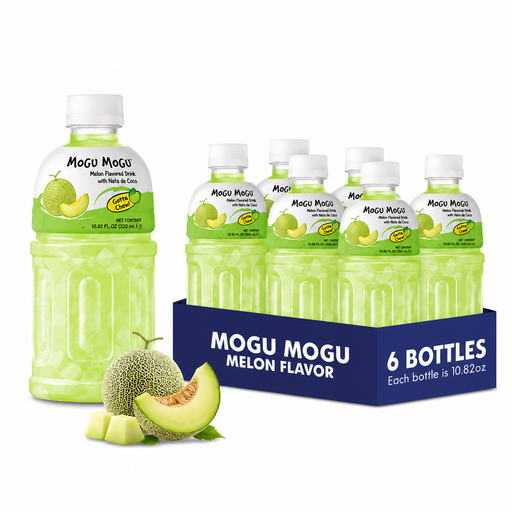
Why this fits the profile: A 6-pack keeps the purchase manageable and offers several bottles to try the chewy texture and melon flavour for yourself.
The product information states 320 ml per bottle, 6 bottles per pack and 15% nata de coco. This makes the content clear upfront.
Melon flavour, chewy nata de coco and a 6-pack. According to the product information, the drink contains 49 kcal and 11 grams of sugar per 100 ml.
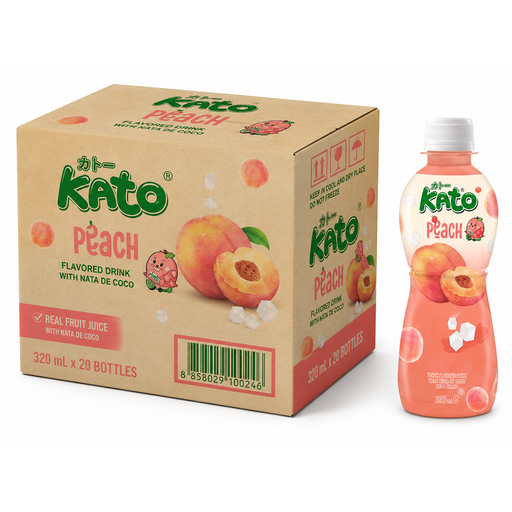
Why this fits the profile: Peach lovers who want a steady supply get 24 individual 320 ml bottles for home, office or catering.
The product description mentions white grape juice, peach flavouring and 20% nata de coco. This allows you to compare the flavour expectation and texture more easily against other variants.
24 bottles of 320 ml, peach flavour and a clearly stated percentage of nata de coco. Store the bottles in a cool, dry place according to the product information.
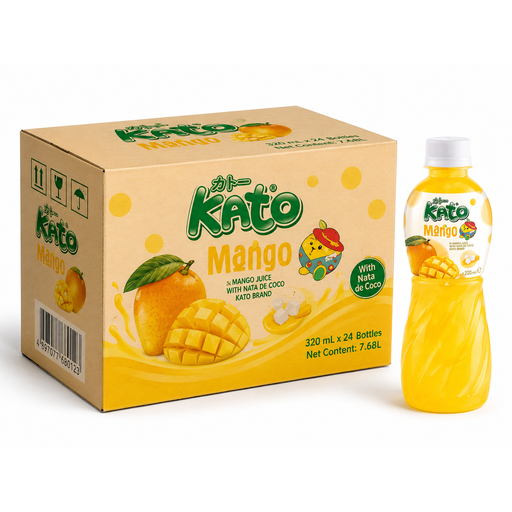
Why this fits the profile: A large supply suits parties, events, canteens and catering use where individual portions need to be available quickly.
The pack unit and bottle size are clearly stated. This allows you to estimate the total number of portions upfront rather than relying solely on the product name.
24 bottles of 320 ml and a mango flavour with nata de coco. The product information states 49 kcal and 11.2 grams of sugar per 100 ml.
If you don't immediately go for mango or peach, you could also look at:
When comparing products from different brands, don't just look at the price per bottle, but also the price per litre, the number of bottles and the stated sugar content. This way, you avoid a bottle that looks cheap actually working out more expensive than a multipack.
We've put together a full, up-to-date list of products that fully meet these strict selection criteria and comply with current European safety regulations.
No. Nata de coco is a gelled preparation made from coconut water or coconut liquid. The cubes give a chewy bite, but are not the same as pieces of fresh coconut flesh. Check the ingredients list if you are sensitive to coconut or certain additives.
Store unopened bottles according to the instructions on the packaging, usually in a cool, dry place away from direct sunlight. Once opened, the bottle should generally be kept in the fridge. Close the lid tightly and consume the contents within the period stated on the label.
That depends on the price per bottle, delivery costs and the amount you actually use. Divide the total price by 24 and compare that result with a single bottle or a 6-pack drink bundle. For a party, office or catering, a 24-pack can be practical; for a first try, a smaller pack is often more flexible.
