
Vandaag of morgen in huis

Kwaliteit gegarandeerd

Welkomstaanbiedingen ontgrendelen: GRATIS bezorging | Tot 80% korting | Gratis 30 dagen JoyPlus-proefperiode
Download de app
Buying an Asian fruit drink seems straightforward – until you’re standing in front of a shelf full of lychee drink, mango drink, peach drink, guava drink and nata de coco drink. Products can look very similar, yet the contents, packaging and nutritional values can vary considerably.
Watch out for three common pitfalls:
With the right checks, you can compare an Asian soft drink or exotic fruit drink based on facts rather than just the packaging.
First, look at the quantitative ingredient declaration. This sometimes shows a percentage for, say, peach pulp, mango purée or guava juice. The higher the stated proportion, the clearer it is how much of that ingredient is in the drink. This doesn’t automatically tell you about taste preference, but it does help you tell fruit juice apart from flavoured fruit drink.
Examples from the range:
When buying online, always check the current product image and ingredients list. Labels can vary by pack or sales region.
A drink that’s low in fat isn’t automatically low in sugar. Look at the nutritional information per 100 ml and scale it up to the whole bottle or can. A 320 ml bottle contains over three times the value shown per 100 ml on the label.
Keep an eye out for terms like:
Mogu Mogu Lychee, for example, is sold as a lychee drink with nata de coco. The product information states around 47–54 kcal and 11–13 grams of sugar per 100 ml. Senpure Meco Peach Pomelo, according to the information provided, contains sweeteners and around 0.3 grams of sugar per 100 ml. These are different types of drink: one is more about sweet fruit flavour and texture, the other about a lighter sweet experience.
A 1-litre bottle is practical for a meal or for several people. Once opened, it usually needs to be refrigerated and used within the time stated on the pack. Small bottles and cans are easier to serve in individual portions, for example at a party or with lunch.
Also check:
For consumers in the UK, a verifiable EU label is important. The presence of a European responsible party helps with product information and consumer rights, but it doesn’t replace reading the label.
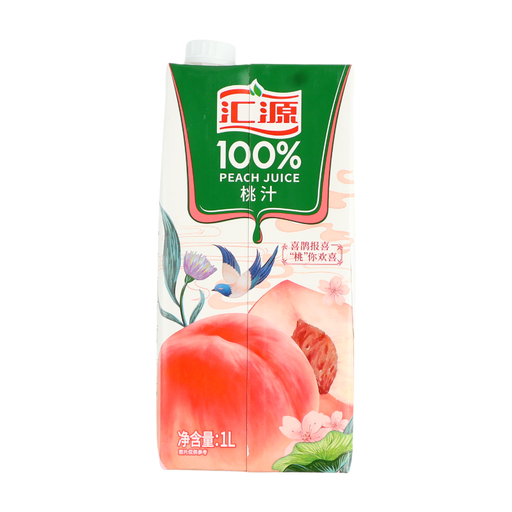
Why this fits the profile: The 1-litre bottle is ideal for home use, with a meal or when several people want to try the same peach flavour.
The product information mentions peach pulp and concentrated peach juice, so you’re not relying solely on a fruit flavour. Do check the label on the pack you receive before buying.
1 litre volume; ready-to-drink; according to the product data, 43 kcal per 100 ml and 10 grams of sugar per 100 ml.
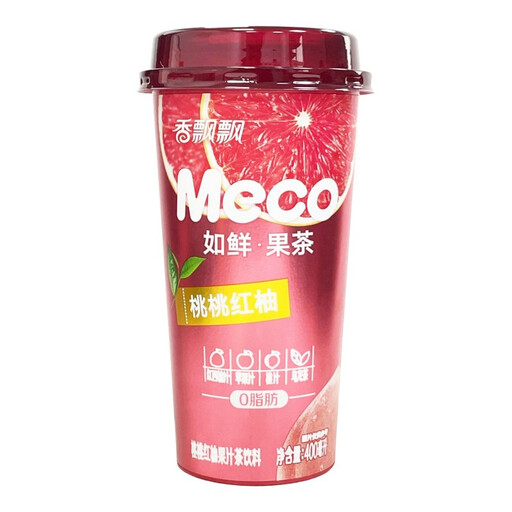
Why this fits the profile: This combination of peach, red grapefruit and oolong tea suits anyone looking for a fruit drink with a tea base and multiple layers of flavour.
The ingredients list states the percentages of the fruit juice concentrates and the presence of sweeteners. This means you can check the composition before you order.
400 ml portion; 15.5% peach juice concentrate; oolong tea and red grapefruit as recognisable ingredients.
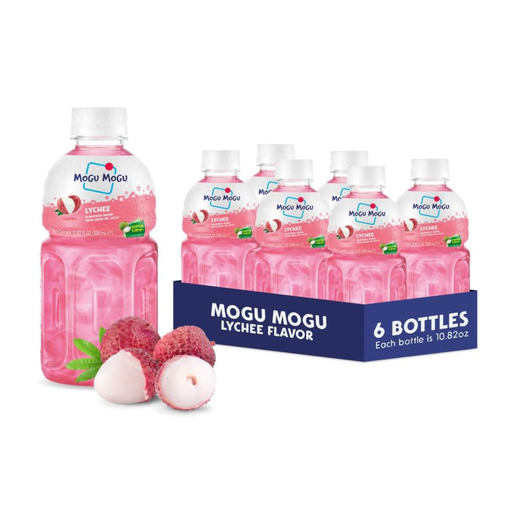
Why this fits the profile: The six portions are handy for parties, lunchboxes or households where several people want to try a different texture.
The nata de coco pieces are central to the product description. So you’re not just buying an ordinary lychee drink, but a drink with added texture. For children, check the current labelling and serving size.
Six bottles of 320 ml; nata de coco; lychee flavour; best served chilled according to the product information.
We’ve put together a full, up-to-date list of products that fully meet these strict selection criteria and comply with current European safety regulations.
Fruit juice, by product category, consists of juice, possibly from concentrate. A fruit drink can also contain water, sugar, flavourings, acids, sweeteners or a smaller proportion of purée. So always read the ingredients list and the fruit percentage.
A multipack with small portions is usually the most practical. Mogu Mogu Lychee comes as six bottles of 320 ml. For larger groups, a 1-litre bottle like Huiyuan Peach Juice may be more convenient. Serve chilled and follow the storage instructions after opening.
Follow the instructions on the label. Many opened fruit drinks need to be refrigerated and consumed within a few days. Seal the bottle tightly and check the best-before date, smell, colour and packaging before use.
