
Vandaag of morgen in huis

Kwaliteit gegarandeerd

Welkomstaanbiedingen ontgrendelen: GRATIS bezorging | Tot 80% korting | Gratis 30 dagen JoyPlus-proefperiode
Download de app
Asian frozen snacks are a handy option for a quick meal, a drinks party or an evening of hotpot. You keep them in the freezer and usually only need a pan, a steamer basket, an oven or an air fryer. However, Chinese frozen snacks, Japanese gyoza and Korean bites differ greatly in ingredients, preparation and portion size.
If you only go by an attractive packet or the lowest price, you could be in for a few surprises. Think portions that are too small, a cooking time that takes longer than expected, or allergens that don’t suit your household. With the following checks, you can make a more informed choice from the range of frozen Asian bites.
A 500 g bag may look generous, but the number of pieces and the proportion of filling determine how many people it will feed. A product with a lot of dough or starch can turn out quite differently from one with a high proportion of meat, fish or vegetables.
So check:
With gyoza, dumplings and siu mai, the portion is often suitable as part of a meal with rice, vegetables or soup. For a drinks party, you can combine several flavours.
Many ready-to-cook Asian snacks still need to be fully heated through. A product may go straight from the freezer into the pan or steamer, but that doesn’t mean you can eat it raw.
Pay attention to the cooking method:
Follow the instructions on the packet and check that the filling is piping hot all the way through. With products containing meat, fish or shellfish, thorough cooking is especially important.
Wheat, soya, sesame, egg, fish, shellfish and molluscs are common in dim sum and hotpot ingredients. Sauces, broth mixes and dough can also contain allergens.
Read the full ingredients list before you buy. Don’t just look at the main filling: with gyoza, for example, soya sauce may be in the filling, while with siu mai the dough contains wheat. Fish and seafood balls may also list egg, molluscs or shellfish.
Most products in this category must be stored at -18 °C or below. Put frozen products into your freezer as soon as possible after delivery. According to the product information, a product that has been thawed must not be refrozen.
When your delivery arrives, check:
If you have several products in one order, a well-organised freezer is useful: put snacks you want to use soon at the front, and keep raw meat and fish products separate from ready-prepared side dishes.
The cooking method affects texture and ease of use. Frozen dim sum such as siu mai and bao buns usually keeps a soft texture when steamed. Gyoza gets a crispy bottom when pan-fried, while boiling is suitable for wontons and hotpot products.
Look out for terms like:
For example, the Sijia Kitchen Pork Rou Jia Mo contains 40% pork according to the product information and must be heated to above 70 °C. The stated times vary depending on whether you use a microwave, oven, air fryer or pan.
Compare the nutrition label per 100 g. This makes it easier to see the difference between products with varying weights. Look at energy, fat, carbohydrates, protein and salt, but also at the order of ingredients.
A higher percentage of meat or fish doesn’t automatically make it better, but it does make clear what you’re buying. The Oriental Kitchen Beef Meatballs, for example, state at least 80% beef. The FRESHASIA Wan Jiang Mixed Fish Ball states 70% fish surimi. These percentages are verifiable data from the product information and help you compare.
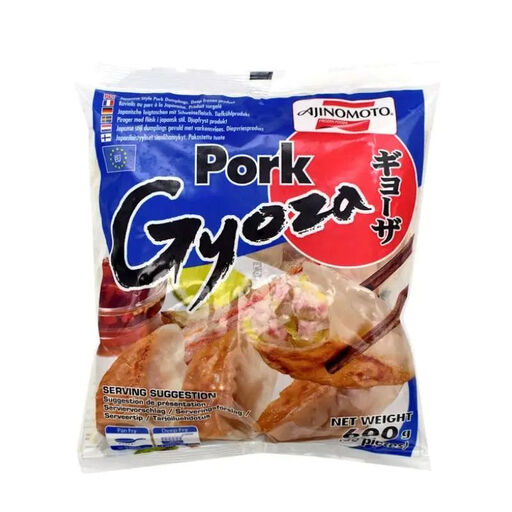
Why this fits the profile: A pack of 30 pieces is practical for trying gyoza at home or serving them with a meal of rice and vegetables. The gyoza can be cooked from frozen according to the instructions on the packet.
The number of pieces and the cooking method are clearly stated. Do check the allergens: the product information lists gluten, wheat and soya.
30 pieces per pack; filling with vegetables and 19% pork according to the product information.
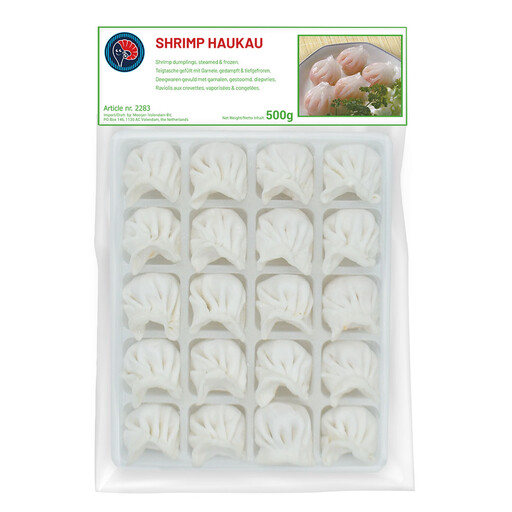
Why this fits the profile: This Ha Kau is ideal for a dim sum evening where steaming is the star. The pack contains 500 g and the product information states 25% prawns and a steaming time of 8 to 10 minutes from frozen.
The cooking method is clearly described. Be aware of the listed allergens: crustaceans, fish, gluten, sesame and soya.
500 g per pack; suitable for steaming; prawns and bamboo shoots are listed in the ingredients.

Why this fits the profile: The four types of balls are intended for hotpot, soup or stir-fry dishes. You can add them straight from frozen into boiling water or broth.
The packaging makes the variety clear: Fuzhou fish balls, pork balls, squid rolls and beef balls. Check the full allergen list beforehand.
500 g; four varieties in one pack; 5 to 7 minutes cooking time according to the product information.

Why this fits the profile: This steamed bao bun with custard filling is perfect for breakfast, dessert or a sweet snack. The buns are steamed from frozen for 10 to 12 minutes.
The cooking method and storage temperature are stated. Be aware of the allergens: wheat, egg, soya and milk.
360 g; steam from frozen; sweet custard filling.
We’ve put together a full, up-to-date list of products that fully meet these strict selection criteria and comply with current European safety regulations.
That depends on the product. Many gyoza, fish balls, bao buns and siu mai can be cooked straight from the freezer. Use the method and time given on the packet. Thawing when it isn’t necessary can affect the texture of the dough or filling.
Store them at -18 °C or below until the stated best-before date. The exact date is on the packet. After thawing, you must keep the product refrigerated according to the instructions and not refreeze it.
Fish balls, beef balls, filled meatballs and thinly sliced hotpot beef are practical choices. Add them to a boiling broth and let them cook through completely. Check which allergens are present beforehand and use separate tongs if you are cooking different ingredients.
