
Vandaag of morgen in huis

Kwaliteit gegarandeerd

Welkomstaanbiedingen ontgrendelen: GRATIS bezorging | Tot 80% korting | Gratis 30 dagen JoyPlus-proefperiode
Download de app
Asian frozen snacks are a handy option for a quick meal, a drinks party or a dessert at home. However, packs vary widely in content, cooking method and allergen information. A striking photo or a claim like “traditional” doesn’t always tell you exactly what you’re buying.
With this guide, you can compare frozen gyoza, taro balls, hotpot meatballs, mini spring rolls and other snacks for the airfryer. That way, you choose based on verifiable product information rather than just the packaging and marketing.
A 1.5 kg box might look appealing, but it won’t suit every household. First, check:
A multipack, such as Khy Chicken Gyoza – 3 x 500 g, is particularly practical if you eat chicken gyoza regularly or cook for several people. For a first try, a 500 g or 600 g pack may be more sensible.
Not every snack is suitable for the same preparation. Gyoza can be steamed, pan-fried or deep-fried, while some desserts need to be boiled in water first. So check whether the product works with your appliance and kitchen routine.
A product that says “oven only” on the pack isn’t automatically suitable for the airfryer. Always follow the instructions on the packaging and don’t simply adjust the time and temperature.
Many Japanese dumplings contain wheat, soya or sesame. Hotpot products may also include fish, shellfish, egg and gluten. Read the current ingredients list before you buy. Product information online can change; the packaging is what counts.
Also watch out for conflicting or unclear information. If you’re unsure about an allergy, it’s best not to use the product until the manufacturer or seller provides clarity.
Choose a product that suits the equipment you have:
Khy Chicken Gyoza can be pan-fried, deep-fried or steamed from frozen, according to the product information. For the pan, the instructions mention 2 minutes of frying, then 2 minutes of covered cooking, followed by about 1 minute of dry-frying. The exact instructions on the pack remain the final guide.
Don’t just compare the name “gyoza”. A chicken variety may contain cabbage, onion, soya protein and wheat as well as chicken. Ajinomoto Gyoza Pork Dumplings contain, according to the product information, vegetables, 19% pork, wheat flour and soya. That makes them a clear choice if you’re looking for pork gyoza, but less suitable if you have a soya or gluten allergy.
With hotpot products, the variation is greater. The Meng Fu Hot Pot Meatballs mix contains Fuzhou fish balls, stuffed pork balls, squid rolls and beef balls. According to the product information, fish, shellfish, egg, soya, wheat and sesame are present as allergens.
Think ahead about what you need it for:
The cooking time, number of pieces and equipment needed ultimately determine how practical a product is.
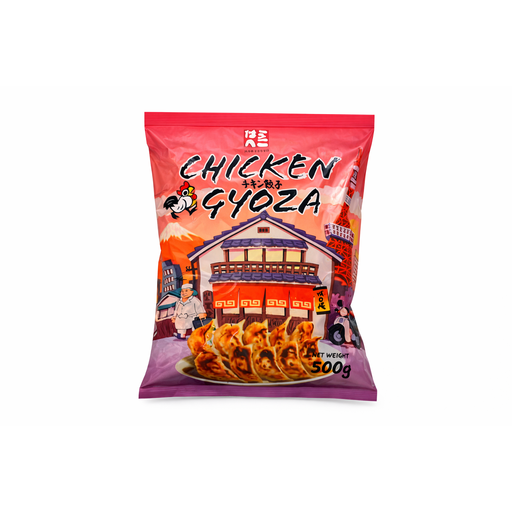
Why this fits the profile: A straightforward pack to try chicken gyoza without ordering a multipack straight away. The gyoza can be cooked from frozen in a pan, deep fryer or steamer.
The weight is clearly stated and the cooking options are described in detail. Do check the current packaging for allergens such as wheat and soya.
500 g; chicken and vegetable filling; cook in a pan, deep fryer or steamer.
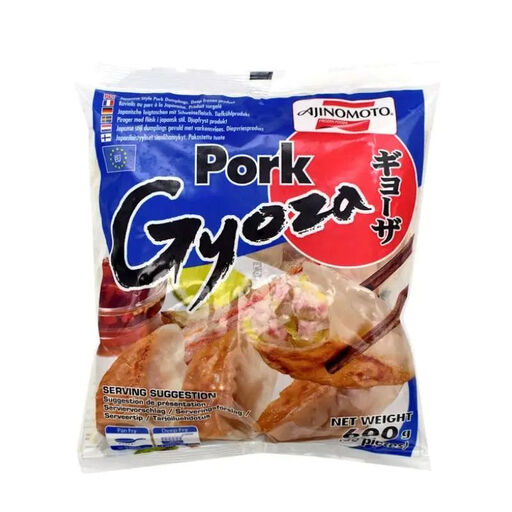
Why this fits the profile: This pack contains 30 Japanese dumplings with vegetables and pork. That suits eaters who want to divide portions across several meals.
The number of pieces is clear upfront, so you can plan better than with a product that only states a total weight.
30 pieces; 19% pork according to the product information; suitable for several cooking methods.

Why this fits the profile: A mix with four types of balls for hotpot, soup or stir-fries. Handy if you want to serve different textures and flavours in one meal.
The composition is broken down by type. So you can see upfront that the product may contain fish, shellfish, pork and beef.
Four varieties in one bag; 500 g; cook straight from the freezer for 5–7 minutes according to the product information.
For a party, mini spring rolls, cheese sticks and a mixed snack box are practical. The Mora O&A Megamix contains, according to the product information, bitterballen, mini frikandellen, chicken bites and bami snacks. The box is intended for cooking in the oven or airfryer. With mixed products, check the allergens extra carefully, because different recipes are packed together.
If you fancy something other than savoury snacks, you could choose Taiwanese desserts. The Fresh ASIA Three-Color Taro Balls are available in 200 g and 500 g and contain purple sweet potato, sweet potato and taro. They need to be boiled first; once they float to the surface, a short cooking time follows. Serve them, for example, in a sweet soup, tofu pudding or with shaved ice.
China Town Glutinous Rice Ball Coconut is another dessert option. These glutinous rice balls with coconut filling are ready, according to the product information, when they float to the surface and have been boiled for a further 1 to 2 minutes.
We’ve put together a full, up-to-date list of products that fully meet these strict selection criteria and comply with current European safety regulations.
That varies by product. Mora O&A Megamix, Topking Cheese Sticks and Rengi Korean Chicken Corndog Potato are mentioned in the product information for oven and/or airfryer. Always check the temperature, cooking time and maximum quantity on the packaging. Don’t place snacks too close together; that can affect the cooking.
Store them at the stated temperature, usually -18 °C or lower, and check the date on the packaging. After defrosting, keep the product chilled and use it within the stated period. Refreezing is not recommended for these products. A consistent freezer temperature helps limit quality loss from repeated thawing.
Start with a 200–600 g pack if you don’t know a product yet. For a party, a larger box or multipack may be more practical. Compare the number of pieces, the weight, the cooking method and the allergens before you order. That way, you won’t pay for a quantity that ends up unused in your freezer.
