
Vandaag of morgen in huis

Kwaliteit gegarandeerd

Welkomstaanbiedingen ontgrendelen: GRATIS bezorging | Tot 80% korting | Gratis 30 dagen JoyPlus-proefperiode
Download de app
Fancy some Chinese street food but don’t have time to make dough or spend hours cooking? With Asian frozen snacks, you can have a meal or snack ready in no time. Think of a Chinese hamburger, Roujiamo, bao and flatbread, Taiwanese sausage and other frozen burgers.
However, an attractive product photo doesn’t tell the whole story. The biggest differences often lie in the preparation, ingredients, portion size and storage method. With these checkpoints, you can make a more informed choice and avoid a product ending up unused at the back of your freezer.
A frozen burger or Chinese meat hamburger may be pre-cooked, but still needs to be thoroughly heated. Always check the packaging to see whether the product is labelled as ready to eat or whether it still needs to be heated.
For example: the SIJIA Kitchen Chinese Pork Hamburger is pre-cooked according to the product information, but must be fully reheated before consumption. The Chinese Beef Hamburger from the same brand is also a product that requires cooking. This is important when you’re looking for a quick meal that can be eaten straight from the packet.
Pay attention to the quantitative ingredient declaration. This shows you what percentage of meat, dough or other main ingredients is present. The SIJIA Kitchen Chinese Beef Hamburger (165g) states 40% beef. The Pork Hamburger (165g) also states 40% pork.
With a separate bread base, such as Fresh ASIA Lao Tongguan Thousand Layer Bread, you’re not getting a filled snack. According to the product information, this product consists of wheat flour, water, vegetable oil and salt. You need to add the filling yourself – for example, luncheon meat, braised meat or vegetables.
A Chinese hamburger, Taiwanese sausage and a regular frozen burger each require a different approach. A Roujiamo bun can be crisped up in a pan, while a filled snack can also be heated in the oven or air fryer. So check:
The packaging is your guide, as preparation instructions can vary per batch or product.
For a hearty quick meal, the weight and meat percentage are practical points of comparison. A 165g product is suitable as an individual snack or light meal. A 500g bag of flatbread is more intended for making multiple portions.
Also compare the shape of the product. A Chinese hamburger or Roujiamo usually consists of a bun with filling. Bao and flatbread, on the other hand, can form just the base. If you’re short on time, you might prefer a fully filled frozen snack.
Many Chinese snacks contain wheat, gluten, soya or sesame. The SIJIA Kitchen Chinese Beef Hamburger lists gluten from wheat, soya and sesame as allergens. The Lao Tongguan breads mention wheat and sesame.
Also check the salt content, preservatives and any flavour enhancers. Maling Luncheon Meat lists sodium nitrite and other additives among its ingredients. This makes it suitable as a flavourful filling, but it’s wise to read the label if you want to limit certain ingredients.
Frozen products should generally be stored at -18 °C or lower. Keep the packaging sealed until you’re ready to prepare, and do not refreeze a defrosted product. Products that need to be kept refrigerated after opening should be used within the timeframe stated on the packaging.
Also check the condition of the packaging upon delivery. A frozen product should arrive frozen. If you have any doubts about defrosting, damage or leakage, it’s best not to use the product and to contact the seller.

Why this fits: A versatile store-cupboard staple for students, families and anyone who wants to put together a sandwich, noodle dish or stir-fry in no time.
It’s not a hidden bread product: the packaging clearly states it’s luncheon meat in a tin and that it can be used both cold and hot.
340g contents, easy-open tin and multiple uses: frying, hotpot, stir-frying or adding to a sandwich.
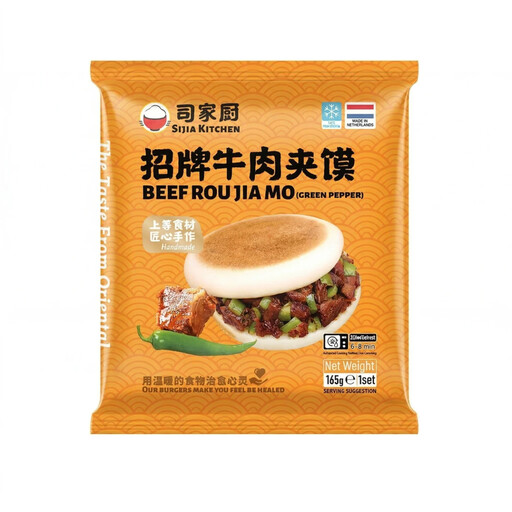
Why this fits: For those who want to prepare a filled Chinese meat hamburger with beef and a chewy flatbread base.
The product states 40% beef and clearly indicates that full heating is required. So you know what you’re buying and how to prepare it.
165g per piece, with beef, soya sauce, sesame oil and spices according to the product listing.
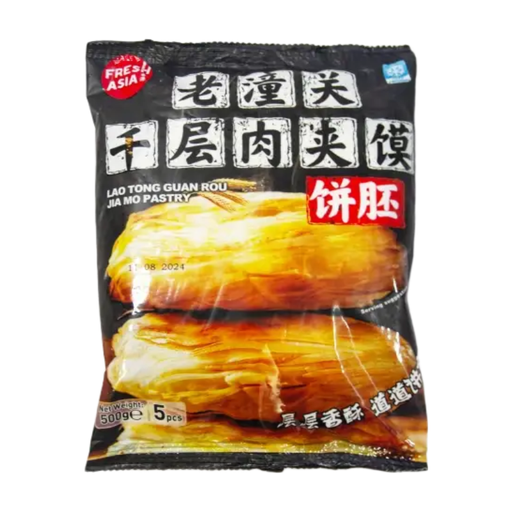
Why this fits: For home cooks who want to fill their own Roujiamo with meat, luncheon meat, vegetables or sauce.
The product name and description make it clear that this is only the bread base. So you’re not paying for a filling you won’t use.
500g of multi-layered breads, suitable for baking or pan-frying until golden brown and crispy.
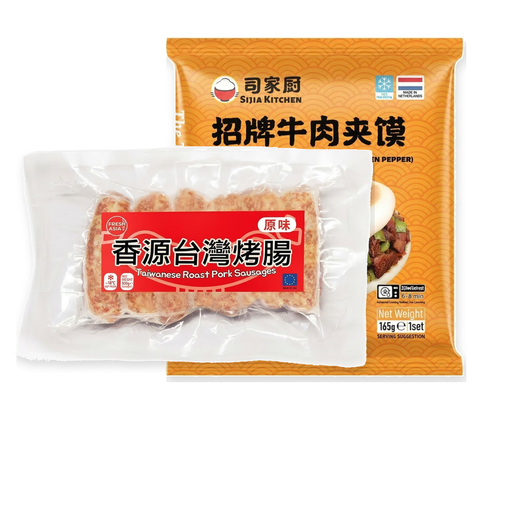
Why this fits: A combination for households that want to try both Taiwanese sausage and a Chinese hamburger.
The bundle lists both products and their weights. This means you can estimate in advance how many portions and how much preparation time you’ll need.
According to the product information, the sausage can be prepared in a pan, oven, air fryer or in water; the hamburger must be thoroughly heated.
Browse a current selection of products and compare filling, weight, allergens and preparation method before you order.
First, check the label. Some products need to be heated from frozen, while others need to be defrosted in the fridge first. Use a pan, oven, air fryer or microwave according to the instructions given. A product containing meat must be piping hot all the way through before serving.
This is generally not recommended once the product has been defrosted. Store frozen products at -18 °C or lower and plan your portions in advance. Once opened, store a tin of luncheon meat in the fridge according to the product information and consume it within the stated timeframe.
A Roujiamo, also known as a Chinese meat hamburger, consists of a flat, often layered bun with a savoury meat filling. A regular frozen burger is usually a separate meat product that you serve in a bread roll. For a quick meal, choose a filled variant; with flatbread and your own filling, you can create the flavour yourself.
