
Vandaag of morgen in huis

Kwaliteit gegarandeerd

Welkomstaanbiedingen ontgrendelen: GRATIS bezorging | Tot 80% korting | Gratis 30 dagen JoyPlus-proefperiode
Download de app
Gyoza, dumplings, dim sum, bao buns and Chinese snacks are convenient for a quick meal or drinks with friends. However, an appealing product photo tells you little about portion size, preparation and allergens. Asian frozen products and snacks come with three particularly common pitfalls:
By checking the ingredients, storage method and preparation instructions, you can more easily find a product that suits your household.
A frozen product should generally remain frozen until it is prepared. Check the packaging for the required temperature, usually -18 °C or below, and make sure the product is still frozen when it arrives. Products that have been thawed and refrozen should not be put back in the freezer, in line with the product instructions.
Not every Asian snack is a frozen product. Wei Long Spicy Stick Big Gluten Flavour and XIFU Dried Tofu, for example, are ready-to-eat Asian snacks that should be stored in a cool, dry place. They can be eaten straight from the packaging. Raw products, such as some wontons or hotpot snacks, must be heated thoroughly.
Do not just compare the price of a bag. Look at the weight and the likely number of portions too. A pack weighing 300 to 500 grams will often suit a meal for one or more people. Larger packs, such as 800 grams or 1 kg, are practical for families, dim sum evenings or regular use, but require more freezer space.
The format matters too:
Wheat, soya, sesame, egg, milk, fish and crustaceans are commonly found in gyoza, dim sum and Chinese snacks. Always check the label, especially if you have a food allergy or dietary requirement. A product containing chicken may also contain soya protein, wheat flour or sesame oil.
Nutritional values can help you compare products objectively. Khy Chicken Gyoza, for example, contains 147 kcal, 2.8 grams of fat and 1.1 grams of salt per 100 grams. Meng Fu Wenzhou Large Wontons contain 1.8 grams of salt per 100 grams. These figures do not tell you which product to choose, but they make the differences between the options clearer.
Follow the preparation instructions on the packaging. Some products must be cooked from frozen, while others need to be boiled or steamed first. Thawing can affect the texture of the dough and is not always permitted.
Practical guidance from the product information:
When using a microwave, follow the stated wattage and cooking time. Microwaves do not always heat food evenly, so let the product stand briefly and check the centre before serving.
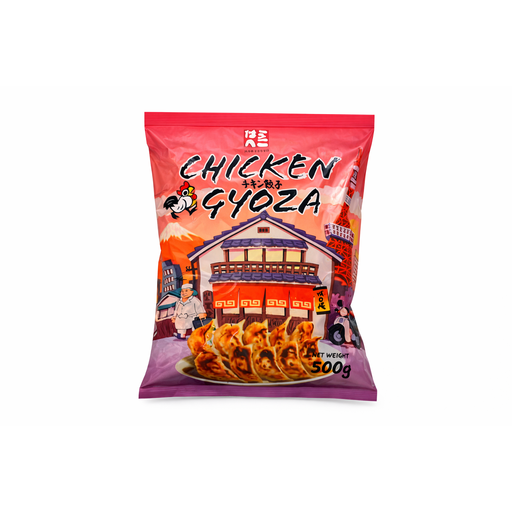
Why it suits this profile: A manageable pack for anyone trying chicken gyoza for the first time, without immediately buying a large multipack.
The weight and preparation methods are clearly stated. You can fry, deep-fry or steam the gyoza from frozen.
500 grams, chicken and vegetable filling, three preparation options and a stated salt content of 1.1 grams per 100 grams.

Why it suits this profile: Ideal for a dim sum table or a family wanting to serve several portions of prawn dumplings.
The pack states that it contains 32 pieces weighing 25 grams each. This makes it easier to estimate the number of portions than with a bag that does not specify the number of pieces.
800 grams, 17.2% stated prawn content and preparation by steaming or microwave according to the product information.
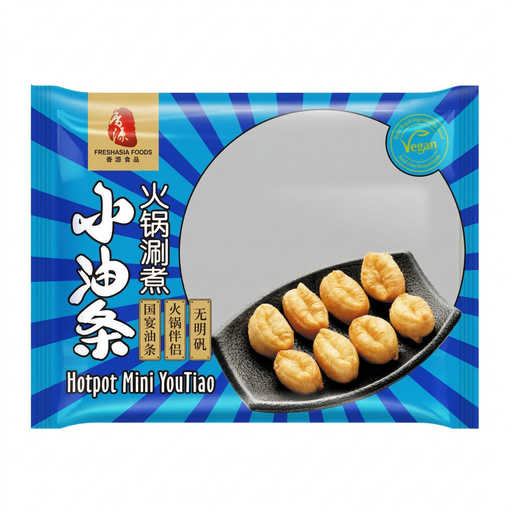
Why it suits this profile: A focused choice for hotpot and broth-meal enthusiasts, as well as anyone looking for small bites that cook quickly.
The instructions state that thawing is not necessary. However, this is a raw product containing flour, so it must still be cooked in hot stock.
225 grams, a portion size for hotpot, a cooking time of 1 to 2 minutes and wheat as the only stated allergen.

Why it suits this profile: Convenient for students, film nights or a spicy snack without needing a frying pan, steamer basket or microwave.
According to the product information, the snack is ready to eat and should be stored outside the freezer. This avoids any confusion about preparation.
106 grams, ready to eat and supplied with clear allergen information for wheat, soya and sesame.
We have put together a complete, up-to-date list of products that fully meet these strict selection criteria and the applicable European safety regulations.
Follow the date and storage temperature stated on the packaging. Frozen products should generally be stored at -18 °C or below and should not be allowed to thaw unnecessarily. After thawing, follow the instructions on the label; refreezing is not recommended for the products mentioned.
You can with many gyoza and dumplings. Khy Chicken Gyoza, for example, can be fried, deep-fried or steamed without thawing. Always check the specific packaging, as preparation times and methods vary by product.
That depends on the weight, number of pieces and preparation method. A large bag of gyoza may offer good value per piece, while a small ready-to-eat snack is mainly about convenience. Compare the price per 100 grams and check whether you will use the entire pack within its shelf life.
