
Same-day & Next-day Delivery

Quality Guaranteed

Unlock Your Welcome Offers: FREE Delivery | Up to 80% OFF | Free 30-day JoyPlus trial
Download the APP
Asian frozen products are a convenient choice for hotpot, soup, stir-fries or a quick meal. However, the packaging alone isn’t always enough to help you make a good decision. A large bag doesn’t automatically mean a better price per portion, and terms like “seafood”, “beef” or “gyoza” don’t tell you much about the exact ingredients.
When shopping, pay particular attention to three common pitfalls:
For fish balls and meat balls, the proportion of the main ingredient determines the texture and nutritional value. The FRESHASIA Wan Jiang Mixed Fish Ball Choice 5 in 1 contains 70% fish surimi according to the product information, while the Wan Jiang Fish Ball 200g states 50% fish meat. This makes comparing much easier than relying on the product name alone.
For hotpot ingredients, you can look at:
For hotpot beef, the thickness of the slice is important. Thin slices, such as the Thinly Sliced Rib Eye Beef for Hot Pot (1.2 mm), are ideal for a short cooking time in boiling broth. Beef rolls of 400 or 800 grams are also practical when several people are eating together.
Not every product can be prepared in the same way. Some dumplings can be boiled or steamed straight from frozen. The Ben’s Crystal Shrimp Dumplings, for example, recommend steaming at 96 °C for around seven minutes, without defrosting first. The Mooijer Ha Kau Shrimp Dumpling requires around eight to ten minutes of steaming from frozen.
Other products have different instructions. The FRESHASIA Exploding Juice Beef Balls must be fully defrosted and then boiled for five to six minutes. Always follow the instructions on the packaging, as cooking times and temperatures vary from product to product.
Before you buy, check the allergens highlighted in bold on the label. Common ingredients in Chinese frozen products, Japanese frozen products and Korean frozen products include:
Also look at the country of origin, the responsible manufacturer and the best-before date. According to the product information, a product that has been defrosted should generally not be refrozen.
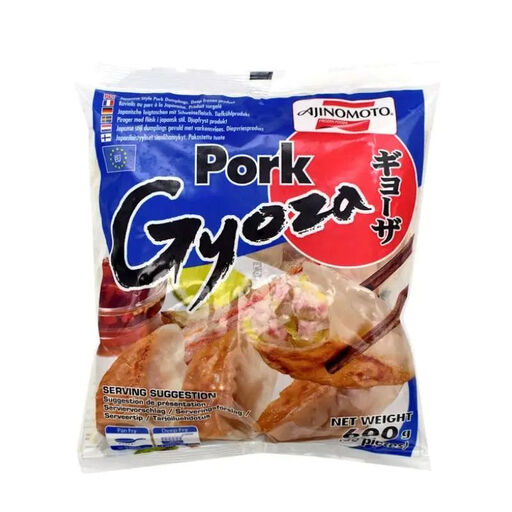
Why this fits the profile: A pack of 30 pieces is a manageable introduction to gyoza. The dumplings can be pan-fried or deep-fried.
The ingredients list includes 31% vegetables and 19% pork. Allergens such as wheat and soya are also clearly stated.
30 pieces per pack; suitable for pan-frying, deep-frying and a quick meal.
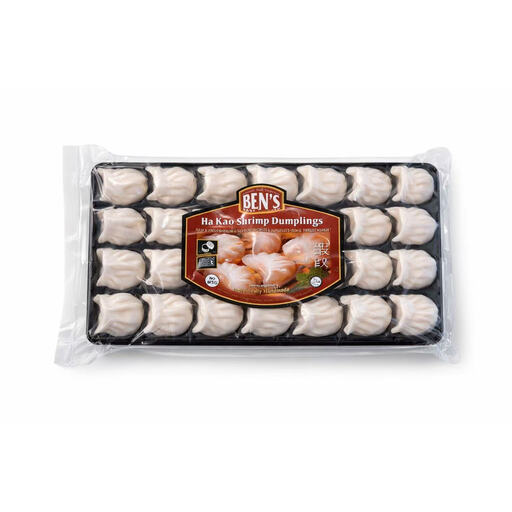
Why this fits the profile: The 800-gram pack with 32 pieces is ideal for families, dinner parties and catering businesses that need multiple portions at once.
The product information lists separate percentages for prawns, fish, vegetables and the pastry. This allows you to assess the filling more accurately than by relying on the name alone.
32 pieces; can be steamed or microwaved; clear allergen information.
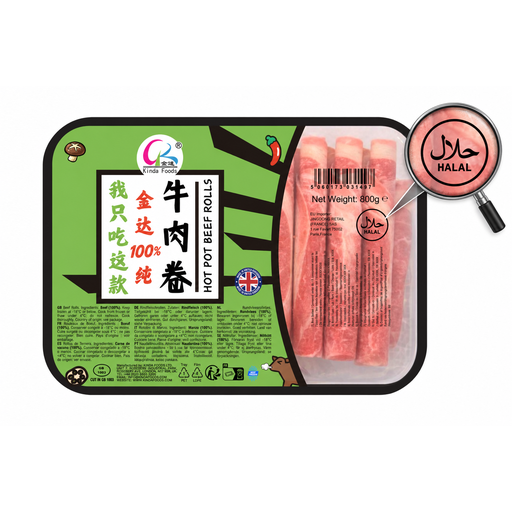
Why this fits the profile: The thinly sliced beef rolls are designed for hotpot and stir-fries. The 800-gram pack is practical for larger households or professional use.
The product states 100% beef, a storage temperature of -18 °C or lower, and the need to cook the meat thoroughly.
800 grams; 100% beef according to the product information; suitable for hotpot and stir-frying.
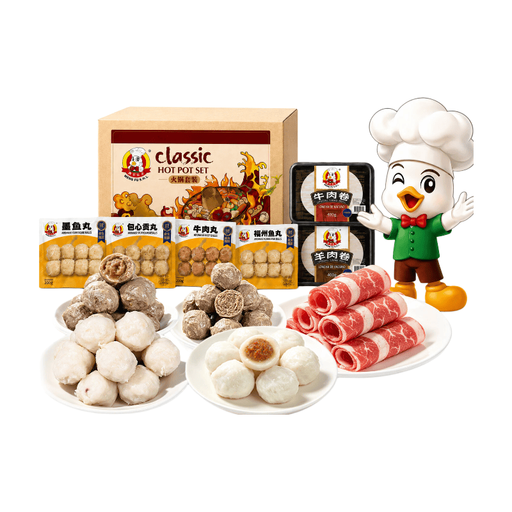
Why this fits the profile: This set combines lamb and beef rolls with fish, squid, pork and beef balls. It’s handy when you don’t want to put together several separate packs.
The ingredients and allergens are described for each component. Check this list carefully, as the set contains fish, egg, soya, wheat, molluscs and sesame, among other things.
A combination pack for hotpot; can be cooked straight from the freezer; suitable for several diners.
We’ve put together a full, up-to-date list of products that fully meet these strict selection criteria and comply with current European safety regulations.
The shelf life varies from product to product and is stated on the packaging. Store the products at the recommended temperature, usually -18 °C or lower. Keep the packaging sealed and put products in the freezer as soon as possible after purchase. Once defrosted, they should be kept refrigerated and used within the stated time. Refreezing is generally not recommended.
That depends on the product. Some gyoza, wontons and prawn dumplings are steamed, boiled or fried straight from frozen. Other products, such as certain meat balls, need to be defrosted first. Always read the cooking instructions and make sure the filling is fully cooked and piping hot.
Start with one broth base, thinly sliced beef or lamb for hotpot, and a small selection of fish balls, meat balls and dumplings. Add vegetables, noodles and a dipping sauce. By comparing products by weight and per portion, you can avoid paying too much for a large pack that doesn’t suit your household.
