
Same-day & Next-day Delivery

Quality Guaranteed

Unlock Your Welcome Offers: FREE Delivery | Up to 80% OFF | Free 30-day JoyPlus trial
Download the APP
Asian frozen products are handy for a quick hotpot, dim sum evening or meal after a busy day at work. However, the wrong choice can be disappointing. A packet may look large, but sometimes contains relatively little filling. What’s more, a product might need cooking while the picture suggests a ready-to-eat snack. Storage temperatures and cooking methods also vary from product to product.
As a Joybuy Product Recommendation Officer, I filter the most important information based on verifiable specifications. This way, you can see more quickly which Chinese dumplings, beef balls and other products suit your household.
Pay attention to the net weight, the number of pieces and the ratio of pastry to filling. A 600g bag may be suitable for several meals, but the number of dumplings isn’t always clearly stated on the front. So check the product page and the label.
With dumplings, the composition is also important. According to the product information, the FRESHASIA Pork and Corn Dumplings contain, among other ingredients, 23% pork and 11% sweetcorn. The FRESHASIA Beef & Onion Dumplings contain 23% beef and 11% onion. Percentages like these give you more certainty than general terms such as “generously filled”.
Many frozen dumplings are raw products and should not be eaten straight away. According to the instructions, the FRESHASIA Paper-Wrapped Siu Mai need to be steamed from frozen for 10 to 15 minutes. The centre must be completely cooked through.
Beef balls and Asian meatballs also differ in preparation. According to the product specification, Freshasia Beef Balls need to be boiled for 5 to 8 minutes; for the Exploding Juice Beef Balls, thawing first and then boiling for 5 to 6 minutes is stated. Always follow the instructions on the packet, as product compositions and cooking advice may change.
Chinese dumplings, siu mai and sauces often contain wheat, soya and sesame. Some snacks also contain milk or peanuts. Check the allergen list before ordering, especially if children are eating or someone in the household has an allergy.
A product with only beef as an ingredient, such as FRESHASIA Beef Blade Slices, has no declarable allergens according to the information provided. That doesn’t mean you can skip checking the actual packaging: cross-contamination information may vary per batch or packet.
Most of the selected products must be stored at -18 °C or lower. The FRESHASIA Beef & Onion Dumplings state a storage temperature of -25 °C or lower. On receipt, check that the packet is still well frozen and put the product in your freezer as quickly as possible.
Do not refreeze thawed products. With sliced beef, it sometimes states that the product can be cooked from frozen, while other varieties need to be thawed in the fridge first. That instruction depends on the product.
For hotpot, thin slices are practical because they cook quickly in boiling broth. According to the product information, Freshasia Sliced Beef 800g consists of beef and has slices of uniform thickness. The FRESHASIA Beef Slice 300g contains 99.5% beef and 0.5% salt.
For longer cooking, a different type of beef makes more sense. The Freshasia Beef Brisket Block, 700g, is intended for stewing, braising, soup and broth. For grilling or quick frying, you’d be better off looking at chuck, short rib or blade slices.
Choose a product that suits your equipment and time. Dumplings can be boiled, steamed or pan-fried. Siu mai are particularly suitable for a steamer basket. Beef balls work in hotpot, noodle soup and broth. Check whether thawing is needed and whether the product is supplied raw.
For families, a combination of several uses is often advantageous: one packet for a quick meal and one product for a planned weekend dinner.
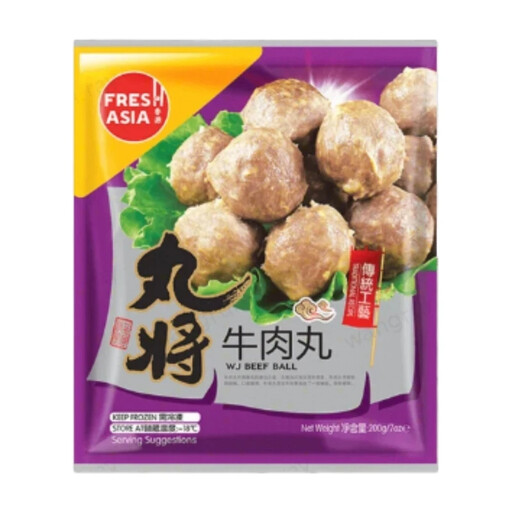
Why this suits the profile: A small packet to try beef balls first in soup, noodles or a simple hotpot.
The net weight is clearly stated and the cooking time of 5-8 minutes is specified. So you’re not buying a large quantity without knowing how to use it.
200g; 12.5g protein per 100g according to the product information; suitable for boiling and frying.
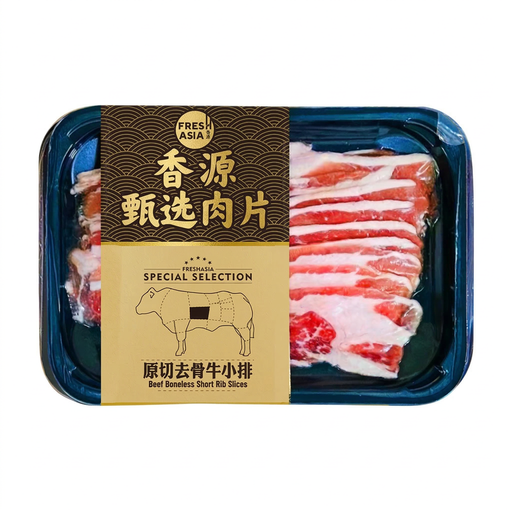
Why this suits the profile: For those looking for marbled, pre-cut pieces for grilling, frying or a special hotpot.
The product information states the type of cut, the weight and the recommended cooking method. So the choice is based on use rather than just a marketing photo.
200g; beef as an ingredient; suitable for barbecue, pan and hotpot; storage instruction of -18 °C or lower.
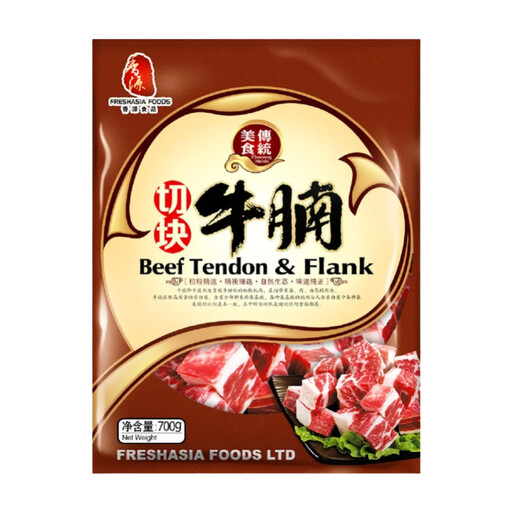
Why this suits the profile: A practical choice for those who cook in advance and want beef for stews, broth or multiple portions.
The use is clearly aimed at slow cooking. You avoid buying a thick piece of beef for a preparation that requires thin slices.
700g; 100% beef according to the product information; suitable for stewing, soup and braising.
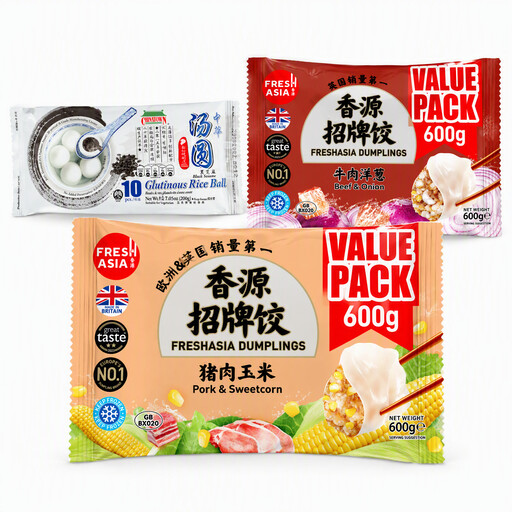
Why this suits the profile: The 600g packet is suitable for a shared meal and offers multiple cooking options.
The product information lists the main ingredients and allergens. Boiling, steaming and pan-frying are also given as cooking methods.
600g; pork and sweetcorn as stated filling; suitable for boiling, steaming and pan-frying.
We’ve put together a full, up-to-date list of products that fully meet these strict selection criteria and current European safety regulations.
Dumplings, siu mai and beef balls usually require little preparation. Dumplings can be boiled, steamed or fried. Beef balls work in broth, noodles and hotpot. Do check whether thawing is needed and whether the product is supplied raw.
The shelf life is stated on the packet. Store frozen products generally at the indicated temperature, often -18 °C or lower, and avoid thawing and refreezing. A damaged packet or a product that has partially thawed requires extra caution.
Look at the thickness of the slices, the net weight, the fat content and the cooking instructions. Thinly sliced beef is practical for short cooking in broth. Thicker chuck or short rib slices are more suitable for frying, grilling or a longer cooking time. Also always check the current ingredient and allergen information.
