
Same-day & Next-day Delivery

Quality Guaranteed

Unlock Your Welcome Offers: FREE Delivery | Up to 80% OFF | Free 30-day JoyPlus trial
Download the APP
A bag of Asian frozen products often seems straightforward to choose. Yet portion sizes, allergens and cooking methods can vary considerably. A product that promises plenty of filling on the packaging might, for example, be mostly dough. Likewise, terms like “handmade” or “authentic flavour” are not automatically a guarantee of the texture or seasoning you’re after.
With this buying guide, you can compare frozen dim sum, Chinese snacks, frozen dumplings and other Asian party bites on verifiable points. That way, you can make a more informed choice for a quick breakfast, a family buffet or a stock-up for busy days.
“Handmade”, “traditional” and “authentic” are mainly descriptive terms. So look at the ingredients list and the cooking instructions. Some siu mai, for instance, state the percentage of glutinous rice, mushroom or vegetables. That gives you more to go on than a picture on the packaging.
Also pay attention to the difference between a snack with meat and a vegetarian version. A product with vegetables, tofu and vermicelli may be suitable for a vegetarian diet based on the ingredients list, but always check the actual packaging and any warnings about cross-contamination.
A pack of 240 or 300 grams doesn’t directly tell you how many people it will feed. The FRESHASIA Handmade Glutinous Rice Siu Mai at 240 grams, for example, contains four individually wrapped pieces. That’s suitable for a small breakfast, a bento or an addition to a dim sum meal. For a family, you may need several packs.
So compare the number of pieces and the weight per pack. Scallion rolls are sometimes sold individually or in larger quantities; the Freshasia Handmade Scallion Roll at 300 grams contains twelve pieces according to the product information.
Many frozen dim sum can be steamed straight from the freezer. However, the time needed varies. For siu mai, this can be around 8 to 10 minutes, while other products need 10 to 15 minutes. Products with raw dough must be fully cooked through.
A microwave is sometimes an option, but the texture may turn out differently than with steaming. Always check the label, do not eat the product raw, and do not refreeze a thawed product.
Check at least:
For the FRESHASIA siu mai with glutinous rice and vegetables, wheat and soya are listed as allergens. The mushroom and glutinous rice variant also contains pork and sesame. The vegetable buns with shepherd’s purse or radish list wheat, soya and sesame.
A practical point of comparison is the time from boiling water:
Several products state a minimum core temperature of above 70 °C. Treat this as a food safety instruction, not as an indication of flavour or texture.
Most of the products mentioned should be stored at -18 °C or below. Bear in mind the available space in your freezer and plan your order so that frozen products are put away as quickly as possible after delivery. Check on delivery that the products are still frozen.
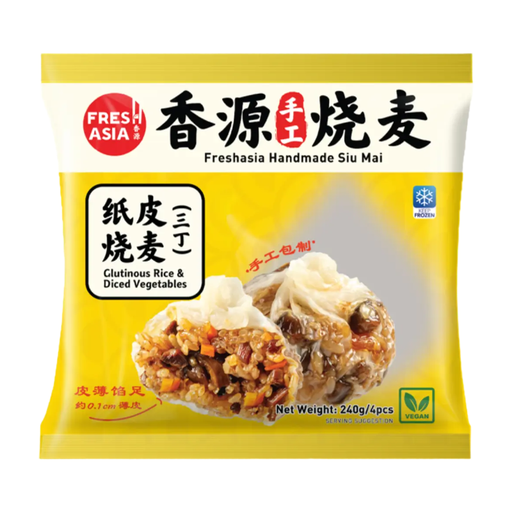
Why this suits the profile: A straightforward pack of four pieces with a short steaming time is practical for anyone trying frozen dim sum for the first time or looking for a small portion.
The ingredients information states, among other things, 35% glutinous rice and 6% bamboo shoot. It also clearly says you can steam straight from the freezer for 8–10 minutes.
Four individually wrapped siu mai, with vegetables and shiitake. Allergens: wheat and soya; also check the warning for possible traces.
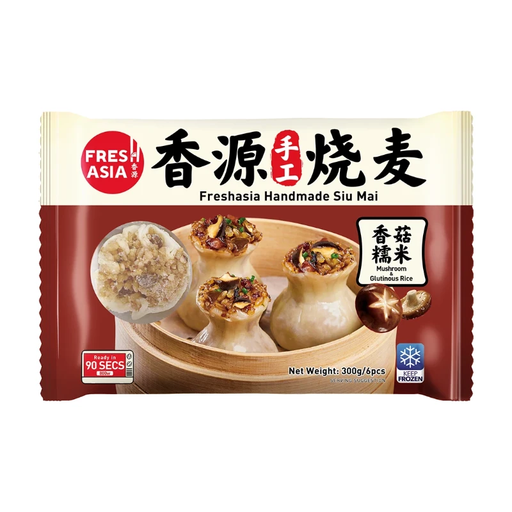
Why this suits the profile: The thinner wrapper and generous filling appeal to eaters who pay particular attention to texture and a more elaborate dim sum presentation.
The cooking method specifically mentions 10–15 minutes steaming and advises using baking paper or lightly greasing to prevent sticking. No need to thaw.
300 grams with mushroom and glutinous rice; serve with soy sauce, chilli oil or black vinegar. Contains wheat, soya and sesame, plus pork.
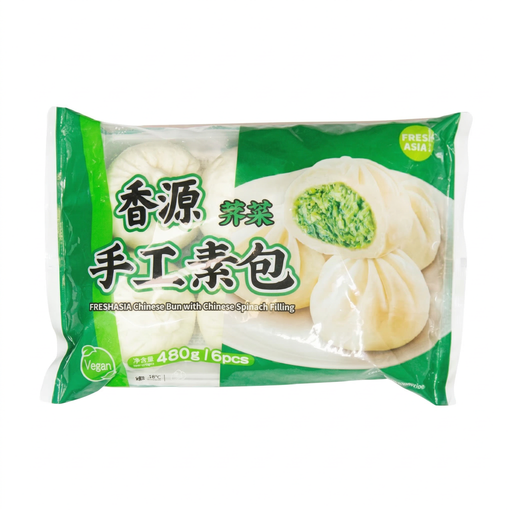
Why this suits the profile: A generous pack of filled vegetable buns is suitable for a vegetarian-inspired meal, breakfast or a stock-up for several eating occasions.
The filling is specified as shepherd's purse, tofu, vermicelli and shiitake. This lets you see what the vegetable buns actually contain, rather than relying solely on the product photo.
480 grams; steaming takes 10–12 minutes according to the product information. Contains wheat, soya and sesame and is not suitable for consumption without being fully heated through.
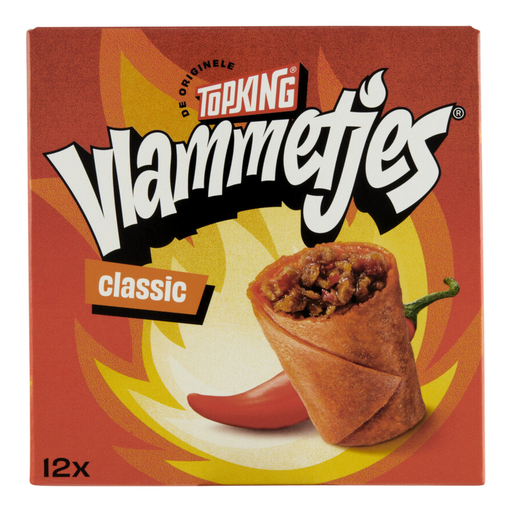
Why this suits the profile: Twelve pieces are ideal for a sharing platter or party occasion. The seasoned meat filling with Spanish pepper is aimed at those who enjoy a spicy snack.
The product information states 48% pork, 3% Spanish pepper and a storage temperature of -18 °C. This lets you assess the heat level and ingredients in advance.
12 portions per pack and a crispy spring roll texture according to the product description. Contains wheat and gluten; additional allergen information is limited, so check the packaging.
We’ve put together a full, up-to-date list of products that fully meet these strict selection criteria and comply with current European safety regulations.
It varies by product. For the variants mentioned, allow around 8 to 15 minutes from boiling water. The packaging is the final guide. Only thaw when explicitly stated.
No. Check the ingredients. Some buns contain only wheat flour, water, yeast and salt, while others contain pork, tofu or several vegetables. The Fresh ASIA buns with shepherd's purse and radish list vegetable fillings, but do contain wheat, soya and sesame.
Store the products at -18 °C or below, seal the packaging well and use them before the date on the pack. According to the product information, thawed products must not be refrozen. Also, minimise the time they spend out of the freezer when unpacking, and put them back straight away.
