
Same-day & Next-day Delivery

Quality Guaranteed

Unlock Your Welcome Offers: FREE Delivery | Up to 80% OFF | Free 30-day JoyPlus trial
Download the APP
When you buy Asian frozen products, you usually want to get something tasty on the table quickly, without making your own dough or marinating for hours. Yet an attractive packet doesn’t tell you everything. A product might have very little filling, unclear cooking instructions, or simply not fit the space in your freezer.
As Joybuy Product Recommendation Officer, I filter the most important information based on verifiable product data. This way, you can compare Chinese dumplings, gyoza, frozen dim sum, snacks and Asian meals in a practical way.
A 600g or 900g bag might look attractively priced, but also check the number of portions and the shelf life. A big pack of spring rolls or gyoza is only really handy if you have enough freezer space and use the product regularly. For one person, a smaller packet can help reduce waste.
Brands are allowed to describe their product as authentic, but this isn’t an objective measure of quality. So check the ingredients instead. With dumplings, the percentage of meat, fish or prawns, the amount of vegetables and the type of dough are all relevant. With char siu, fish balls and siu mai, the ratio of main ingredients varies from product to product.
Many Chinese dumplings and dim sum are designed to be cooked straight from the freezer. Thawing can change the texture of the dough and increases the risk of the filling leaking out. Always look at the instructions on the packet. Some products are suitable for steaming, while others need to be cooked in a pan, deep-fried or boiled in water.
Don’t just compare the weight – also look at what makes up that weight. Here are a few examples from the range:
A higher percentage of a main ingredient isn’t automatically a better choice, but it does make comparisons more transparent.
Always check the bold allergens on the label before you buy. Many Asian snacks and meals contain wheat, gluten, soya, sesame, egg, fish, crustaceans or molluscs. A product may also contain traces due to being produced in the same environment.
Also pay attention to salt and energy per 100g. The Bai Xiang Classic Spicy Beef instant noodles contain 4g of salt per 100g according to the product information. The packet weighs 510g and is divided into five sachets. That’s useful information if you’re buying multiple portions or eating the noodles often.
Frozen products should generally be stored at -18 °C or lower, unless the packet states otherwise. Do not refreeze a product once it has thawed. When you receive your order, check that the packaging is intact and that the product is still frozen.
Cooking times vary:
For raw products: do not eat raw and heat through completely. Use the instructions on the actual packet as your guide.
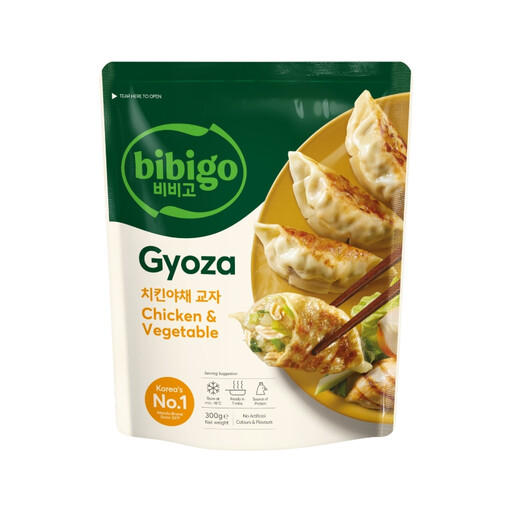
Why this fits the profile: A straightforward packet for anyone wanting to try gyoza at home without buying a large quantity straight away.
The product name and packaging clearly state the type of gyoza and the weight. Do check the current cooking instructions and allergens on the label.
Chicken and vegetable filling; suitable for pan cooking according to the product information.
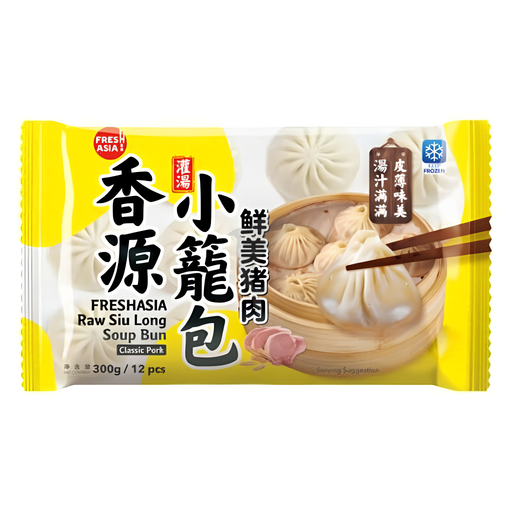
Why this fits the profile: For anyone specifically looking for xiao long bao with pork filling and a cooking method suitable for steaming.
The product information states 30% pork, 300g net weight and steaming from frozen for 8 to 10 minutes.
Thin dough wrapper according to the product description; contains pork, prawns and shiitake.
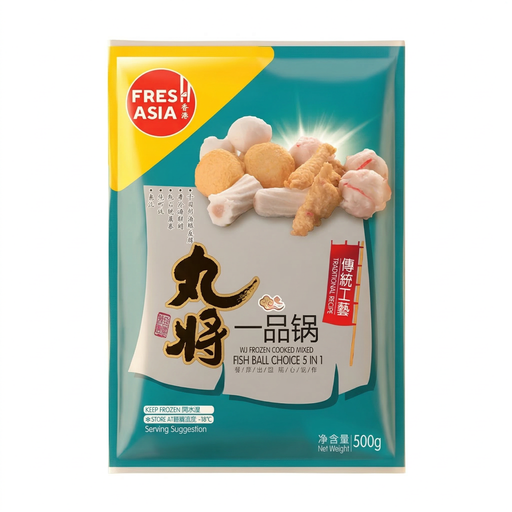
Why this fits the profile: Handy for fans of hotpot, soup and stir-fry dishes who want one product they can use in multiple ways.
The product information states the 70% fish base and lists allergens including fish, soya, egg, wheat and squid.
500g; suitable for hotpot, soup, stir-frying or as a warm snack.
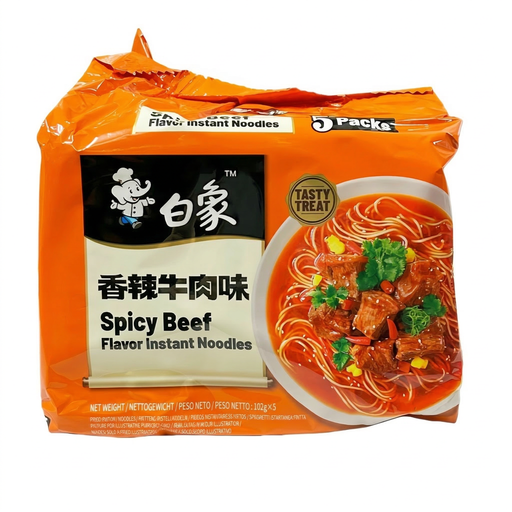
Why this fits the profile: A bulk pack for students, busy households or a quick meal when cooking isn’t an option.
The packet contains five separate 102g portions. This means you can prepare one sachet at a time without opening a frozen pack.
Five portions; preparation according to the product information takes around 4 to 5 minutes with boiling water.
We’ve put together a full, up-to-date list of products that fully meet these strict selection criteria and comply with current European safety regulations.
Build a small stock with different cooking types. For example, combine gyoza with Chinese noodles and a simple broth. Siu mai, ha kau and xiao long bao work well on a dim sum platter. Fish balls are useful in hotpot or soup. For a snack, mini spring rolls and youtiao are practical additions.
With ready-made Asian meals and char siu, pay particular attention to the storage instructions. Not every product in this category is stored frozen; some instant noodles and self-heating meals are kept at room temperature. So always follow the label on the specific product.
Use a steamer, pan or boiling water, depending on the product. Place the dumplings straight from the freezer into the pan or steamer and stick to the recommended time. Check that the filling is piping hot all the way through. Only thaw if the packet specifically says to.
Store them at the temperature stated on the label, usually -18 °C or lower, until the date given. The shelf life decreases once the product thaws. Do not refreeze it, and use opened or thawed products according to the instructions on the packet.
That depends on the portion size, the product and the cooking method. A bag of dumplings or spring rolls can provide several meals. So compare the price per 100g or per portion, and remember to factor in any sauces, oil and side dishes.
