
Same-day & Next-day Delivery

Quality Guaranteed

Unlock Your Welcome Offers: FREE Delivery | Up to 80% OFF | Free 30-day JoyPlus trial
Download the APP
Asian frozen products make it easy to prepare dim sum, Chinese snacks, Korean frozen meals and Japanese onigiri at home. However, not every pack is right for your household. An attractive photo tells you little about portion size, cooking time or allergens.
If you shop with purpose, you can avoid these three common pitfalls:
First, check how you prepare the product. Frozen dim sum such as har gow, siu mai and xiao long bao is usually steamed straight from the freezer. The delico Dim Sum Assortment at 360g contains four varieties: prawn dim sum, beef siu mai, pork siu mai and soup dumplings. According to the product information, the items are individually frozen and intended to be steamed from frozen.
For a quick preparation without a steamer basket, microwave products are more practical. The Rengi Kimbap varieties are prepared in the microwave according to the product description. Tteokbokki, onigiri and Korean fried chicken may be suitable for the microwave, oven or air fryer, depending on the product. So don’t just look at the name – check the exact instructions on the packaging.
The weight doesn’t automatically tell you how many people you can serve. A 230g pack of kimbap is divided differently from a 900g bag of mini spring rolls. Pay attention to:
A product with rice, meat or dough can also be more filling than a meal with lots of vegetables. Combine smaller portions with edamame, salad or extra rice, for example, if you want to put together a more substantial meal.
Asian frozen products often contain several seasonings, sauces and composite ingredients. So check the full ingredients list. The delico Dim Sum Assortment lists wheat, shellfish, sesame and soya among others; the product may also contain peanuts. The cha sieuw bao contains wheat, soya and sesame according to the product information.
Store frozen products at -18 °C or lower unless the label says otherwise. After defrosting, follow the stated shelf life in the fridge and do not refreeze the product. The packaging remains the guide for the best-before date, preparation and storage conditions.
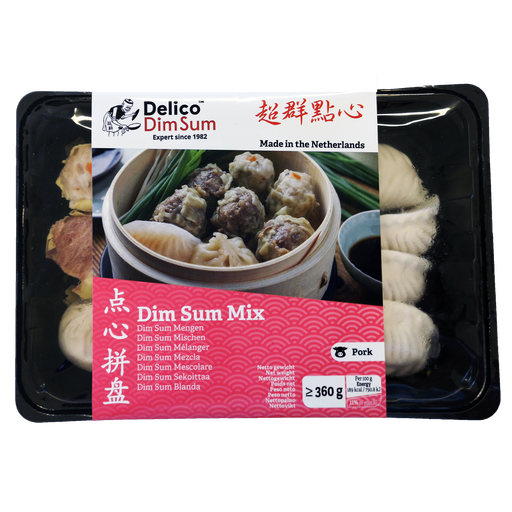
Why this fits the profile: A mixed pack lets beginners try several classic dim sum products without buying multiple separate boxes.
The four varieties and portion information make it clear what you’re buying. Do bear in mind the steaming requirement and the listed allergens.
360g, four types of dim sum and cooking from frozen according to the product information.
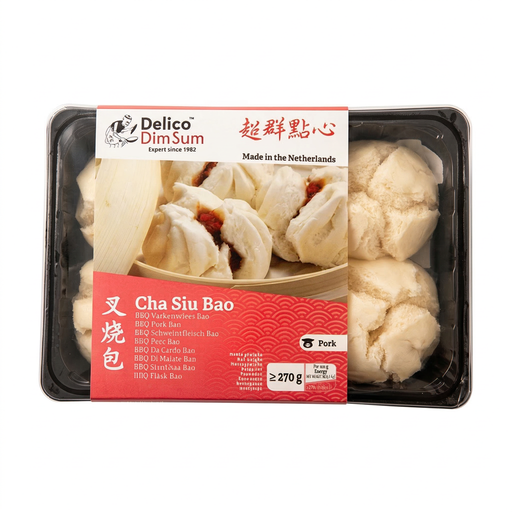
Why this fits the profile: This Cantonese bao focuses on one recognisable combination: a light steamed bun with a savoury char siu filling.
The cooking time is clearly stated: steam for 8 to 10 minutes from frozen. This way you know in advance what equipment is needed.
270g, short steaming time and a clearly described char siu filling.
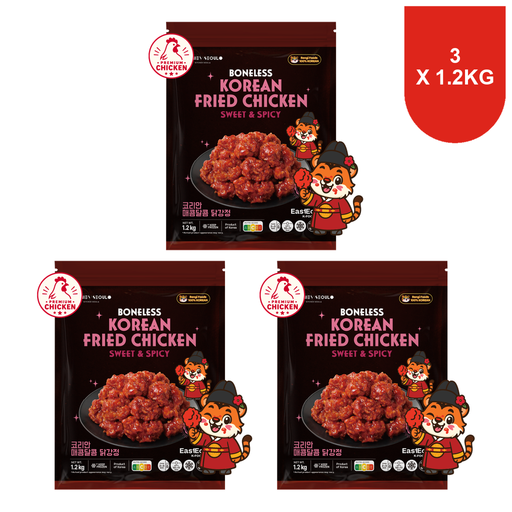
Why this fits the profile: The large pack is aimed at families, parties and households that want to serve Korean fried chicken more often.
The packaging states a total weight of 1.2kg and preparation in an air fryer or oven. Check beforehand that your freezer and equipment can handle it.
Boneless chicken, sweet and spicy sauce, and a cooking method that suits the oven or air fryer.
Other popular choices include kimchi jjigae, Japanese onigiri with chicken or salmon, kimbap, tteokbokki and mini spring rolls. With fried snacks, pay particular attention to the cooking method and the amount of oil you need. With Korean frozen meals, it’s wise to compare the portion size and salt content per 100g.
We’ve put together a full, up-to-date list of products that fully meet these strict selection criteria and current European safety regulations.
It varies by product. Dim sum and custard buns are usually steamed. Kimbap and some onigiri can be cooked in the microwave according to the product information. Korean fried chicken is prepared in the oven or air fryer. Always follow the instructions on the packaging and do not eat dough-based products raw.
Store them at the temperature stated on the packaging, usually -18 °C or lower. The exact shelf life is given by the date on the label. After defrosting, keep the product chilled and use it within the stated time. Refreezing is generally not recommended.
Some are, but others are mainly snacks or side dishes. Check the weight, ingredients and nutritional information. A portion of tteokbokki, kimbap or onigiri can be supplemented with vegetables, soup or extra protein. This way you can better tailor Asian food at home to the number of diners and your mealtime.
