
Same-day & Next-day Delivery

Quality Guaranteed

Unlock Your Welcome Offers: FREE Delivery | Up to 80% OFF | Free 30-day JoyPlus trial
Download the APP
When you want to cook Chinese dishes at home, Asian frozen products offer a practical solution. Chinese dumplings, bao buns, xiao long bao, Chinese meatballs and beef for hotpot are quick to prepare and often have a longer shelf life than fresh alternatives. Yet an attractive product photo tells you little about portion size, preparation or ingredients.
With these checks, you can avoid disappointing purchases and choose products that suit your household, cooking style and budget.
A value pack isn’t automatically a better deal. Look at the weight per pack, the number of pieces and the amount of edible product. A 600g product might be handy for a family, but impractical if you cook for one and need to use the pack quickly after opening.
For catering and food service, larger packs can be worthwhile, but do check your storage space and the preparation time per portion.
Marketing terms like traditional, authentic or generously filled are no substitute for the ingredients list. Check the percentage of meat, fish or vegetables. The FRESHASIA Wan Jiang Mixed Fish Ball Choice contains 70% fish surimi according to the product information. The Freshasia Beef Slice consists of 99.5% beef and 0.5% salt according to the specification.
With Chinese sausage, frozen meat products and Chinese meatballs, fat, starch, sugar and flavour enhancers can make up a larger proportion than you might expect. So compare the first ingredients and the nutritional values per 100g.
Many frozen products are raw and need to be fully heated through. This applies to dumplings, bao buns, xiao long bao, meatballs and some snacks. A pack may look ready to use, while the product still needs to be boiled, steamed or fried.
Pay attention to the instructions:
Don’t just compare the price per bag, but also the price per 100g. Also look at the stated filling percentage. With dumplings, the ratio of dough to filling can vary significantly. The FRESHASIA Pork & Chinese Leaf Dumplings have a filling of 55% according to the product information, including 30% pork and 15% cabbage.
For a meal with noodles or vegetables, dumplings with a mixed filling are often sufficient. For a hotpot with several ingredients, smaller packs of beef, fish balls or pork balls are more practical.
The cooking method affects the texture. Xiao long bao are typically steamed. The Freshasia Soup-Filled Xiao Long Bao with Pork Filling is steamed from frozen in 8 to 10 minutes according to the product instructions. Dumplings can be boiled, steamed or pan-fried.
Also check whether a product needs to be thawed first. The Freshasia Exploding Juice Beef Balls state thawing before cooking, while other meatballs can go straight from the freezer into broth.
UK shoppers need to be able to check the allergen information. Pay particular attention to wheat, gluten, soya, sesame, egg, fish, crustaceans and molluscs. Fish balls, for example, may contain fish, soya, egg, wheat and squid. Xiao long bao may contain wheat, soya, sesame and crustaceans.
If you have an allergy or intolerance, always check the current packaging. Product information can change, and you should not rule out cross-contamination if that is stated on the label.
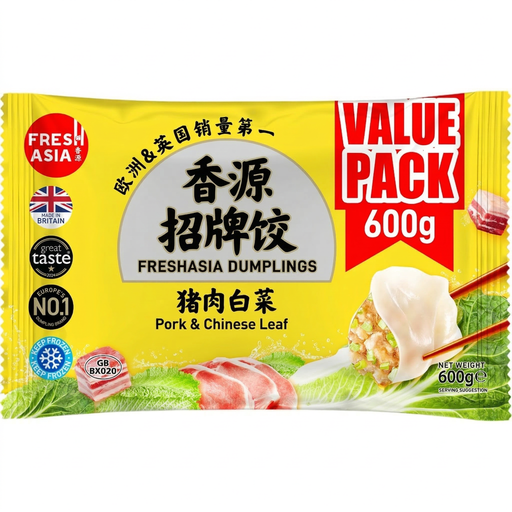
Why this suits the profile: A generous pack for anyone wanting an easy introduction to Chinese dumplings. Boiling, steaming and pan-frying are all possible.
The product information clearly states the filling, allergens and cooking methods. This lets you assess the portion and composition in advance.
600g, 30% pork and 15% cabbage according to the product specification; suitable for boiling, steaming and pan-frying.
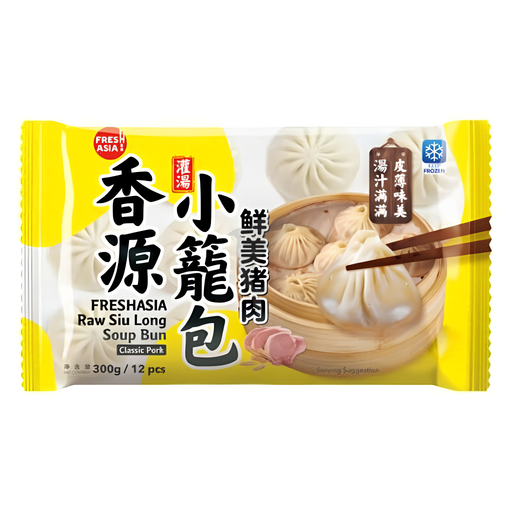
Why this suits the profile: For fans of steamed dim sum who pay close attention to preparation and product details.
The instructions state that the xiao long bao can be steamed from frozen and need 8 to 10 minutes. That takes the guesswork out of cooking.
300g, pork filling and a specific steaming time; allergens including wheat, soya, sesame and crustaceans are listed.
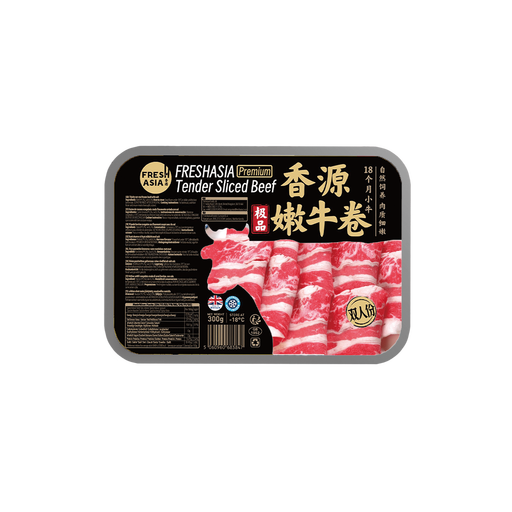
Why this suits the profile: A targeted choice for hotpot, noodle soup or quick stir-fries without having to slice beef yourself.
The specification states 99.5% beef and indicates that the product can be cooked from frozen. Always check the current packaging though.
300g pre-sliced beef, with no declared allergens according to the supplied product information.
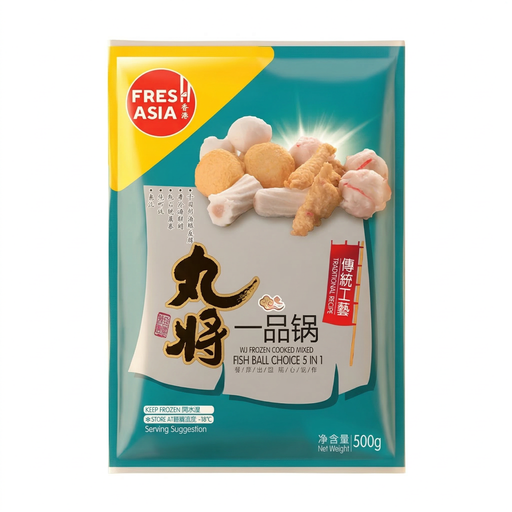
Why this suits the profile: The mix of different fish balls works well for a hearty hotpot, soup or meal with several people.
The product information states 70% fish surimi and notes that the product must be fully heated through. Fish, soya, egg, wheat and molluscs are also listed as allergens.
500g, can be cooked straight from frozen in broth or a pan; suitable for hotpot, soup and stir-fries.
We’ve put together a full, up-to-date list of products that fully meet these strict selection criteria and comply with current European safety regulations.
Follow the method on the pack. Many dumplings can be boiled, steamed or pan-fried straight from frozen. Don’t thaw them beforehand unless instructed: the dough can tear and the cooking time will change. Only serve them once the filling is completely cooked and piping hot.
Store products that require it at -18 °C or colder and stick to the date on the pack. Once thawed, you should generally not refreeze them. Ready-to-eat snacks such as marinated duck wings must be kept chilled after opening and consumed according to the product instructions.
Start with a broth, pre-sliced beef, Chinese meatballs or fish balls and some vegetables. Add noodles, tofu or dumplings for a complete meal. Check the cooking times beforehand: thin beef cooks quickly, while thicker meatballs need longer. Be mindful of allergens in broth, dipping sauces and composite products.
