
Same-day & Next-day Delivery

Quality Guaranteed

Unlock Your Welcome Offers: FREE Delivery | Up to 80% OFF | Free 30-day JoyPlus trial
Download the APP
Asian frozen products make it easy to prepare a quick meal or snack at home. Yet the range available in Dutch online shops is broad: from Chinese frozen snacks and frozen dim sum to gyoza, dumplings, bao buns and hotpot ingredients. An attractive packet doesn’t always tell you enough about portion size, allergens or ease of preparation.
The most common buying mistakes are:
First, check the net weight and, where stated, the percentage of the main ingredient. This helps you compare products more fairly.
For example:
A higher percentage doesn’t automatically mean a product will suit your taste, but it does make the product composition easier to assess. Also look out for additions such as starch, soya protein, oil, sugar and flavour enhancers.
The cooking method determines which kitchen equipment you need. For frozen dim sum, a steamer basket and pan are often enough. Gyoza can usually be pan-fried, steamed or deep-fried. Hotpot ingredients are handy because you can add them straight to a simmering broth.
Look out for the difference between:
A microwave is practical for bao buns and filled snacks, while steaming is often better for an even, soft texture.
Read the ingredients list and allergen declaration before you buy. In this category you will find gluten, soya, sesame, egg, milk, fish, shellfish and molluscs, among others. A product described as “prawn flavour” may also contain fish, egg or wheat.
Store frozen products at -18 °C or below, do not thaw them again and do not refreeze them once they have been defrosted. On arrival, it is wise to check the packaging for tears, leaks or obvious signs of thawing.
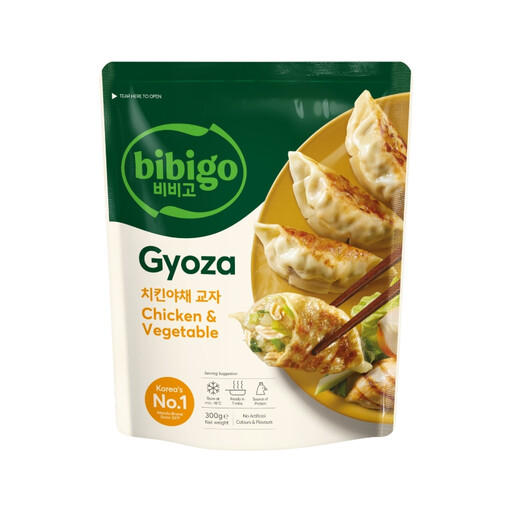
Why this fits the profile: Gyoza is an accessible way to prepare Asian snacks at home. Serve them as a side dish or quick meal.
The product name makes the filling clear: chicken and vegetables. Do check the packaging for full allergen information before use.
300g per pack and suitable as a snack or side dish. Gyoza works in a pan, steamer basket or deep fryer.
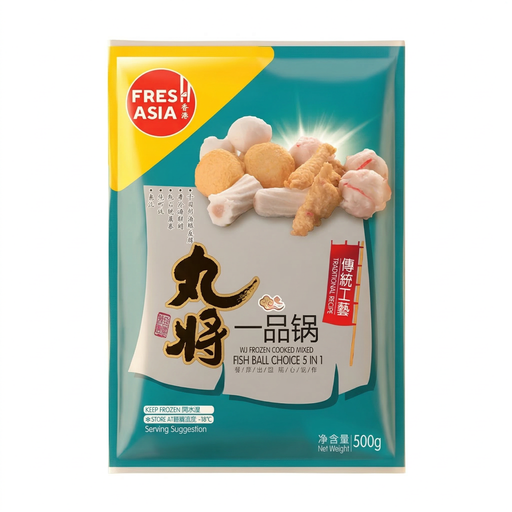
Why this fits the profile: The 500g pack is suitable for those serving several people or making hotpot regularly.
The stated fish surimi content of 70% and the presence of 0.2% squid give you more information than just a flavour name.
Suitable for hotpot, soup and stir-fries. Contains fish, soya, egg, wheat and molluscs; check this carefully.
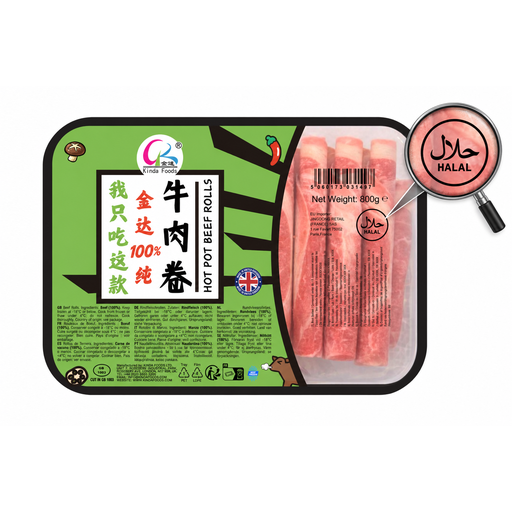
Why this fits the profile: The large pack and thin, even slices are practical for regular hotpot meals or stir-frying.
The ingredients list states 100% beef. The 800g portion makes the price per use clearer.
Halal stated on the product name, sourced from the United Kingdom and suitable for hotpot and stir-frying.
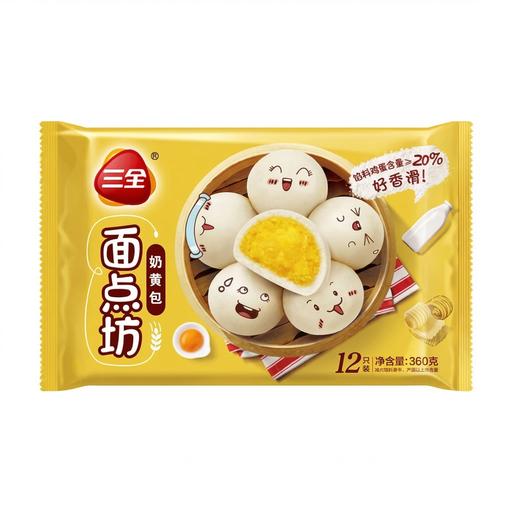
Why this fits the profile: These filled bao buns are suitable for breakfast, dessert or a sweet snack and are steamed from frozen.
The cooking instructions are specific: steam for 10 to 12 minutes from frozen. No need to defrost.
360g per pack and a clear declaration of wheat, egg, soya and milk as allergens.
We have put together a full, up-to-date list of products that fully meet these strict selection criteria and current European safety regulations.
Always follow the instructions on the packaging. Many dumplings, gyoza, fish balls and meatballs can be boiled, steamed or pan-fried straight from frozen. Bao buns and siu mai are often steamed. Make sure the filling is piping hot all the way through before serving.
The best-before date is on the packaging and applies as long as the product has been stored continuously at the stated temperature. Keep your freezer at -18 °C or below, seal opened packs tightly and do not refreeze defrosted products.
A large pan, a portable hob or table burner, stock and ingredients such as beef rolls, fish balls, meatballs, tofu, vegetables and noodles are all you need. Add thinly sliced meat and balls in small portions and cook them through completely. Always check the allergen information on the label for composite products.
