
Same-day & Next-day Delivery

Quality Guaranteed

Unlock Your Welcome Offers: FREE Delivery | Up to 80% OFF | Free 30-day JoyPlus trial
Download the APP
Asian frozen products make it easier to prepare tteokbokki, hotpot, dim sum and sweet snacks at home. However, not every product is suitable for the same cooking method. A rice cake intended for a broth, for example, may have a different shape and cooking time than one meant for a sweet dessert.
So don’t just rely on an appealing picture or words like “traditional” and “authentic”. The ingredients list, cooking instructions, portion size and storage guidelines determine whether a product is right for your kitchen.
Frozen rice cakes come in various shapes. Flat slices, sticks and filled rice cakes do not react the same way to boiling, steaming or frying. For tteokbokki, tteokbokki rice cake sticks are practical, while sticks for hotpot can also work well in broth or mala tang.
Always check what the product is intended for according to the product information. A soft, chewy texture is not automatically suitable for prolonged cooking.
Some Asian frozen products can be cooked straight from the freezer. Others need to be briefly defrosted. The instructions vary by type:
Defrosting for too long can alter the texture. Always follow the packaging and never refreeze a product once it has been defrosted.
A 1 kg pack may seem good value, but it’s only worthwhile if you cook Asian dishes regularly. For a one-off meal, a 200 g or 250 g pack can be more practical. Also check the portion breakdown. A box of Japanese taiyaki weighing 450 g, for example, might contain five pieces of 90 g each.
The shape often gives you a clue about how to use it:
Read the allergen information before you order. In this category, wheat, gluten, soya and sesame are common. For example, China Town Glutinous Rice Balls Black Sesame Filling contains sesame. The taiyaki contains wheat and soya. TCT Glutinous Rice Cake Brown Sugar Filling and TCT Glutinous Rice Cake Taro Filling both list wheat and soya.
The filling also deserves attention. “Brown sugar” or “taro” doesn’t tell you how much of it is in the product. For TCT Glutinous Rice Cake Brown Sugar Filling, for instance, the ingredients list 40% glutinous rice flour and 40% brown sugar. In the taro version, the composition includes 40% glutinous rice flour and 40% taro.
Frozen products should generally be stored at -18 °C or lower. Check on arrival that the packaging is still properly frozen. A product that has defrosted must not be refrozen.
Also pay attention to the cooking method:
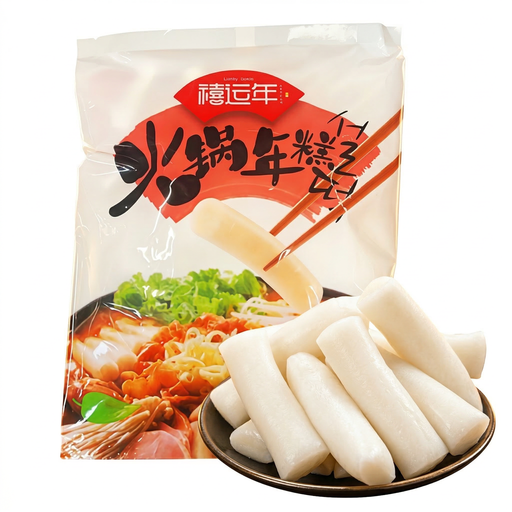
Why this fits the profile: The 400 g pack is a manageable size for a first hotpot, mala tang dish or simple meal with rice cakes.
The stick shape makes the intended use clear. According to the product information, no defrosting is needed and the rice cakes are suitable for broth-based dishes.
400 g net weight, ingredients based on rice, water and edible maize starch; store at -18 °C or lower.
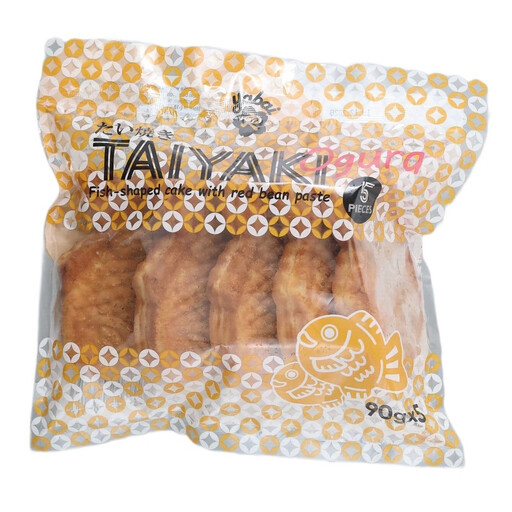
Why this fits the profile: Ideal for anyone who wants to serve a recognisable Japanese snack without making taiyaki batter and red bean filling from scratch.
The packaging states the portion breakdown of five pieces of 90 g each and provides storage instructions for frozen storage.
450 g total weight, 13.9% adzuki beans according to the product information and origin Japan.
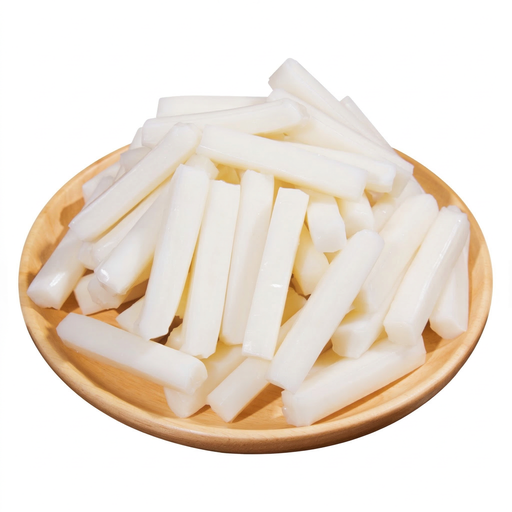
Why this fits the profile: The 1 kg pack suits households that frequently make tteokbokki, hotpot, soup or stir-fries.
The stick shape is specifically suitable for tteokbokki and broth. This means you don’t have to use unsuitable slices for this type of dish.
1 kg content, pre-cooked according to the product description and suitable for multiple cooking methods.
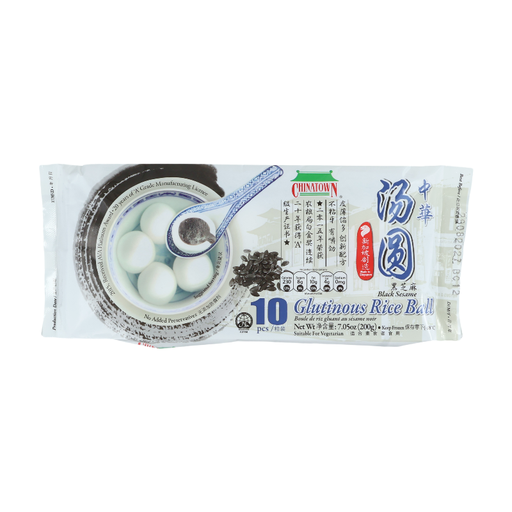
Why this fits the profile: A compact pack for anyone who wants to prepare tangyuan with black sesame as a dessert or festive sweet treat.
The usage instructions state to cook until the balls float to the surface and are fully done. This prevents the frozen product from being under-heated.
200 g content, black sesame filling and three cooking options according to the product information: boiling, steaming or frying.
For other Asian desserts, you could also look at mochi with brown sugar, glutinous rice cake with taro filling, TCT Ma Lai Cake and frozen puff pastry snacks. If you want to finish off your own baking, a frozen egg tart pastry such as FRESHASIA Portuguese Style Egg Tart Shell is a good option. According to the product information, these tart shells need to be briefly defrosted and then baked at a high temperature. Always check the instructions on the packaging.
We have compiled a full, up-to-date list of products that fully meet these strict selection criteria and comply with current European safety regulations.
First check whether the rice cakes are pre-cooked and whether defrosting is necessary. Stick-shaped rice cakes can often go straight into hot sauce or broth. Heat them until they are soft, but avoid cooking them for too long to prevent them from losing their shape.
The shelf life is stated on the packaging. Store products consistently at -18 °C or lower and avoid repeated defrosting and refreezing. The shelf life may shorten once the packaging has been opened, so always follow the manufacturer’s instructions.
That depends on the product and the packaging. A 1 kg bag of rice cake is practical for a family that regularly eats hotpot or tteokbokki. For desserts and snacks, packs of 200 g to 450 g are often easier to plan. Always check portions, allergens and the available freezer space.
