
Same-day & Next-day Delivery

Quality Guaranteed

Unlock Your Welcome Offers: FREE Delivery | Up to 80% OFF | Free 30-day JoyPlus trial
Download the APP
Asian frozen products make it easier to prepare hotpot, vegetarian meals, desserts and smoothies at home. However, an attractive packet can hide a less-than-ideal purchase. So don’t just rely on flavour images or words like “authentic” – instead, pay close attention to ingredients, cooking instructions, portion size and storage.
Some products contain egg, milk or other animal-derived ingredients alongside plant-based ones. For example, MORA Veggie Satay contains egg white and milk powder, so it isn’t suitable for a vegan diet. Always check the ingredients list and allergen information, even if the product name sounds vegetarian.
Vegetarian gyoza can be a different story. According to the product description, Ajinomoto Vegetable Gyoza Spinach is suitable for vegans and vegetarians. The ingredients list includes vegetables, wheat, soya and sesame. Double-check the packaging at the time of purchase, as recipes can change.
Many products still need to be fully heated. Taiwanese taro balls, for instance, must first be boiled until they float to the surface, then cooked for another one to two minutes. Rice balls and tofu for hotpot are also usually cooking products.
So, look out for the difference between “ready to eat” and “cooking required”. Wu Chung’s vegetarian chicken is supplied ready-to-eat according to the product description, whereas Freshasia Vegetable Tofu Lucky Bag needs to be heated from frozen in boiling broth for around five to six minutes.
A 1.98 kg bag may look appealing, but it’s less practical if you have limited freezer space or use the product slowly. Pay attention to the net weight, the number of portions and the shelf life. Products that cannot be refrozen after thawing are best suited to being used in one go or over a short period.
When checking vegetarian Asian products, look out for:
A product containing tofu or taro isn’t automatically vegan. Check the full ingredients list and any allergen declarations.
Frozen products should generally be stored at -18 °C or below. Keep the packaging as cold as possible during transport and place the products in your freezer as soon as you get home. According to the product information, thawed products usually cannot be refrozen.
Also note the recommended preparation:
Choose the product based on the meal you want to make. Tofu puffs and tofu rolls absorb plenty of broth and work well in hotpot. Dried tofu is compact to store and suitable for soup, mala tang, stews and cold salads. For a quick dessert, mochi, taro balls and rice balls are more convenient than ingredients that need lengthy preparation.
Frozen durian and frozen jackfruit consist of 100% fruit according to the product descriptions. They are suitable for desserts, smoothies or eating after controlled thawing. Bear in mind that durian contains stones.
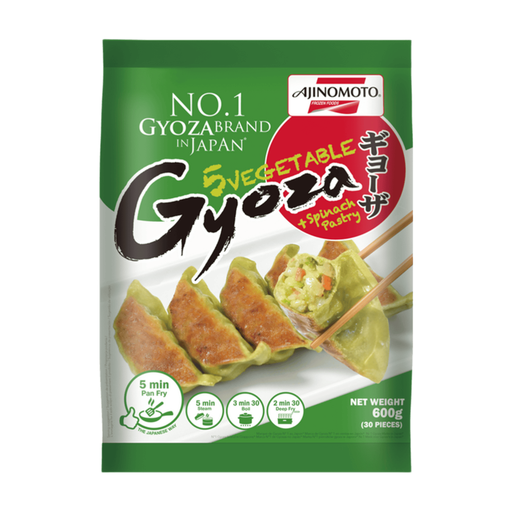
Why this fits the profile: A generous pack of vegetarian gyoza for a quick meal, party snack or addition to noodle soup. Cook only what you need per portion.
The product description explicitly states vegetarian and vegan suitability. Nevertheless, check the current packaging for allergens such as gluten, soya and sesame.
600 g pack, 55% vegetables according to the product information, and suitable for pan cooking.
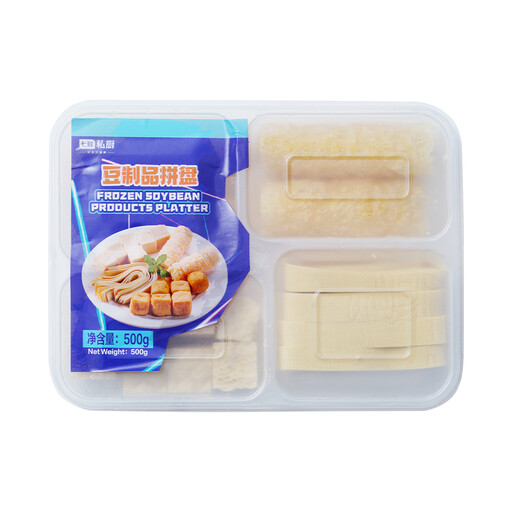
Why this fits the profile: For those who want to combine different textures in one hotpot without buying several separate packs.
The composition is clearly divided into frozen tofu, soya sheets, tofu puffs and fried tofu rolls, so you know exactly which textures you’re buying.
Four types of soya product, 500 g total, and clear cooking times for each component.
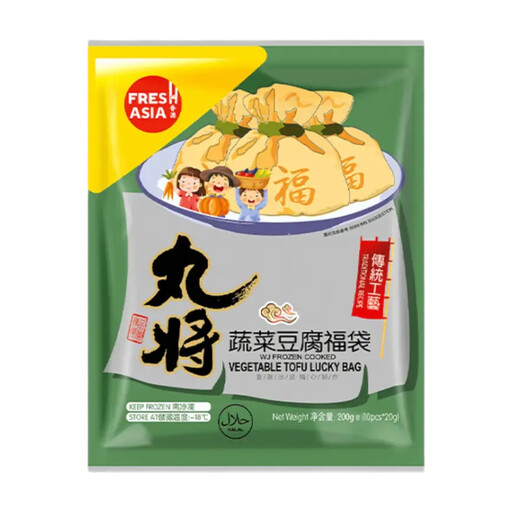
Why this fits the profile: For regular hotpot and soup cooks who want a compact portion with tofu skin, kelp, shiitake, radish and carrot.
You don’t need to thaw the product first. The preparation information states around five to six minutes of cooking in broth.
200 g portion, can be cooked straight from the freezer, and suitable for hotpot, soup and stews.
For a dessert, you could also choose Fresh ASIA Taiwanese Three-Color Taro Balls, Fresh ASIA Mini Rice Ball, mochi with azuki bean or frozen mango. If you’re after tropical fruit, you might also look at frozen durian or jackfruit. Always check the portion size, any stones and the thawing procedure for fruit.
We’ve put together a full, up-to-date list of products that fully meet these strict selection criteria and comply with current European safety regulations.
The best-before date is on the packaging. Store products at -18 °C or below and avoid temperature fluctuations. After thawing, follow the instructions on the label and do not usually refreeze the product.
No. Tofu, vegetables and fruit are not automatically vegan when they form part of a composite meal. Check for egg, milk, fish, shellfish, soya, wheat and sesame in the ingredients list. The preparation method or brand description may give an indication, but the label is what counts.
Start with products that need little preparation, such as tofu puffs, tofu rolls, vegetable gyoza and a tofu lucky bag. Dried soya strips are suitable if you have time to soak them first. Add the ingredients in small portions so the broth stays boiling and each product cooks through completely.
