
Same-day & Next-day Delivery

Quality Guaranteed

Unlock Your Welcome Offers: FREE Delivery | Up to 80% OFF | Free 30-day JoyPlus trial
Download the APP
Asian frozen foods make it easy to prepare dim sum, hotpot or a quick snack at home. However, the range is extensive, and product names can promise more than the packaging delivers. If you focus only on an appealing photo or a low price, you risk buying a product that does not suit the dish you want to make, your dietary requirements or the time you have available for preparation.
These checks will help you quickly identify which Chinese frozen foods, dumplings, bao buns and hotpot ingredients are suitable for your household.
A 500 or 800 g pack may look appealing, but also consider the number of portions and your storage options. A large pack is useful for a family or a hotpot evening, while a smaller pack may be more suitable if you only eat dim sum occasionally. Once defrosted, many frozen foods must not be refrozen.
In fish balls, dumplings and meat products, flavourings, soya, wheat, egg or shellfish may be part of the recipe. For example, a product with “prawn flavour” does not automatically contain a large amount of prawn. Check the ingredients list and allergen information rather than relying on the product name alone.
It is also important to look beyond the name when buying vegetarian duck. According to the product information, Wuxianzhai Vegetarian Duck contains wheat gluten and soya-based tofu skin. This makes it suitable for certain vegetarian or vegan diets, but not for people avoiding gluten or soya.
Many Asian frozen foods are raw or need to be heated thoroughly. Gyoza can be fried or steamed in a few minutes, but always follow the instructions on the packaging. Some products need to reach a specific core temperature. Do not eat frozen siu mai, glutinous rice balls or wontons straight from the packaging.
Most products in this category must be stored at -18 °C or below. When your order arrives, check that the packaging is still properly frozen and shows no obvious signs of defrosting. Then place the products in the freezer as quickly as possible.
Also pay attention to the difference between frozen and chilled products. For example, Wuxianzhai Vegetarian Duck states a storage temperature of 0–4 °C, while many other products in the range must be stored at -18 °C. Do not rely on the product name alone.
At a minimum, check the following:
FRESHASIA Handmade Glutinous Rice Siu Mai contains 35% glutinous rice, while the filling includes bamboo shoots, shiitake mushrooms, carrot and onion. The packaging also lists gluten and soya as allergens. This makes the product easier to assess than a general description such as “vegetable snack”.
Choose a product that suits your kitchen. Bao buns, siu mai and ha kau generally require a steamer basket. Gyoza can often be prepared in a frying pan. Hotpot ingredients such as beef slices and fish balls are more practical if you have a pan of stock available.
Check whether defrosting is required. Several products can be prepared straight from the freezer:
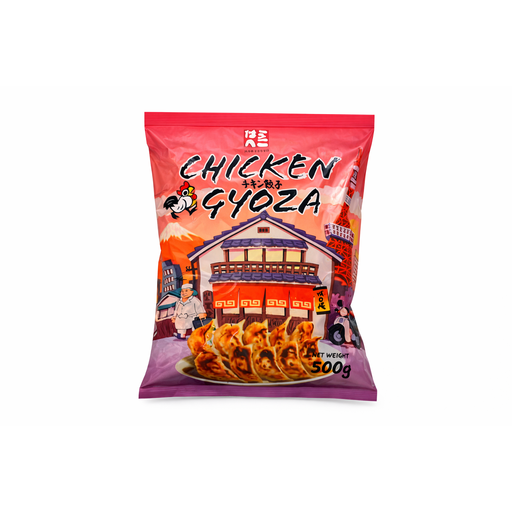
Why it suits this profile: A versatile starting point for anyone looking to make a snack or side dish with minimal preparation. The gyoza can be pan-fried, deep-fried or steamed.
The preparation instructions state that defrosting is not required. However, check the allergens: the product contains wheat and soya.
500 g pack; suitable for pan, deep fryer and steamer basket; cook from frozen.
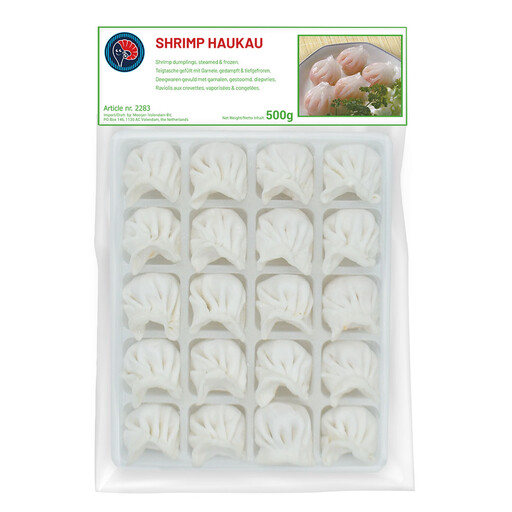
Why it suits this profile: Ideal for anyone wanting to put together a more elaborate dim sum experience at home, with steamed prawn dumplings and dipping sauce.
The product information states that it contains 25% prawn and also identifies fish, gluten, sesame and soya as allergens.
500 g pack; steam from frozen; bamboo shoots and tapioca starch in the recipe.
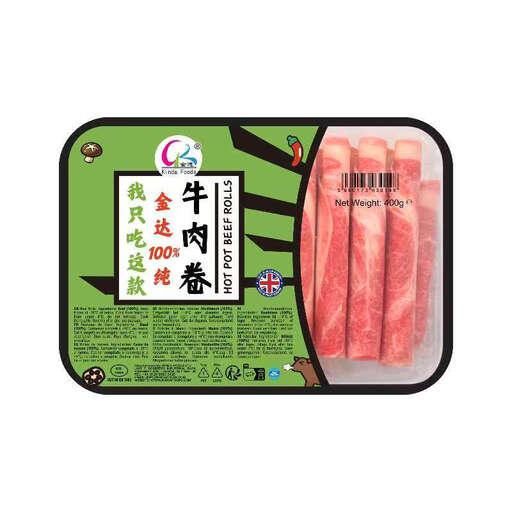
Why it suits this profile: A practical choice for regular hotpot meals or quick stir-fries where evenly sliced meat is useful.
The ingredients list states 100% beef. Store the product at -18 °C or below and heat it thoroughly.
400 g; thinly and evenly sliced; suitable for hotpot and stir-frying; no allergens listed.
We have put together a complete, up-to-date list of products that fully meet these strict selection criteria and the applicable European safety regulations.
For a vegetarian meal, you can pair Wuxianzhai Vegetarian Duck 280g with rice, noodles and stir-fried vegetables. If you want to fill a dim sum platter, consider siu mai, bao buns such as delico Cha Sieuw Bao 270g, or custard buns. For dessert, Taiwanese taro balls and glutinous rice balls with peanut-sesame or yam filling work well in sweet soup, tofu pudding or shaved ice.
For a hotpot, you can complement beef slices with fish balls, lobster flavoured fish balls, wontons and a mixed pack of hotpot meatballs. Take extra care when checking the allergens in mixed products, as a single pack may contain several types of fish, meat, shellfish, egg, soya and gluten.
Follow the method on the packaging. Gyoza can often go straight from the freezer into the pan, while siu mai, ha kau and bao buns can be placed directly in a steamer basket. Glutinous rice balls and some dumplings are added straight to boiling water. Make sure the filling is piping hot throughout before serving.
Store them unopened at the stated temperature, usually -18 °C or below, and follow the best-before date on the packaging. Once defrosted, follow the instructions for chilled storage and consumption. Do not refreeze a product once it has thawed.
Gyoza, bao buns, spring onion pancakes and fish balls are practical because they require little preparation. For a complete meal, serve them with rice, noodles, stock and fresh vegetables. Before ordering, pay particular attention to the preparation time, portion size and allergens.
