
Same-day & Next-day Delivery

Quality Guaranteed

Unlock Your Welcome Offers: FREE Delivery | Up to 80% OFF | Free 30-day JoyPlus trial
Download the APP
Asian frozen foods make it easy to prepare dumplings, hotpot ingredients, dim sum and desserts at home. However, not every pack is equally suitable for your household. An appealing photo tells you little about portion size, allergens or preparation time.
So pay particular attention to these common pitfalls:
When comparing Chinese frozen foods and other Asian products, look at more than just the flavour. Check the ingredients too. For example, a fish ball may contain fish as well as soya, egg, wheat or crustacean extracts. Wheat gluten and soya are common ingredients in vegetarian meat substitutes.
Pay attention to three things:
A product with a short ingredients list is not automatically suitable for everyone. If you have allergies, you should also take the statement “may contain traces of” into account.
“Easy to prepare” does not mean the same thing for every product. Frozen dumplings such as gyoza can be fried, steamed or deep-fried. Other products, such as taro balls and rice balls, need to be boiled first.
Practical examples:
Always check the packaging. The stated time depends on the quantity, pan or steamer basket and the temperature of the appliance. Do not eat frozen products raw when the label states that they must be heated.
A 200 g pack is handy for a small dessert or as an addition to a meal. For a group, packs of 400 to 800 g are more practical, such as hotpot beef slices or beef rolls.
When receiving and storing your order, check the following:
A broken cold chain is not always immediately obvious. Only order as much as you can store properly in your freezer, and put frozen products away as soon as possible after delivery.
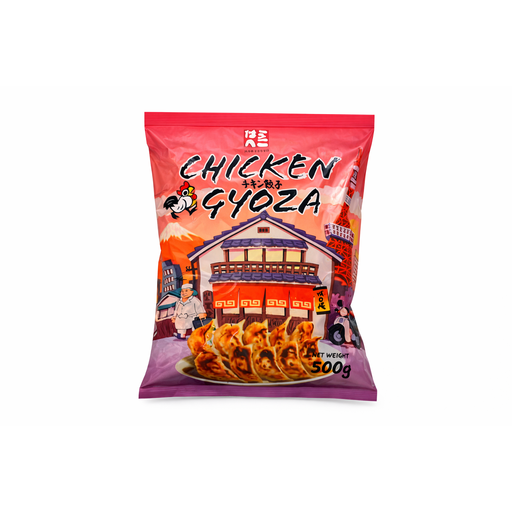
Why it suits this profile: A versatile starting point for anyone who wants to prepare Asian snacks or a side dish quickly. The gyoza can be fried, steamed or deep-fried straight from frozen.
The preparation methods and times are clearly described. The packaging also lists wheat and soya as allergens.
500 g, three preparation options and a filling with chicken, cabbage, onion and leek.
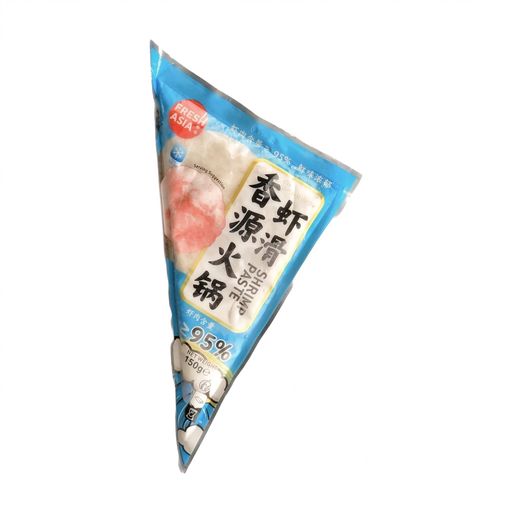
Why it suits this profile: Ideal for hotpot enthusiasts looking for a clearly stated main ingredient and a short preparation time.
The product information states that it contains 95% prawns and provides separate instructions for thawing, boiling and steaming.
150 g, 14 g of protein per 100 g according to the product information, and suitable for hotpot, boiling and steaming.
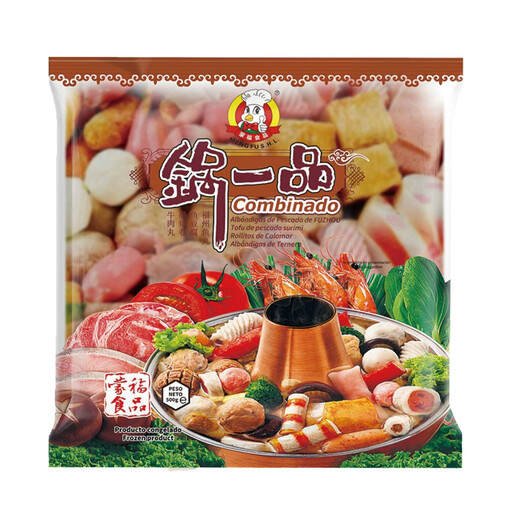
Why it suits this profile: A practical mix for groups who want to serve a variety of hotpot ingredients without buying several types of meatballs.
The mix and preparation method are clearly described: cook directly from frozen for approximately 5 to 7 minutes.
Four varieties in one pack: Fuzhou fish balls, stuffed pork meatballs, squid rolls and beef meatballs.
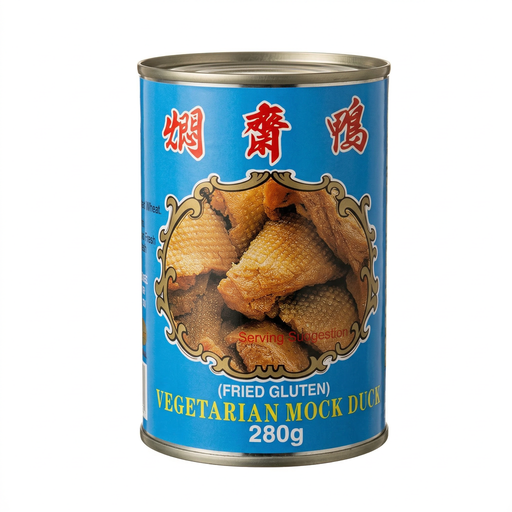
Why it suits this profile: A plant-based option made with wheat gluten and tofu skin, suitable for stir-fries, stews or serving with rice and noodles.
The product information explicitly mentions wheat gluten and soya. This makes it easier to match your choice to a vegetarian or vegan diet and any allergies.
280 g, 15 g of protein per 100 g according to the label, and three stated preparation methods.
We have put together a complete, up-to-date list of products that fully meet these strict selection criteria and the applicable European safety regulations.
For an easy evening meal, combine gyoza with steamed rice, pak choi and a dipping sauce. For hotpot, fish balls, meatballs, prawn paste and thinly sliced beef work well with vegetables, tofu and noodles.
If you want to put together a dim sum spread, combine bao buns with siu mai and a savoury snack such as Shanghai scallion pancake. For dessert, Taiwanese taro balls or filled glutinous rice balls are delicious in sweet soup, tofu pudding or with red beans.
Store them at -18 °C or below and follow the best-before date on the packaging. Quality may change after prolonged storage. Once thawed, a product should not be refrozen unless the label expressly allows it.
Not always. According to the product information, Khy Chicken Gyoza can be fried, deep-fried or steamed straight from frozen. For some products, such as prawn paste, the instructions specifically state that it must be fully thawed in the fridge first. Always check the specific preparation instructions.
Gyoza, bao buns, fish balls, rice balls and Shanghai pancakes are practical choices. Preparation times range from a few minutes of boiling or frying to around 10 minutes of steaming. Choose according to your appliance, portion size and the allergens you need to avoid.
