
Vandaag of morgen in huis

Kwaliteit gegarandeerd

Welkomstaanbiedingen ontgrendelen: GRATIS bezorging | Tot 80% korting | Gratis 30 dagen JoyPlus-proefperiode
Download de app
A bag of Asian frozen products often looks like a straightforward purchase: keep it in the freezer, cook it briefly and serve. However, there are clear differences in fish content, pack size, allergens, preparation and intended use. If you choose based solely on attractive packaging or a phrase such as “authentic flavour”, you could end up with a product that is too salty, unsuitable for your dish or impractical for the number of people you are serving.
This guide will help you choose from fish cakes, fish cake, fish balls, tofu fish, surimi crab sticks, narutomaki and Japanese taiyaki.
“Fish cake” could mean a soft fish cake, a fried Korean snack or a firm fish ball. Tofu fish does not automatically refer to a vegetarian product either. In many varieties, fish is the main ingredient, combined with ingredients such as soya, starch, oil or egg.
Therefore, always check:
For a family, 450 or 500 grams can be practical. For a small hotpot or a first taste, 160 or 200 grams may help prevent waste. Do not just compare the price per pack; also compare the price per 100 grams and the amount you are actually likely to use.
Also pay attention to product sets. A pack containing several bags may be convenient, but check whether it contains one product or a combination of different ingredients.
Many frozen fish products still need to be heated thoroughly. This applies, for example, to fish cakes and fish balls. A surimi crab stick may be eaten straight after defrosting according to the product description, while other products specifically require cooking.
Follow the preparation instructions on the packaging. Do not defrost a product more than once or refreeze it after it has thawed.
The fish percentage provides a useful point of comparison, but it does not tell you everything about flavour or texture. According to the product information, the Asian Pearl Panga Fish Balls contain 95% pangasius. The Freshasia WJ Tofu Fish contains 38% minced fish meat, as well as ingredients including soya oil, tapioca starch and protein powder. The Hanss Fish Cake 500g lists 60% surimi.
A higher fish percentage may be appealing if you are looking for a more pronounced fish flavour and a firmer texture. For broth, stir-fries or snacks, texture, seasoning and shape can be just as important.
Choose the shape according to the dish:
Check the allergens before buying. In this category, fish, soya, egg, wheat, gluten, sesame and sometimes peanuts are common. Hanss Fish Cake lists fish and soya. Freshasia WJ Tofu Fish contains fish, egg and soya. KHY Taiyaki contains wheat and soya. Master Kong noodles with shrimp fish cake flavour list, among others, wheat, soya and sesame and may also contain other allergens according to the product information.
Also pay attention to salt content. Hanss Fish Cake lists 1.8 grams of salt per 100 grams, while Delief Busan Fish Cake lists 1.4 grams per 100 grams. These figures are based directly on the nutritional information supplied; always check the current label before buying.
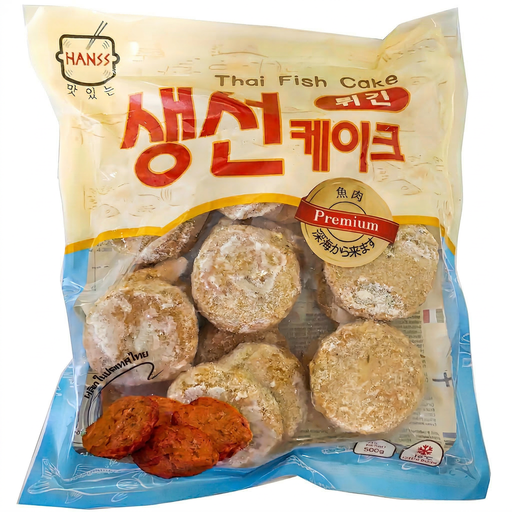
Why it suits this profile: A 500-gram pack is practical for families or a first hotpot shared by several people. According to the instructions, the product can be cooked directly from frozen.
The product information states 60% surimi, a clear net quantity and a preparation time of 3 to 5 minutes.
500 grams; suitable for soup, hotpot, oden and grilling; no defrosting required according to the preparation instructions.
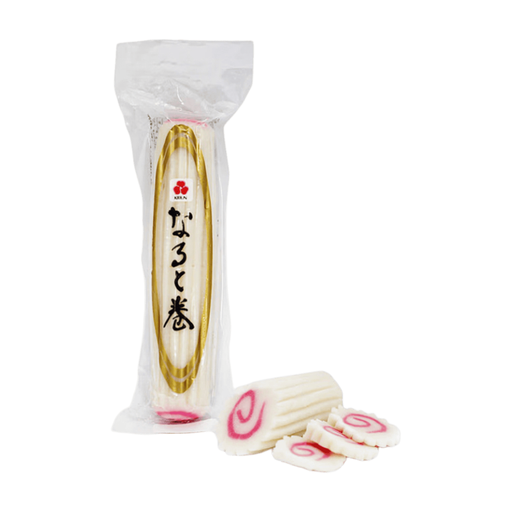
Why it suits this profile: This Japanese narutomaki is designed for ramen and soup. Its pink swirl adds a distinctive look to a bowl of noodles.
Its intended use is clearly described: this is kamaboko for ramen, not a general snack with no stated purpose.
160 grams; from Japan according to the product information; suitable for slicing and adding to ramen.
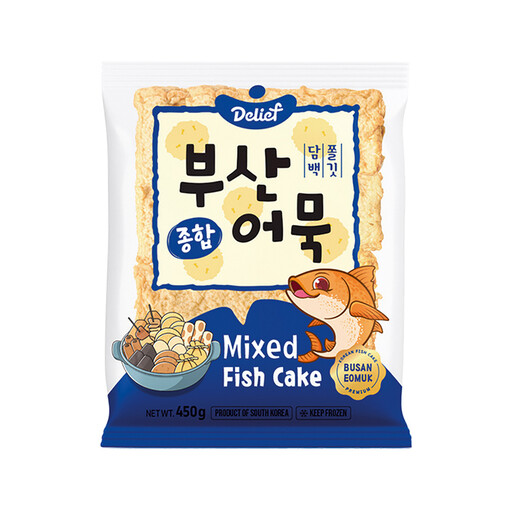
Why it suits this profile: An assortment is convenient if you want to prepare Korean hotpot, oden and a range of quick Asian meals without buying several shapes separately.
The product description specifies the fish base, origin and suggested uses. This makes it easier to match the product to soup, stir-fries or hotpot.
450 grams; an assortment of Busan fish cake; suitable for soups, stir-fries and hotpot.
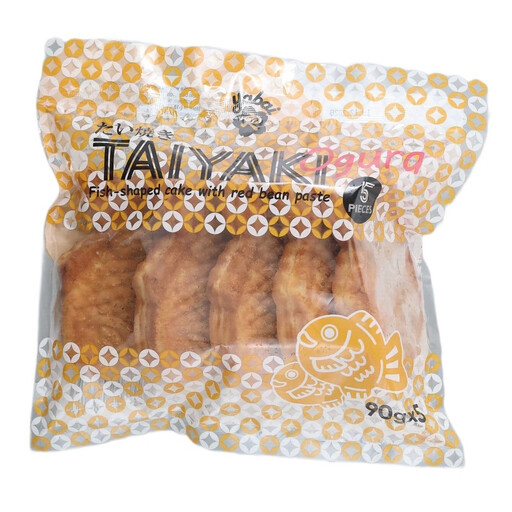
Why it suits this profile: This Japanese taiyaki is a sweet frozen snack filled with adzuki beans. The pack contains five pieces weighing 90 grams each.
The product information makes it clear that this is a dessert, not a savoury fish cake product for hotpot.
450 grams; five portions; filled with 13.9% adzuki beans according to the ingredients list.
We have put together a complete, up-to-date list of products that fully meet these strict selection criteria and the applicable European safety regulations.
Store frozen products at -18 °C or below, unless the packaging states otherwise. Plan the journey home carefully, particularly if it will take some time. Put the products in the freezer as soon as possible once you get home.
For hotpot, oden and soup, many fish cakes can be added straight from the freezer. Cooking times are often around 3 to 5 minutes, but always follow the label. For stir-fries, it may be easier to defrost the product fully and slice it. When deep-frying, use the temperature and cooking time specified by the manufacturer.
Take care to avoid cross-contamination when cooking for someone with an allergy. Wash chopping boards, knives and bowls after they have come into contact with fish, soya, egg or gluten, and check the current packaging.
Fish balls, tofu fish, Busan fish cake and various fish cakes are practical choices. They can often be added directly to boiling broth. Check whether the product still needs to be heated thoroughly and follow the stated cooking time.
The use-by or best-before information is shown on the packaging. Keep the product frozen continuously and follow the manufacturer’s instructions. Once defrosted, store it in the fridge according to the label and use it within the stated period. Refreezing is not recommended for the products mentioned.
Narutomaki is a Japanese kamaboko with a distinctive pink swirl, often used in ramen. Fish cake is a broad category of processed fish cakes in various shapes. Surimi crab sticks are fish products with a crab-like flavour and, according to the product information supplied, can be eaten straight after defrosting. Check the ingredients and allergens for each product.
