
Same-day & Next-day Delivery

Quality Guaranteed

Unlock Your Welcome Offers: FREE Delivery | Up to 80% OFF | Free 30-day JoyPlus trial
Download the APP
When you buy Asian frozen foods online, you’re usually looking to get a tasty meal on the table quickly, without having to visit several specialist shops. But fillings, cooking methods, packaging and allergens can vary considerably. An appealing photo or the word “authentic” doesn’t tell you much about what you’ll actually receive.
Use this guide to compare Chinese frozen foods, dim sum, dumplings, wontons, bao buns and other frozen Chinese snacks using verifiable product information.
A 900-gram bag may look like a good deal, but it won’t suit every household. Check the net quantity, the number of pieces and whether the product will be easy to store once opened. A large pack is particularly handy for families, parties or a hotpot meal shared by several people.
Many frozen foods still need to be heated all the way through. Dumplings, meatballs and bao buns are generally not ready-to-eat products. Check whether you need to boil, steam or fry them, or defrost them first. Don’t eat a product raw if the packaging says it needs to be cooked.
Words such as “authentic”, “generously filled” or “premium” are less useful than a quantitative ingredient declaration. For example, Sanquan Chinese Chive & Egg Dumplings are listed as having a filling of at least 45%. Oriental Kitchen Beef Meatballs are listed as containing 65% beef. These figures make it easier to compare products than general claims about flavour.
Check the ingredients list before you order. Many Chinese dumplings and wontons contain wheat, gluten, egg, soya, sesame, fish or crustaceans. A product may also be made on a production line that handles other allergens.
Pay attention to the order of the ingredients, too. If meat, vegetables or another main ingredient appears near the top of the list, it usually makes up a larger proportion of the product. Always check the latest packaging, especially if you need to consider an allergy or intolerance.
For example, Sanquan dumplings can be boiled for 5 to 6 minutes, steamed for 8 to 10 minutes or pan-fried until golden brown. Don’t mix products with different cooking times in the same pan without checking the instructions.
Most products in this selection need to be stored at -18 °C or below. According to the product information, defrosted food must not be refrozen. Plan your order for a time when you’ll be at home, and put frozen products in the freezer as soon as possible.
Check the condition of the packaging when your order arrives. A damaged bag, lots of loose ice crystals or a product that has clearly defrosted are reasons to check your order or the returns policy.
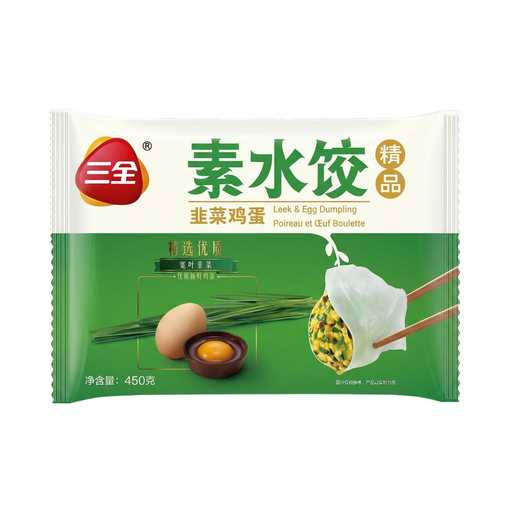
Why it suits this profile: A versatile pack for anyone trying dumplings for the first time and keen to experiment with different cooking methods.
The filling is specified as at least 45%, and the cooking options are clearly listed. Allergens such as gluten, egg and soya are declared.
450 grams; can be boiled, steamed or pan-fried; store at -18 °C or below.
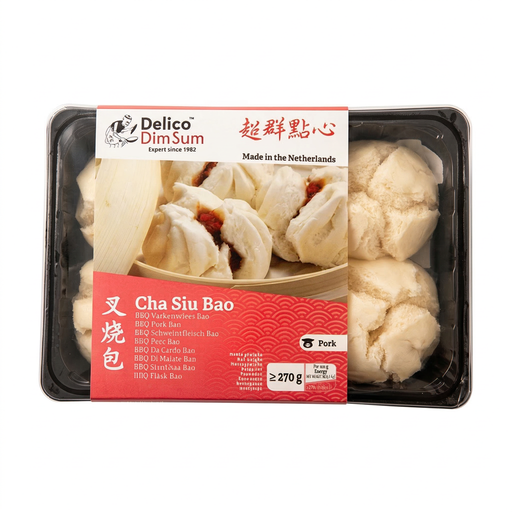
Why it suits this profile: Ideal for dim sum fans who want to serve steamed bao buns at home, filled with savoury, slightly sweet char siu.
The instructions are specific: steam from frozen for 8 to 10 minutes. Wheat, soya and sesame are listed as allergens.
270 grams; ideal as a snack or part of a dim sum meal; steam with no complicated preparation.
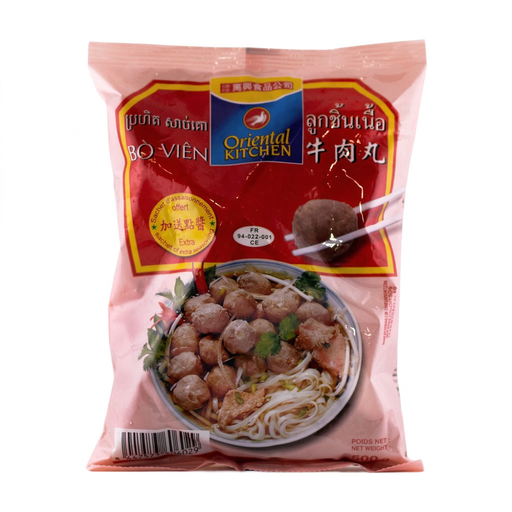
Why it suits this profile: A practical choice for regular hotpot meals, soups, stir-fries or grilled dishes.
The product information specifies a beef content of 65%. The instructions state that the product needs to be heated all the way through.
500 grams; suitable for a range of dishes; contains gluten and fish, which are listed as allergens.
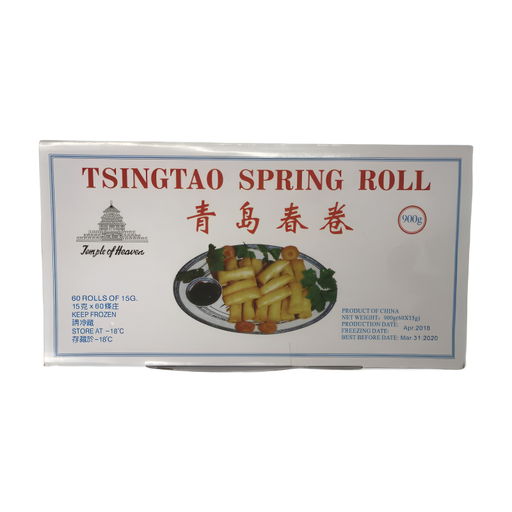
Why it suits this profile: The generous pack is ideal for get-togethers, family meals and occasions when you need several portions at once.
The product information specifies a mini size and vegetable filling, as well as a precise deep-frying temperature of 150 to 170 °C.
900 grams; vegetarian mini spring rolls; cook from frozen.
We’ve put together a complete, up-to-date list of products that meet these strict selection criteria and current European safety regulations.
Follow the instructions on the packaging and use plenty of boiling water. Add the dumplings carefully and stir gently at first to stop them sticking to the bottom. Boiling, steaming and pan-frying give different results, so choose the method listed for your product.
The best-before date is shown on the packaging. Keep the product at a constant -18 °C or below and observe the use-by date. Follow the specific instructions once it has defrosted. Many products must not be refrozen.
Dumplings, wontons, bao buns, meatballs and spring rolls need relatively little preparation. For a complete meal, serve them with rice, noodles, broth or vegetables. Check in advance whether you’ll need a steamer basket, oven, pan or deep-fat fryer.
