
Same-day & Next-day Delivery

Quality Guaranteed

Unlock Your Welcome Offers: FREE Delivery | Up to 80% OFF | Free 30-day JoyPlus trial
Download the APP
Asian frozen foods make it easy to prepare Chinese and other Asian dishes at home. There is no need to fold dough, make stock or spend hours in the kitchen. However, not every pack is equally suitable for your needs. A large quantity can be inconvenient, an appealing product name says little about the filling, and cooking instructions are sometimes overlooked too easily.
With this buying guide, you’ll know what to look for when choosing frozen dumplings, Chinese dumplings, dim sum, ha kau, gyoza, wontons, ramen noodles and Asian ready meals.
Words such as “authentic”, “restaurant-style” or “premium” are no substitute for verifiable information. Pay particular attention to:
A prawn dumpling with thin, translucent dough may look appealing, but also check how much prawn the filling actually contains.
A 1 kg pack or several bags can be cost-effective for families or people who eat them frequently. For one person, however, this size can take up unnecessary freezer space or lead to waste. Therefore, pay attention to portion size, individual packaging and IQF packaging. IQF stands for individually quick frozen; the products are generally kept separate, so you can prepare only the amount you need.
Many frozen dim sum products contain raw dough and uncooked filling. They must be heated thoroughly. Defrosting is not always necessary and can also affect the texture of the dough. Always follow the instructions on the packaging and do not refreeze a product once it has been defrosted.
The type of product determines how you should prepare it:
Also check the proportion of the main ingredient. For example, Freshasia Shrimp Dumpling 880g states that the filling makes up 55% of the product, of which 45% is prawn. delico Dim Sum Assortment 360g combines four types of dim sum: har gow, beef siu mai, pork siu mai and xiao long bao.
Asian frozen foods often contain wheat, gluten, soya, sesame, egg, fish or shellfish. Check the full ingredients list, even if you have bought the same brand before. Product recipes and packaging may change.
Take extra care with mixed products. FRESHASIA Pork and Corn Dumplings & Beef and Onion Dumplings & Sesame Rice Balls contains wheat, soya and sesame, among other ingredients; the rice balls contain black sesame. Meng Fu Wenzhou Large Wontons list egg, gluten, oysters, soya and sesame, among other ingredients.
If you have allergies or intolerances, the information on the current packaging takes precedence. Treat wording such as “may contain traces of” seriously.
Most products must be stored at -18 °C or below. When your order arrives, check that the frozen products are still frozen and place them in the freezer as quickly as possible. According to the product information, defrosted products must not be refrozen.
Cooking times vary depending on the size and type of product. Examples from the product information include:
For raw products, make sure they are heated thoroughly and do not eat the dough uncooked.
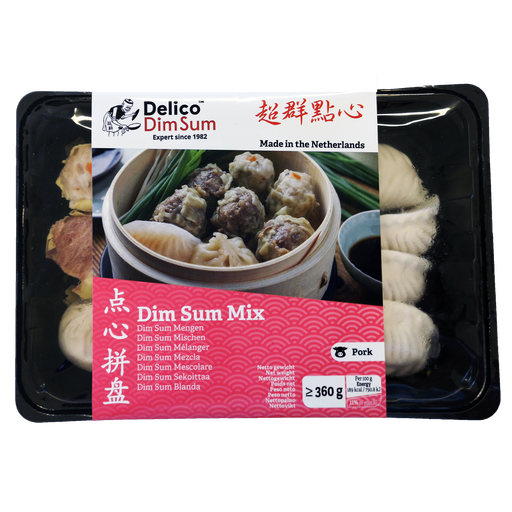
Why it suits this profile: A compact introduction to several classic types of dim sum, ideal for your first homemade steamed meal.
The variety makes it easier to compare flavours and textures without immediately buying several large packs.
Four varieties in one box, including 36% prawn in the har gow and 55% pork in the pork siu mai, according to the product information.
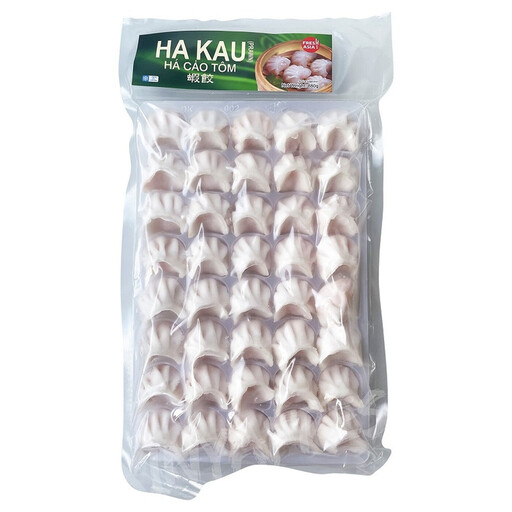
Why it suits this profile: Designed for prawn dumpling lovers who want a larger supply for several meals.
The product information states that the filling makes up 55% of the product, of which 45% is prawn. This gives you more useful information than a promotional name on the packaging alone.
880 g contents; transparent wheat-starch dough; designed to be steamed directly from frozen.
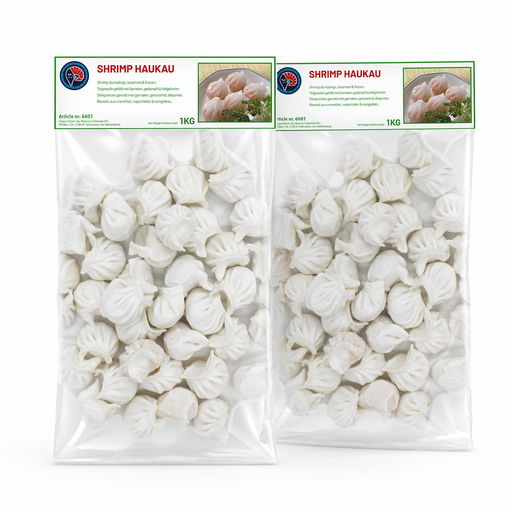
Why it suits this profile: A large pack for families, dinner parties or households that regularly serve ha kau.
The two separate 1 kg packs make stock management more straightforward than a single, un divided bulk pack.
2 × 1 kg; IQF packaging according to the product information; suitable for steaming and a range of meals.
For dim sum, use a steamer basket lined with perforated baking paper or a thin layer of oil to prevent the dough from sticking. Do not place the products against each other: the dough expands slightly during steaming. For gyoza, a non-stick pan works well. Fry them first in a little oil, then add water and cover with a lid, following the product instructions.
Ramen noodles are a convenient base for a quick meal. Combine them with stock, pak choi, egg or char siu. TCT Frozen Ramen 400g is a wheat noodle that must be boiled. For a ready-made option, Freasy Sweet Spicy Chicken or Freasy Sichuan Dan Dan Noodles are suitable when you mainly want to heat something up quickly.
For a more substantial menu, you can combine Chinese buns with mushroom and bamboo shoot, char siu or roast duck with rice, cucumber and a simple sauce. This allows you to order Asian food online without having to prepare everything from scratch at once.
We’ve put together a complete, up-to-date list of products that fully meet these strict selection criteria and the applicable European safety regulations.
Usually not. Many dumplings are designed to be boiled, steamed or fried directly from frozen. Defrosting can soften the dough and cause the dumplings to stick together. Always check the specific instructions on the packaging.
Store them at -18 °C or below and follow the use-by date on the packaging. Once defrosted, products should be kept chilled and eaten within the stated period. Do not refreeze them.
It depends on the pack size, portion size and product type. A large pack can be cost-effective per portion if you regularly eat dumplings or dim sum. For occasional use, an assortment or pack weighing a few hundred grams is often more practical. Therefore, compare the price per 100 grams, the number of portions and any additional ingredients you’ll need.
