
Same-day & Next-day Delivery

Quality Guaranteed

Unlock Your Welcome Offers: FREE Delivery | Up to 80% OFF | Free 30-day JoyPlus trial
Download the APP
Asian frozen products make it easy to prepare gyoza, kimbap, dim sum or Korean fried chicken at home. However, not every product is equally suitable for your household. An appealing photo or promise of “authentic flavour” tells you little about portion size, preparation and ingredients.
So focus mainly on the information you can verify. This helps you avoid finding that a pack is too small, a dish does not fit your kitchen appliance or a product contains allergens you wanted to avoid.
A family pack can be useful for a family, but three smaller packs may also be offered together as a single product. So check the net weight, number of pieces and quantity per serving. For example, a 230-gram pack may contain several portions, while a 450-gram meal is generally more suitable as a main course.
Preparation time varies by product and appliance. Some dim sum needs to be steamed, while kimbap is heated in the microwave. According to the product information, Korean fried chicken is intended for an air fryer or oven. So do not just look at the number of minutes; check the required equipment too.
Always follow the instructions on the packaging. For products such as wontons, it is also clearly stated that they must be cooked before consumption. They are therefore not suitable for eating raw.
Asian dishes regularly contain wheat, soya, sesame, egg, milk, shellfish or celery. Check the current packaging, as recipes and labels may change. With spicy products, the flavour description is not always enough either. A product with Buldak or gochujang flavour may be considerably hotter than expected for some people.
Most products in this category should be stored at -18 °C or below. Once your frozen goods arrive, place them in the freezer as soon as possible. Check the packaging for damage and make sure the product is still completely frozen.
Many products must not be refrozen after thawing. The product information for Cha Sieuw Bao, wontons and various snacks specifically states: do not refreeze after thawing. When ordering online, temperature-controlled delivery is therefore a practical consideration.
Compare products on a like-for-like basis, such as per 100 grams. Check the energy, fat, carbohydrates, protein and salt content. These figures describe the product’s composition; on their own, they do not tell you whether a meal suits your dietary pattern.
A few examples:
Choose a product that suits the equipment you use:
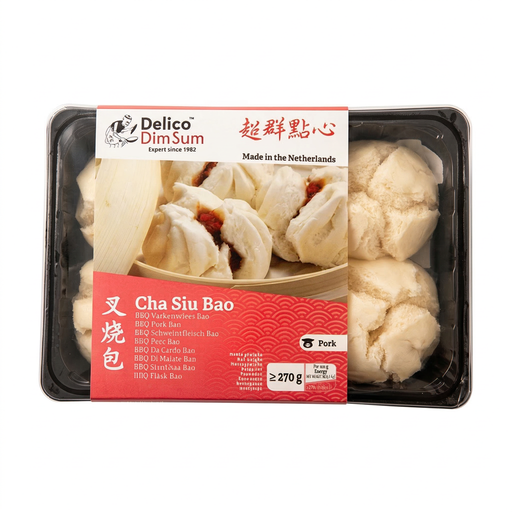
Why it suits this profile: Clear packaging and simple preparation make this bao a good introduction to Chinese dim sum.
The preparation time is clearly stated: steam from frozen for 8 to 10 minutes. Do check the wheat, soya and sesame allergens.
270 grams, filled with char siu, and suitable as a hot snack or part of a dim sum meal.
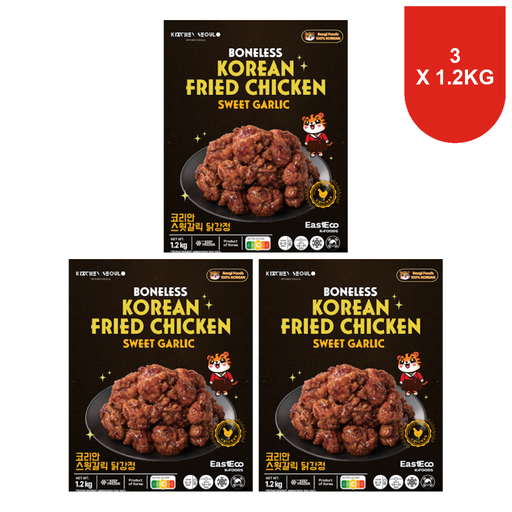
Why it suits this profile: A large pack is practical for families, entertaining or fans of Korean street food.
The product description clearly states that the chicken is already coated in sauce and is heated in an air fryer or oven. Check the available space and temperature settings beforehand.
1.2 kg Family Pack, sweet garlic sauce and preparation that does not require a deep-fat fryer.
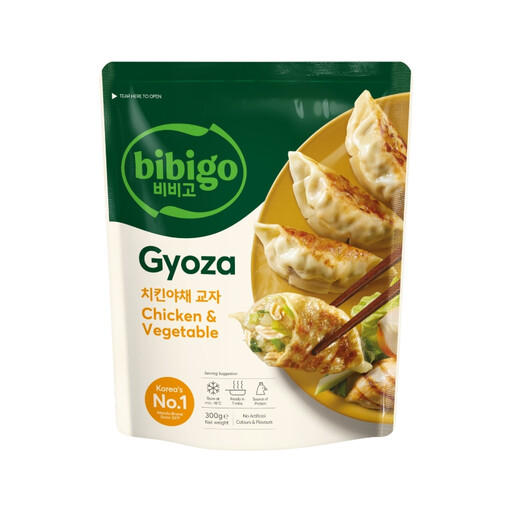
Why it suits this profile: Gyoza can be used as a main meal, side dish or snack, and fit neatly into a freezer stocked with a range of Asian products.
The packaging clearly states the product name and net weight. Before buying, check the full preparation instructions and allergens on the current label.
300 grams of chicken and vegetable gyoza, ideal for quickly adding to noodles, rice or a snack platter.
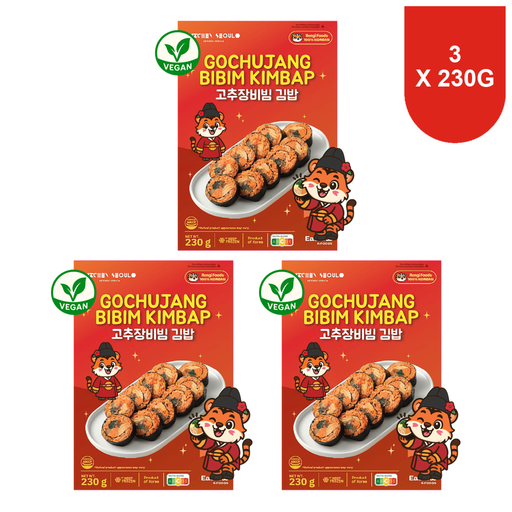
Why it suits this profile: This Korean rice roll is convenient for a quick lunch or light meal when cooking from scratch is not an option.
The product information specifies microwave preparation. The flavour is based on gochujang, so check that the level of heat suits your household.
Three 230-gram packs and a distinctive Korean flavour profile with gochujang.
We have put together a complete, up-to-date list of products that fully meet these strict selection criteria and the applicable European safety regulations.
Use this quick checklist before checking out:
Alongside Korean frozen products, this category also includes Japanese snacks, Chinese dim sum, biryani and other quick frozen meals. This means you can put together an order to suit different eating occasions.
Follow the date and storage instructions on the packaging. Products should generally be stored at -18 °C or below and placed straight in the freezer after delivery. After thawing, follow the instructions on the label and, in most cases, do not refreeze the product.
That depends on the product. delico Cha Sieuw Bao is steamed from frozen. According to the product information, Meng Fu Wenzhou Large Wontons can be added directly to boiling water. Always check the specific instructions from the brand when preparing gyoza.
Microwaveable kimbap, prepared Korean fried chicken cooked in an air fryer and portion packs of biryani are practical options. Choose based on portion size, the equipment you have available, allergens and your preferred preparation time.
