
Same-day & Next-day Delivery

Quality Guaranteed

Unlock Your Welcome Offers: FREE Delivery | Up to 80% OFF | Free 30-day JoyPlus trial
Download the APP
A freezer stocked with Asian frozen food makes a quick meal easy. Yet it can be tricky to choose online based only on a photo or an appealing product name. A packet might suggest a generous filling, for example, while you only discover how much dough, starch or seasoning is inside when you read the ingredients list.
The cooking method is also often underestimated. Some products can be steamed or boiled straight from the freezer, while others need to be thawed first. Always check the label, allergen information and storage instructions.
With frozen dim sum, Chinese dumplings and gyoza, the ratio of dough to filling matters. Look for the quantitative ingredient declaration, such as “meat 40%” or “fish 70%”. If no percentage is given, compare the order of ingredients: what comes first is usually present in the largest amount.
Fish balls with lobster or crab flavour don’t automatically contain the named shellfish as the main ingredient. For example, FRESHASIA Lobster Flavoured Fish Balls list 70% fish meat, plus artificial lobster flavouring and prawn seasoning. This is relevant information for both taste expectations and allergen control.
Frozen products should generally be stored at -18 °C or below until use. Once thawed, many products must not be refrozen. When ordering online, make sure you have enough space in your freezer and follow the instructions on the packaging after delivery. Products with raw fillings, such as gyoza, wontons and meatballs, must be cooked through completely.
Check not only for pork, chicken, fish or prawns, but also for:
If you’re cooking for several people, it’s a good idea to check the packaging again before you start cooking. Recipes and compositions can vary from product to product.
Choose a product that suits your kitchen and the time you have available. Many gyoza can be pan-fried, steamed or deep-fried without defrosting first. Siu mai and bao buns are usually steamed. Fish balls and meatballs for hotpot can go straight into boiling broth.
Pay attention to the difference between “reheating” and “cooking through”. For raw or partially cooked fillings, simply getting hot is not enough. Product information may specify a core temperature of 70 °C or higher; some meat products state 75 °C.
A pack of 200 to 300 grams is suitable for a snack, breakfast or small lunch. For a family or a hotpot with several guests, packs of 400 to 800 grams are more practical. Also compare the number of pieces. Thirty small gyoza can be more convenient for a family than a smaller pack of large dumplings.
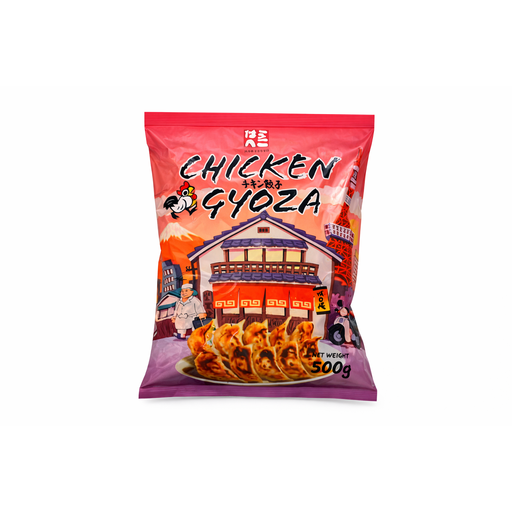
Why this fits the profile: A versatile pack for anyone making gyoza for the first time. The product can be pan-fried, steamed or deep-fried without defrosting.
The cooking instructions mention several methods and a short cooking time. Do check the listed allergens: wheat and soya.
500 g, chicken and vegetable filling, suitable for pan, steamer and deep fryer.
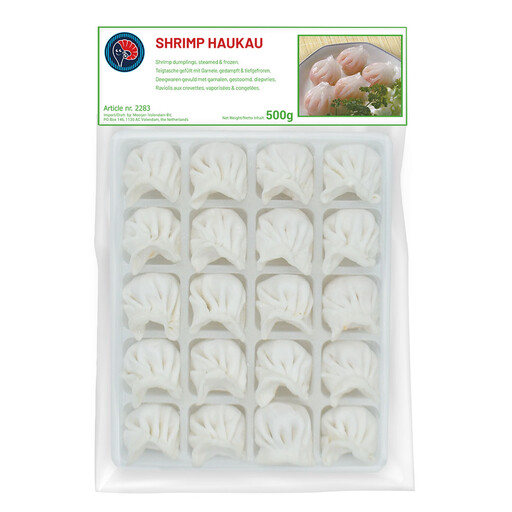
Why this fits the profile: Ideal for fans of steamed dim sum with prawns and bamboo shoots.
The composition states 25% prawn, 8% fish and 8% bamboo shoots. This lets you compare the product name with the ingredients.
500 g and steaming instructions of 8-10 minutes from frozen; contains crustaceans and molluscs, fish, gluten, sesame and soya.
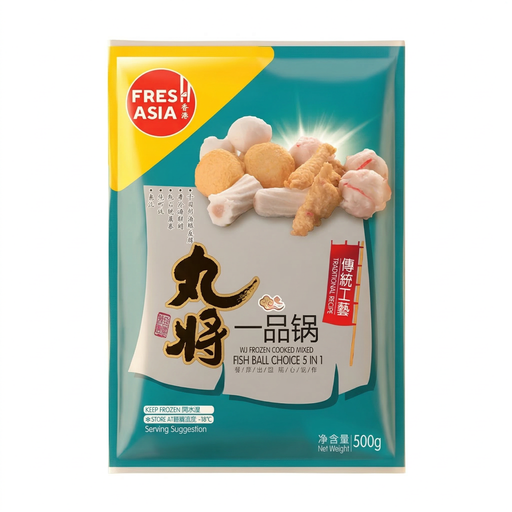
Why this fits the profile: Handy for regular hotpot meals, soups and stir-fries with multiple textures.
The packaging states 70% fish surimi and indicates the product can be cooked straight from the freezer.
500 g, five flavour varieties and suitable for hotpot, soup and stir-fry; contains fish, soya, egg, wheat and molluscs.
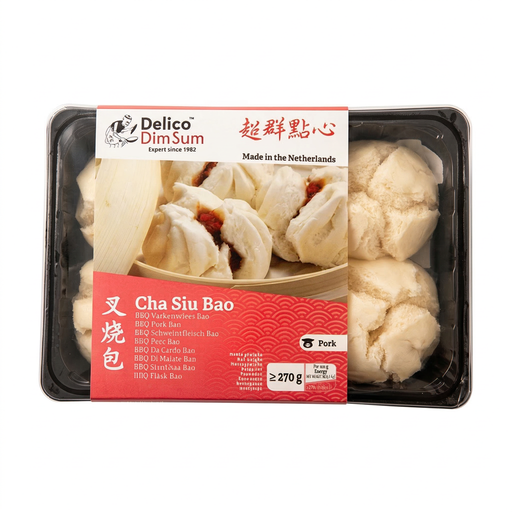
Why this fits the profile: A soft bao bun with char siu filling for breakfast, lunch or a quick Asian snack.
The cooking method is clear: steam for 8-10 minutes from frozen. The ingredients and allergens are listed separately.
270 g and suitable for cooking straight from frozen; contains wheat, soya and sesame.
We’ve put together a full, up-to-date list of products that fully meet these strict selection criteria and current European safety regulations.
Use a steamer basket with baking paper, a perforated liner or a thin layer of oil. Don’t let the pieces touch each other and follow the time on the packaging. When pan-frying gyoza, let them brown briefly first, then add water and cover with a lid.
The shelf life is stated on the packaging and applies at a constant temperature of -18 °C or below. Store opened packs tightly sealed and follow the manufacturer’s instructions. Once thawed, a product must not be refrozen.
Yes, many ready-to-eat Asian dishes, bao buns, siu mai, wontons and gyoza can be prepared in just a few minutes. Do check whether they still need to be cooked through fully and keep in mind allergens, portion size and the cooking method available.
