
Same-day & Next-day Delivery

Quality Guaranteed

Unlock Your Welcome Offers: FREE Delivery | Up to 80% OFF | Free 30-day JoyPlus trial
Download the APP
A quick Asian meal from the freezer sounds simple, but products can vary considerably in portion size, cooking method, ingredients and allergen information. A pack of Japanese dumplings, Chinese dumplings, onigiri or Korean chicken may seem like good value, but it won’t always suit your household or cooking routine.
This guide helps you compare Asian frozen food using details you can check. That way, you can avoid paying too much for a small portion, buying something that doesn’t suit your kitchen or only discovering at home that it contains ingredients you want to avoid.
A 600-gram bag sounds generous, but the number of portions depends on how you plan to serve the product. Gyoza can make a full meal with rice and vegetables, or it can be a side dish or snack. 100-gram onigiri are best suited to a quick lunch or snack.
So don’t just look at the weight. Check:
Terms such as authentic, traditional and restaurant-style don’t automatically guarantee a particular taste or recipe. It’s better to check the country of origin, filling, cooking method and ingredients list.
For example, Japanese gyoza, Chinese dumplings and Korean gyoza can all have different proportions of dough, meat and vegetables. Dim sum also varies from one type to another. A product containing prawns, pork or chicken also calls for a closer check of the allergen information.
Not every frozen product can go straight into the microwave. Some dumplings are designed for steaming, boiling or frying. You may need a steamer basket for dim sum. Spring rolls and Korean chicken can often be cooked in the oven, a pan or an air fryer, but cooking times and temperatures vary by pack.
Always follow the instructions on the packaging. Online product information can change, so the label on the product you receive takes precedence.
Individual portions are handy for students and busy households. You can take onigiri out of the freezer one at a time. A large bag of gyoza is a better choice if you’re feeding several people or planning ahead for multiple meals.
Also consider whether you’re buying a snack or a meal. Onigiri, spring rolls and small portions of dim sum are convenient for lunch or a snack. Gyoza, Chinese dumplings or Korean chicken make a more complete meal when served with vegetables, noodles or rice.
Before you buy, check whether you can use your preferred cooking method:
Cook or heat frozen products thoroughly, following the instructions. Products containing raw dough, such as some types of dim sum, must not be eaten uncooked.
Always check the allergens highlighted in bold on the packaging. Many Asian frozen products contain wheat, soya, sesame, egg, fish, crustaceans or milk. Product descriptions may also contain general or incomplete information. If there’s a discrepancy, the physical label takes precedence.
Also look out for seasonings such as soya sauce, sesame oil, sugar and flavour enhancers. Their presence doesn’t automatically make a product unsuitable, but it does help you compare different options fairly.
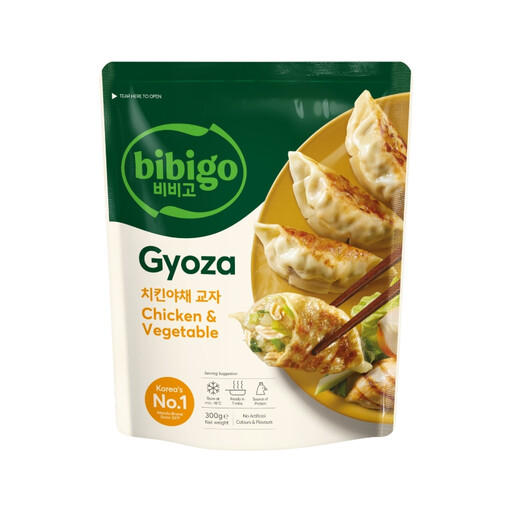
Why it suits this shopper: The smaller pack is a manageable choice if you’re trying gyoza for the first time or cooking for one. Serve the dumplings with rice, cucumber or a simple salad.
At 300 grams, it lets you avoid buying a large stock before you know how many pieces you’ll use per meal.
Filled with chicken and vegetables; a good base for a quick meal. Check the latest cooking and allergen information on the packaging.
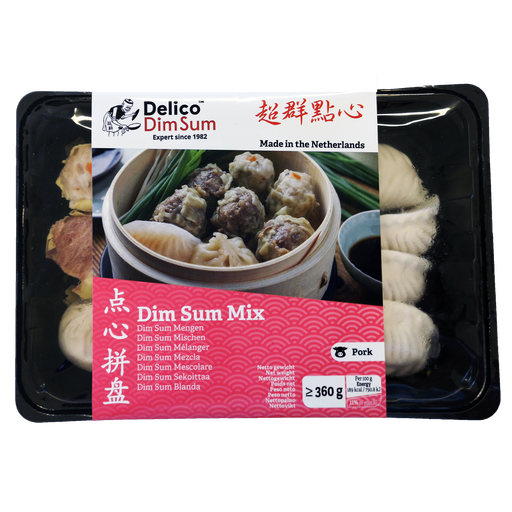
Why it suits this shopper: This selection box includes four types of dim sum, including har gow, siu mai and xiao long bao. It’s a good fit for meals at home when everyone wants to try something different.
The product information lists the individual varieties, ingredients and allergens. This gives you a clearer idea of what’s in the box than an assortment with no details.
Four varieties in one pack; can be steamed straight from frozen. Contains wheat, soya, sesame and crustaceans, among other ingredients.
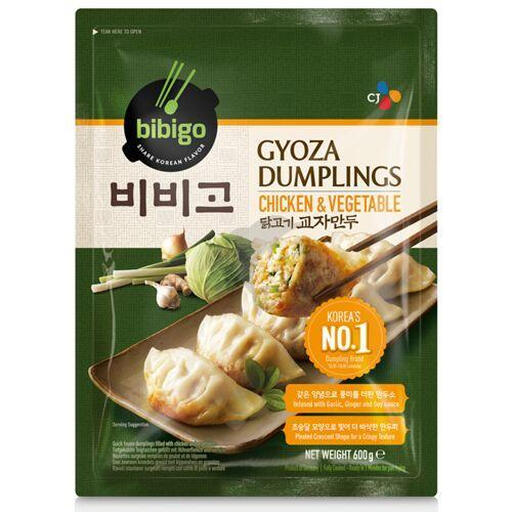
Why it suits this shopper: With 30 pieces and a total weight of 600 grams, this pack is suitable for regular gyoza eaters, families or stocking up the freezer.
The exact piece count and net weight make it easier to plan portions than a pack with no piece count.
Chicken and five types of vegetables; the product information lists Korea as the country of origin. Prepare according to the latest instructions on the packaging.
If you’re looking for an individual lunch, try onigiri with salmon mayonnaise, tuna mayonnaise or crispy chicken. These 100-gram portions are handy for work, study or a quick meal at home. Check whether the product needs heating and which allergens, such as egg, mustard or soya, are listed.
For a crispy snack, spring rolls or Korean chicken are good choices if you have an oven, pan or air fryer. According to the product description, Rengi Boneless Korean Fried Chicken Sweet & Spicy is delivered frozen; check the temperature and cooking time on the label.
If you’d rather cook for several people, serve Chinese dumplings or a larger pack of gyoza with pak choi, edamame, noodles or a dipping sauce. This lets you decide how many extra ingredients to add.
We’ve put together a complete, up-to-date list of products that meet these strict selection criteria and the applicable European safety regulations.
You usually don’t need to defrost gyoza first. Depending on the packaging, you can pan-fry, steam, boil or deep-fry them. When pan-frying, you’ll generally use oil and may need to add water to cook the dough through. Always follow the manufacturer’s instructions.
Store the products at the temperature stated on the packaging, usually in a freezer at -18 °C or below. The use-by date applies as long as the cold chain remains intact. After defrosting, keep the product chilled and use it within the stated time. Don’t refreeze it.
That depends on the product. Many types of gyoza, dumplings, dim sum and onigiri contain one or more allergens. Always check the latest ingredients list and allergen information on the packaging. If in doubt, it’s best not to eat the product.
