
Vandaag of morgen in huis

Kwaliteit gegarandeerd

Welkomstaanbiedingen ontgrendelen: GRATIS bezorging | Tot 80% korting | Gratis 30 dagen JoyPlus-proefperiode
Download de app
With Asian frozen food, you can quickly stock up on ingredients for Chinese dim sum, hotpot, noodle dishes and desserts. However, not every product is equally suitable for the way you cook. A packet may promise convenience, yet you may still need to spend a long time steaming or defrosting it at home, or use several pans.
That is why the right choice starts not with an attractive picture, but with the preparation method, allergen information, portion size and storage temperature.
Some Asian snacks can be eaten straight away, such as individually wrapped seaweed rice crackers or a tofu snack. Other products are raw or partially prepared and must be heated thoroughly. This applies, for example, to frozen dumplings, fish balls, meatballs, taro balls and bao buns.
Always check whether the packaging states:
A product that only needs steaming is convenient for a quick meal, while a product intended for hotpot can go straight from the freezer into the stock.
When buying Chinese dim sum and Asian snacks, a 500 or 600-gram packet may seem appealing. But if you live alone or have limited freezer space, a smaller packet may be more practical. Once defrosted, many products must not be refrozen.
Pay attention to:
A 200-gram packet may be enough for a dessert or a small hotpot meal. For a family or dinner party, 600-gram dumplings or 500-gram Ha Kau make more sense.
For seafood products, the ingredients list is important. According to the product description, Fresh ASIA Snow Crab Legs are made from fish surimi with crab extract. According to the product information, FreshASIA Lobster Flavoured Fish Balls contain 70% fish meat and artificial lobster flavouring. This does not mean that these products are the same as fresh crab or lobster meat.
So check:
The preparation method determines whether a product suits your kitchen. Bao buns are usually steamed. According to the product information, Delico Cha Sieuw Bao is steamed from frozen for 8 to 10 minutes. Sanquan custard buns require approximately 10 to 12 minutes of steaming.
Other examples:
Most products must be stored at -18 °C or below. When your delivery arrives, check that the packaging is still thoroughly frozen and place the products in the freezer as soon as possible. Products that have defrosted must not be refrozen, in accordance with the stated instructions.
For frozen food, the difference between “keep frozen” and “refrigerate after defrosting” is also relevant. According to the product information, Snow Crab Legs should be defrosted in the fridge and are then ready to eat. A raw dumpling or taro ball, on the other hand, still needs to be cooked.
Many Asian frozen foods contain wheat, soya, sesame, egg, fish or shellfish. This includes wontons, gyoza, prawn snacks and some bao buns. Read the allergen information on the packaging, even if you have bought the product before.
Nutritional values can vary considerably. For example, a sweet rice ball with peanut and sesame contains more carbohydrates and sugars than a portion of fish balls. For a complete meal, you can therefore add vegetables, stock, mushrooms or a small portion of noodles.
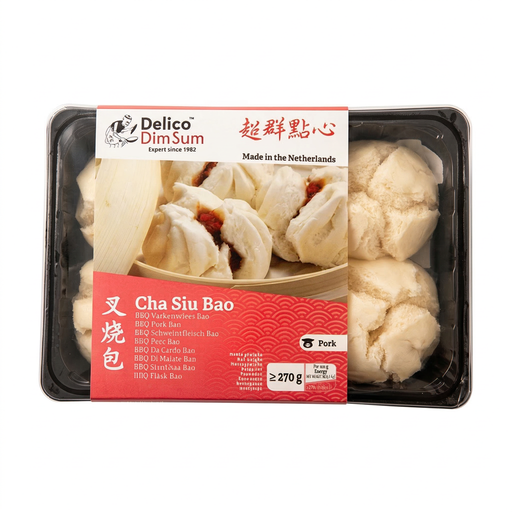
Why it suits this profile: These bao buns are easy to steam and ideal for a quick lunch, snack or introduction to dim sum at home.
The preparation instructions are clear: steam from frozen for 8-10 minutes. There is no need to defrost them first.
270 grams, prepared by steaming and filled with Cantonese-style pork. Please note: contains wheat, soya and sesame.
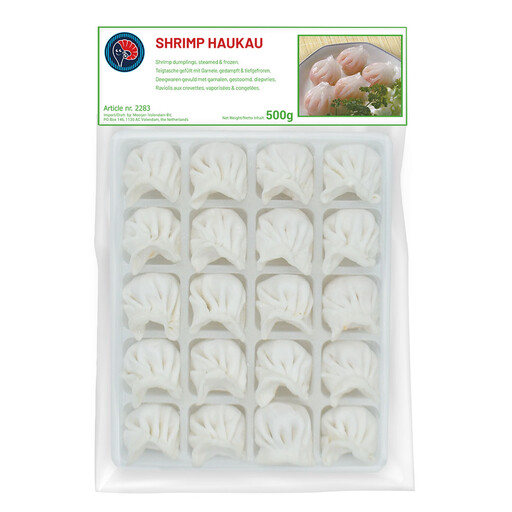
Why it suits this profile: A generous pack for a dim sum meal or dinner party, with steaming as the recommended preparation method.
The packaging states that it contains 25% prawn, fish and bamboo shoots, with a steaming time of 8-10 minutes from frozen.
500 grams and suitable for steaming. Contains shellfish, fish, gluten, sesame and soya.
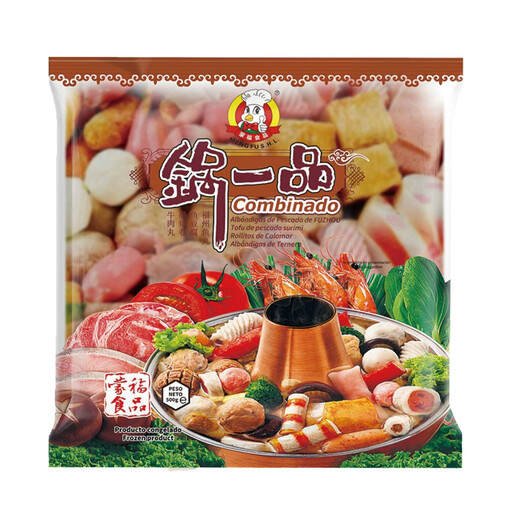
Why it suits this profile: The combination of four types of meatball is ideal if you regularly prepare hotpot, soup or stock-based dishes.
The four varieties are clearly specified, so you are not simply buying an unclear mixed filling.
500 grams containing Fuzhou fish balls, pork meatballs with a filling, squid rolls and beef meatballs. Cook from frozen.
We have put together a complete, up-to-date list of products that fully meet these strict selection criteria and the applicable European safety regulations.
For a simple meal, you can combine frozen dumplings with Chinese pancakes, stir-fried vegetables and a light soya dipping sauce. For hotpot, fish balls, meatballs, shiitake mushrooms, noodles and mini fried dough sticks are ideal. Add the ingredients gradually so that items with different cooking times do not become too soft.
For dessert, taro balls, rice balls with peanut and sesame, or rice balls with yam filling are all good options. Boil them in plenty of water until they float to the surface, then follow the additional cooking time stated on the packaging. According to the product information, Fresh ASIA taro balls can be served in syrup, red bean soup, tofu pudding or on shaved ice.
That depends on the product. Many dumplings, bao buns, fish balls and meatballs can be boiled or steamed straight from the freezer. Always follow the instructions on the packaging. Products such as surimi crab legs, however, should be defrosted in the fridge.
Store it at -18 °C or below and follow the use-by date on the packaging. Once defrosted, follow the instructions and do not refreeze the product. Shelf life may vary from one product to another.
The price per packet is not the only factor. You often save preparation time and do not need to buy as many separate ingredients. Compare the price per 100 grams, the number of portions and the preparation time. For regular use, larger packets can offer better value, provided you use them according to the correct storage instructions.
