
Same-day & Next-day Delivery

Quality Guaranteed

Unlock Your Welcome Offers: FREE Delivery | Up to 80% OFF | Free 30-day JoyPlus trial
Download the APP
Asian frozen buns are handy for a quick breakfast, lunch or hot snack. Many varieties go straight from the freezer into the steamer basket. However, Chinese baozi, filled Chinese buns, sweet bao and soup buns can differ considerably in their fillings, preparation methods and allergens.
If you choose based only on an attractive product photo or words such as “traditional”, you could be in for an unpleasant surprise. Read on to find out what to look for before buying Asian frozen buns.
“Ready to eat” does not always mean you can eat frozen products straight away. Some buns are already cooked but still need to be heated through thoroughly. Other products have preparation instructions that differ from the usual method. For example, the product information for Freshasia Taro Bun 390g lists deep-frying in oil as the preparation instruction, while the product description also mentions steaming. So always check the packaging and the latest instructions on the product page.
Vegetarian does not automatically mean free from all animal products or common allergens. A vegetarian bao, for example, may contain wheat, soya, sesame, garlic or sulphites. Some products also carry a separate warning about milk, egg, shellfish or possible traces.
Pay particular attention to the allergens shown in bold on the label. When ordering online, the product information is a useful first check, but the packaging takes precedence.
A 480 or 510 g pack may contain different numbers of buns. The size of each bun determines how many you need for breakfast, lunch or a snack. So compare not only the price per pack, but also the net weight, number of pieces and serving size.
Popular savoury bao fillings include chicken, mushroom, vegetables, bamboo shoots and pickled cabbage. A chicken and mushroom bun has a different texture and flavour from a fully vegetarian bao. Also check the proportions of key ingredients. According to the product information, Fresh ASIA Mushroom Chicken Thigh Bun contains 15.8% chicken and 2.1% mushroom.
For a vegetarian option, look for radish, carrot, glass noodles, shiitake, tofu skin or bamboo shoots. If you’re after a dessert or sweet snack, options include taro, black sesame, red bean, brown sugar and purple sweet potato.
Many steamed buns are ready in about 8 to 12 minutes straight from the freezer. The exact time depends on the size and filling. Don’t place the buns too close together, so the steam can circulate around them. A sheet of perforated baking paper will stop the bases sticking.
Take extra care with soup buns. The Siu Long Soup Bun contains hot liquid after steaming. Leave it to cool briefly and eat it carefully. The product information recommends steaming without defrosting and gives 10 to 12 minutes as a guide.
Frozen dim sum should generally be stored at -18 °C or colder. Keep the pack out of the freezer for as little time as possible during transport. According to the product information, once defrosted, most products should not be refrozen. Check the use-by date and follow the instructions on the packaging.
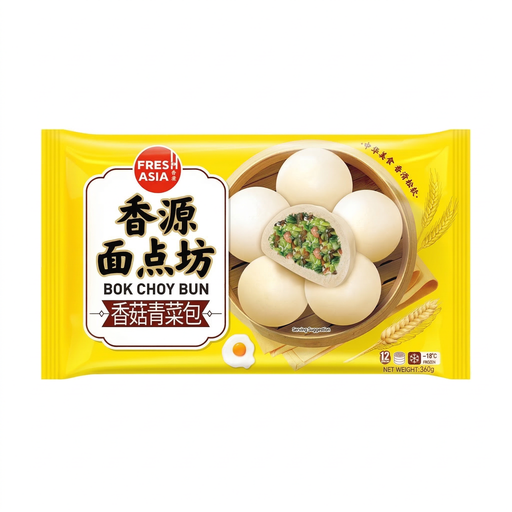
Why it suits this profile: This vegetarian bao has a mushroom and vegetable filling, making it a good choice for a simple breakfast or light lunch.
The weight is clearly stated as 360 g and the product information says to steam it. Be sure to check the allergens: it contains wheat and soya.
Vegetarian mushroom and vegetable filling; suitable for steaming from frozen.
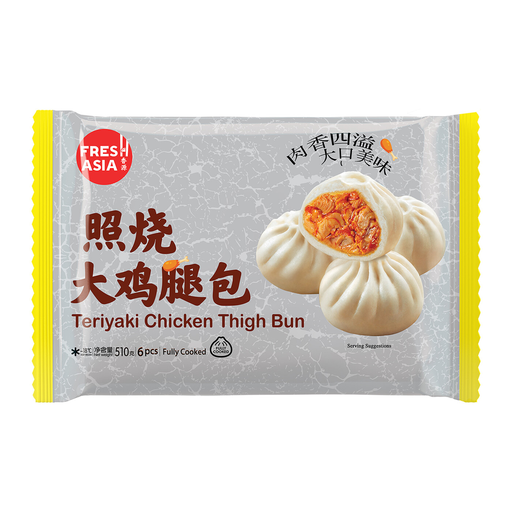
Why it suits this profile: A substantial bao filled with a whole chicken thigh and teriyaki sauce, ideal if you’re looking for a savoury meal.
The product information states the net weight, storage at -18 °C or below, and the need to heat it thoroughly by steaming.
510 g per pack; chicken thigh with teriyaki sauce; contains wheat, soya and sesame.
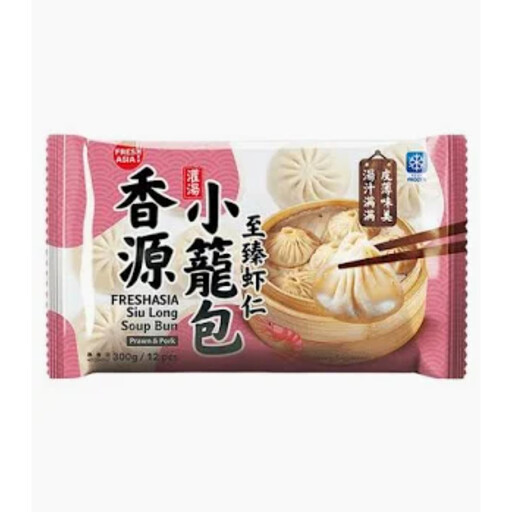
Why it suits this profile: For dim sum fans specifically looking for soup buns filled with prawns and pork.
The instructions say to steam from frozen and warn that the bun contains hot liquid. Shellfish, soya, wheat and sesame are listed as allergens.
300 g per pack; a combination of prawns and pork; ideal as a special dim sum snack.
We’ve put together a complete, up-to-date list of products that meet these strict selection criteria and the applicable European safety regulations.
Most bao and steamed buns can be cooked straight from the freezer in a steamer basket over boiling water. Steam for 8 to 12 minutes, unless the packaging says otherwise. Leave the buns to stand briefly after steaming and check that the filling is piping hot throughout.
Some products come with microwave instructions, often involving a few drops of water and a covered dish. For example, the Fresh ASIA Mushroom Chicken Thigh Bun recommends 60 to 90 seconds on high, followed by a resting time. Not every product is suitable for this method, so only follow the instructions provided for that specific product.
Store them unopened at -18 °C or below and follow the date on the packaging. Many products should not be refrozen once defrosted. Take out only the amount you’re going to cook straight away, and store opened packs according to the instructions provided.
