
Vandaag of morgen in huis

Kwaliteit gegarandeerd

Welkomstaanbiedingen ontgrendelen: GRATIS bezorging | Tot 80% korting | Gratis 30 dagen JoyPlus-proefperiode
Download de app
Asian fish snacks come in many forms: from dried fish and soft fish strips to fish chips, fish cakes and squid crackers. This wide range makes choosing fun, but also tricky. A packet might promise a striking flavour, while the snack is mostly made up of starch, sugar or spices. What's more, small portions are sometimes made to look bigger by oversized packaging.
As a Joybuy Product Recommendation Officer, I therefore focus on verifiable information: ingredients, nutritional values, allergens, packaging and storage instructions. This way, you can buy a fish snack that better suits your taste and when you plan to eat it.
Always check the ingredients list. With some fish chips, fish or salmon is listed as part of a seasoning mix, while tapioca starch or wheat flour is the main ingredient. That's not necessarily a problem, but it does determine whether you're buying a light, crispy fish snack or a pronounced seafood snack.
For example, Taro Fish Snack Original Flavour lists 67.4% lizardfish meat. With Zen Zen Salmon Fish Chips, the base is tapioca starch and the salmon seasoning contains 5% salmon. The difference in product composition is significant.
A Thai fish snack with chilli can be soft and chewy, while a spicy fish snack with wasabi gives more of a sharp flavour kick. So look at the form and method of preparation. Dried fish snacks and fish strips often have a firm or chewy texture. Fish chips and rice crackers are generally lighter and crispier.
Compare nutritional values per 100 grams, not just per packet. According to the product information, Jin Zai Deep Sea Anchovy Secretly Marinated Flavour contains 26.8 grams of protein and 6.55 grams of salt per 100 grams. That's relevant information if you plan to eat several portions or take snacks on the go. The recommended amount depends on your overall diet.
With Asian fish snacks, pay particular attention to:
The allergen information on the packaging is definitive. Product recipes can change, so check the label when you receive it if you have an allergy or intolerance.
Choose based on when you want to eat the snack:
Also check whether the product is ready to eat. A frozen Korean fish snack, such as a Busan fish cake roll, must be stored frozen and used chilled after defrosting. That requires different planning compared to an individually wrapped anchovy snack.
Use the nutritional information table to compare products fairly. Taro Fish Snack Savory states 25 grams of protein per 100 grams and 0.7 grams of fat per 100 grams. Taro Fish Snack Original Flavour states 28 grams of protein, but also 6.7 grams of salt per 100 grams. So a product that is relatively high in protein based on the table is still a snack and should fit within a broader diet.
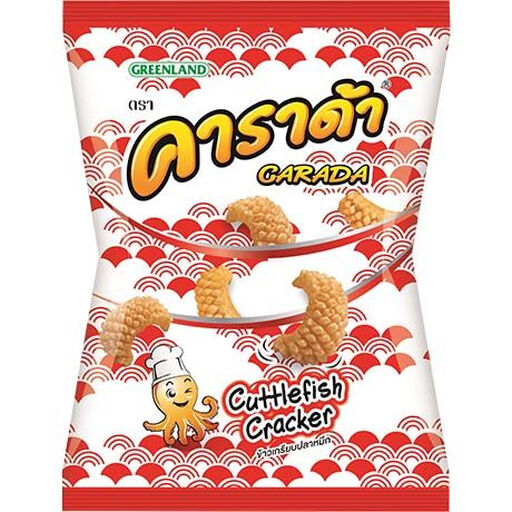
Why this fits the profile: This snack combines rice crackers with real cuttlefish and is ready to eat. That makes it an accessible choice when you're trying a seafood snack for the first time.
The product description mentions real cuttlefish and a crispy rice base, so the texture and main flavour are clearer than with a general crisps mix.
65 grams per pack; 140 kcal and 2 grams of protein per 100 grams according to the available nutritional information.
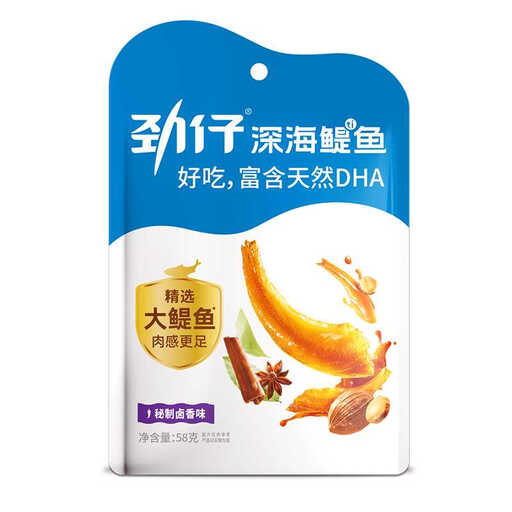
Why this fits the profile: According to the product description, the anchovy has a firm texture, a marinated flavour and five individual portions.
The portion packaging limits exposure to air after opening. Do check the relatively high salt content of 6.55 grams per 100 grams.
58 grams divided into five sachets; 26.8 grams of protein per 100 grams and ready to eat.
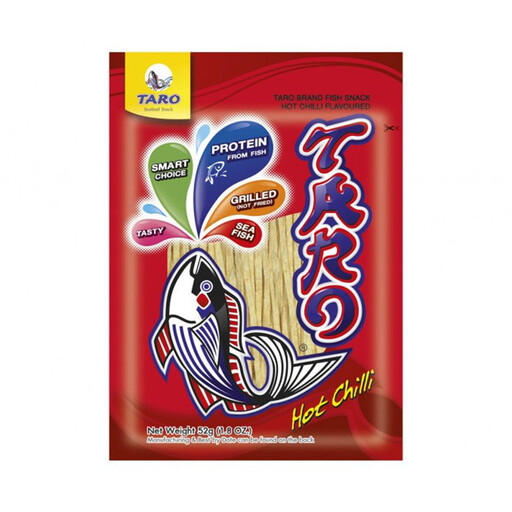
Why this fits the profile: This Thai fish snack is soft and chewy, contains chilli and is packaged for use on the go, at school or during a working day.
The product information explicitly mentions the texture, chilli and storage conditions. So you know in advance that this is not a neutral fish chip or crispy cracker.
52 grams; according to the product information, 12 grams of protein, 2 grams of fat and 140 kcal per 100 grams. Contains fish and soya.
We've put together a full, up-to-date list of products that fully meet these strict selection criteria and current European safety regulations.
For a distinctive Korean fish snack, you could look at a product based on cod fish paste, such as the Delief Busan Fish Cake Roll. This variety is frozen and needs to be cooked or incorporated into a meal. For salmon chip lovers, there are varieties with wasabi or black truffle. Pay attention to the composition: Zen Zen Salmon Wasabi Flavoured Salmon Chips contains 15% salmon skin and states 508 kcal per 100 grams.
An original Taro variety has, according to the product information, 67.4% fish meat and 28 grams of protein per 100 grams. The Taro BBQ Fish Snack, on the other hand, states 20 grams of protein, 25 grams of sugar and 2.5 grams of salt per 100 grams. This shows why it pays off not to judge a Thai fish snack by the front of the packet alone.
Choose a ready-to-eat snack with a small packet or individual portions. The Jin Zai anchovy is divided into five sachets. Taro Hot Chilli Fish Snack has a 52-gram packet and is ready to eat according to the product information. Store opened packets tightly sealed to better preserve texture and freshness.
A dried fish snack usually consists of fish meat or fish strips and has a firm, soft or chewy bite. Fish chips are often based on starch, flour or a cracker base with fish or salmon flavouring. So check the fish percentage and the first ingredients on the list.
The shelf life is stated on the packaging. Store shelf-stable snacks in a cool, dry place, away from direct sunlight and moisture. After opening, the recommended consumption period varies by product. A frozen fish cake must be kept frozen according to the packaging; once defrosted, it should not be refrozen. When in doubt, always follow the label.
