
Vandaag of morgen in huis

Kwaliteit gegarandeerd

Welkomstaanbiedingen ontgrendelen: GRATIS bezorging | Tot 80% korting | Gratis 30 dagen JoyPlus-proefperiode
Download de app
A bag of Asian fish snacks might seem straightforward to choose at first glance. Yet dried fish, marinated anchovies, Thai fish snacks and Chinese fish snacks differ greatly in texture, salt content, packaging and how they're used. A product that works well as an on-the-go snack won't necessarily be right for a bowl of noodles or with rice.
The main pitfalls usually aren't about flavour, but about the information on the packaging.
A protein-rich snack may contain plenty of protein per 100 grams, but an individual bag could weigh just 8 to 12 grams. So look at both the nutritional values per 100 grams and the actual portion weight. A snack with 30 grams of protein per 100 grams will only give you around 3.6 grams of protein in a 12-gram portion.
Also pay attention to the salt content. Fish snacks with soy sauce, chilli, oil or fermented ingredients can be relatively high in salt.
Check the quantitative ingredient declaration. With Jin Zai Small Fish Sauce Flavour, the product information states the product contains 70% anchovy. The Jin Zai Deep-Sea Mini Fish Snack lists 75.3% anchovy on the label. In contrast, there are snacks where fishmeal, starch, sugar or spices make up a larger part of the recipe.
If you're after a firm bite and a clear fish flavour, the fish percentage is a practical point of comparison.
A ready-to-eat fish snack in small portions is easy to take to work, school or on the go. But do compare the price per 100 grams. A box of 20 small bags can work out more expensive than a larger pack, even when the total amount is similar.
Also check the storage instructions after opening. Many products should be eaten straight away and shouldn't be left out of their packaging for long once opened.
Always read the ingredients list, especially with an anchovy snack or spicy fish snack. Many Asian varieties contain not just fish but also:
In the European Union, allergens must be clearly highlighted in the ingredients list. Check the label on the packaging with every purchase, because recipes can change.
Use the nutrition table to compare products fairly. Vismarine tilapia fillets contain 17.6 grams of protein and 0.05 grams of salt per 100 grams, according to the product information. That's a different type of product from a seasoned snack.
For comparison: Jin Zai Sauce Flavour states 30.4 grams of protein and 2 grams of salt per 100 grams. The Classic Spicy Flavour states 28.5 grams of protein and 4.63 grams of salt per 100 grams. These figures make it clear why "high in protein" isn't enough information: the salt and fat content should also factor into your choice.
A dried fish snack or smoked fish strip is usually firm and chewy. A marinated anchovy has a softer texture. Canned fish, such as fried dace with salted black beans, is more of a side dish than a snack you'd eat from the packet.
Also note the difference between:
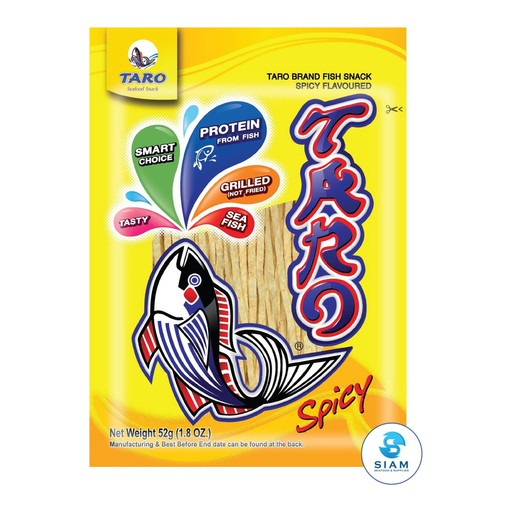
Why this fits the profile: A small pack and a mild savoury flavour make this snack accessible for anyone trying an Asian fish snack for the first time.
The nutritional information lists values per 100 grams and per 52-gram portion. This makes it easier to assess your actual intake.
52 grams per pack, ready-to-eat and, according to the product information, 25 grams of protein per 100 grams.
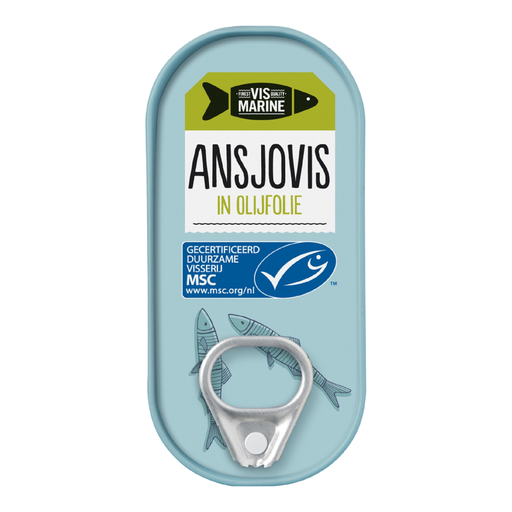
Why this fits the profile: Ideal for anyone looking for a compact anchovy in olive oil for pasta, pizza, salad or a savoury addition to bread.
The label states 65% anchovy and 35% olive oil. This makes the composition easier to assess than with a snack containing a long list of spices.
46 grams, MSC mention in the product information and 27.6 grams of protein per 100 grams. Do note the stated salt content of 14.33 grams per 100 grams.
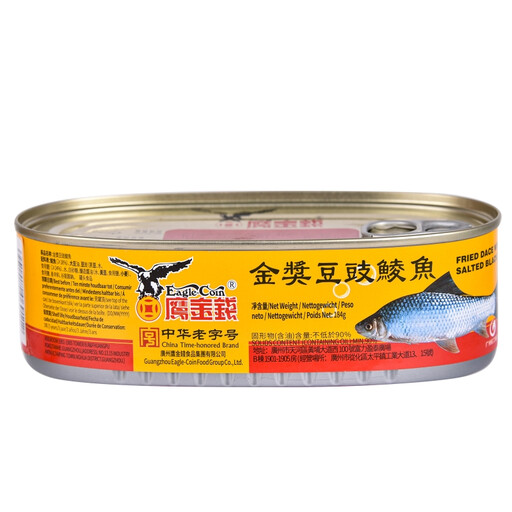
Why this fits the profile: This Chinese fish snack is mainly useful as a ready-to-eat side dish with rice, congee, noodles or stir-fried vegetables.
The product information clearly states 38% dace and 24% fermented black beans. This makes it recognisable as a meal component rather than a dry snack.
184 grams in a tin, shelf-stable at room temperature and ready to serve. The stated nutritional values include 19.6 grams of protein and 3 grams of salt per 100 grams.
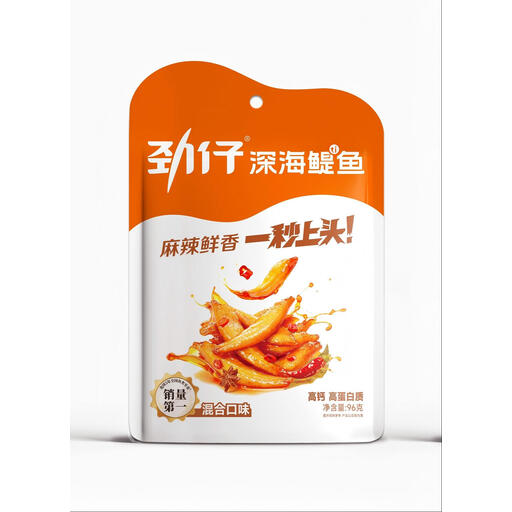
Why this fits the profile: The box contains three flavours: spicy, spicy & numbing and sauce flavour. The individual sachets are practical for lunch, travel or a snack away from home.
The pack contains 12 portions of 8 grams each. This means you don't have to open the whole pack at once.
At least 69% anchovy according to the product information, three flavour varieties and ready to eat. The salt content varies by flavour from 1.6 to 2 grams per 100 grams.
We've put together a full, up-to-date list of products that fully meet these strict selection criteria and current European safety regulations.
Choose a product with individual portions, a dry storage instruction and the ready-to-eat label. Jin Zai packs with multiple small sachets are practical for a bag, lunchbox or train journey. Do check allergens and salt content before you order.
Always follow the label. Many dried or marinated snacks can be stored unopened in a cool, dry place. After opening, product descriptions often advise consuming the contents straight away. Don't store an opened tin of fish in the tin itself; use a sealed container and follow the recommended time frame.
No. Anchovy in olive oil is usually soft, salty and intended as an ingredient for pasta, pizza, salad or toast. A dried fish snack is typically firmer and seasoned, and can be eaten straight from an individual sachet. Choose based on how you plan to use it, not just on the word "anchovy".
