
Vandaag of morgen in huis

Kwaliteit gegarandeerd

Welkomstaanbiedingen ontgrendelen: GRATIS bezorging | Tot 80% korting | Gratis 30 dagen JoyPlus-proefperiode
Download de app
Asian fish and seaweed snacks come in many forms, from crispy nori snacks and dried seaweed to marinated anchovies, sushi nori and ready-to-eat seafood snacks. The differences are not just about flavour. Portion size, allergens, salt content, preparation and storage all affect whether a product suits the way you plan to use it.
If you rely solely on words such as “natural”, “high in protein” or “authentic flavour”, you could easily choose a pack that goes soft after being opened once, turns out to be too salty or is not suitable for eating straight away. These points will help you compare products more objectively.
A 20, 24 or 33-gram pack can be convenient when you are out and about, but the price per 100 grams is often higher than that of a larger pack. Always check the net quantity and, for individually wrapped snacks, the number of portions.
Individual sachets do have a practical advantage: you only open a small portion at a time, keeping the rest sealed for longer. This matters with nori, dried seaweed and seasoned fish snacks, as crispness can quickly deteriorate when exposed to air and moisture.
Some snacks are fish-shaped but, according to the ingredients list, consist mainly of potato flour, starch, oil, sugar and flavourings. That does not make them unsuitable, but they are different from an anchovy snack or other Asian seafood products.
So check the quantitative ingredients declaration. Jin Zai Small Fish, for example, lists 70% anchovies. In a potato-flour-based snack, the fish shape is primarily a design choice.
Japanese wakame is intended to be soaked before adding it to soup, salad or noodles. Sushi nori is suitable for wrapping rice or sushi. Other products can be eaten straight away. Always check the instructions for use and storage requirements before ordering.
A frozen product such as crab sticks or breaded calamari also requires cold storage and defrosting. That is a different use case from a bag of nori kept in your desk drawer.
Read the full ingredients list, especially if you are sensitive to fish, soya, wheat, milk, sesame, eggs, crustaceans or molluscs. A seasoned anchovy snack may contain soya and wheat because of the soy sauce. Kimnori Teriyaki contains, among other ingredients, sesame oil and soy sauce powder. The allergen information on the product packaging always takes precedence, as recipes may change.
Also look out for additions such as sweeteners, flavour enhancers, sulphites and colourings. They are not necessarily a problem, but it is useful to know exactly what you are buying.
Always compare nutritional information on the same basis: per 100 grams. Pay particular attention to salt, sugar, fat and protein, depending on your own preferences. A product may be relatively high in protein while also providing a lot of salt or oil.
The 240-gram pack of Jin Zai Small Fish lists 30.4 grams of protein and 2.0 grams of salt per 100 grams. The classic spicy anchovy variant in a 58-gram pack lists 28.5 grams of protein and 4.63 grams of salt per 100 grams. This difference is important if you eat several portions.
You should also consider a claim such as “low-sugar” or “low-calorie” alongside the full nutrition table. Do not rely solely on the front of the packaging.
For commuting, lunch boxes or a snack while watching a film, individual portions are practical. They limit contact with air and make sharing easier. For use in soup, salad or sushi, a larger bag is often more efficient.
Store dried products in a cool, dry place in a tightly sealed container or pack. Store frozen products at the stated temperature and do not refreeze products once thawed. When ordering online, also check the best-before date on the packaging as soon as the product arrives.
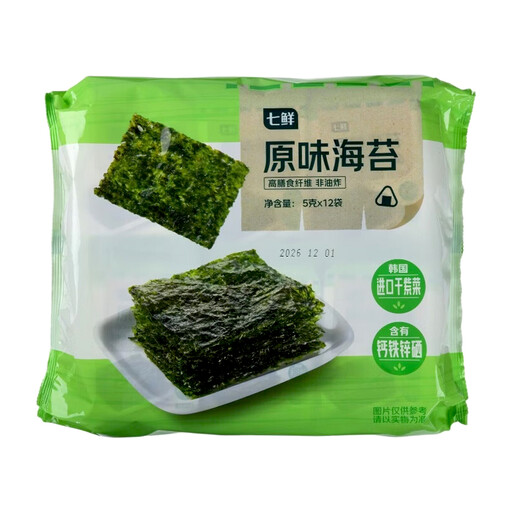
Why it suits this profile: This Korean seaweed snack is ready to eat and comes in a sealed 60-gram pack. That makes it an accessible choice if you would like to try nori as a snack on its own.
The product information lists dried nori, corn oil, sesame oil and salt. This makes it clear that it is a seasoned snack rather than pure, unprocessed seaweed.
60 grams net, ready to eat, with sesame clearly listed as an allergen.
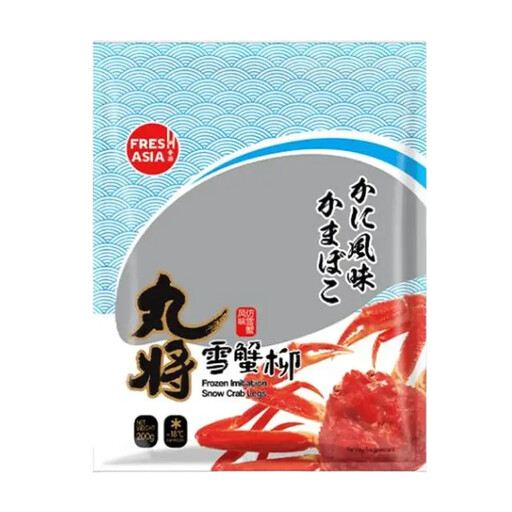
Why it suits this profile: This frozen seafood snack is suitable for sushi, salads, hotpot and a seafood platter. It is a good choice if you want one product that can be used in several meals.
The preparation and storage requirements are clearly stated: store frozen at -18 °C or below, defrost in the fridge and do not refreeze.
200 grams, suitable for several preparations, with fish, egg and crustaceans listed as allergens.
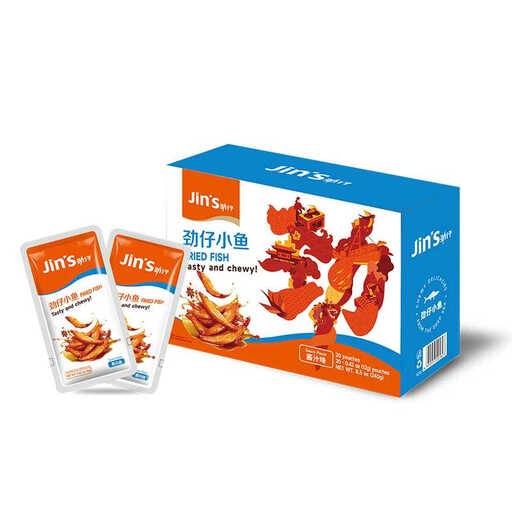
Why it suits this profile: The pack contains 20 individual 12-gram portions. This works well for regular snacking, sharing or serving with rice, congee and noodles.
The fish content is stated explicitly: 70% anchovies. Fish, soya and wheat are also identified as allergens, so you can base your choice on more than just flavour or packaging.
240 grams in total, 20 portions, suitable for eating straight away or serving alongside meals.
We have put together a complete, up-to-date list of products that fully meet these strict selection criteria and the applicable European safety regulations.
That depends on the product. According to the product information, nori snacks, marinated anchovies and some seafood snacks are ready to eat. Dried wakame and other dried seaweed are usually used in soup, salad or other dishes. Always read the instructions for use.
Store dried seaweed in a cool, dry place in a tightly sealed pack, away from moisture and direct sunlight. Reseal the packaging after each use. To keep it crisp, it is practical to open small portions rather than repeatedly leaving a large bag open.
Compare net weight, price per 100 grams, ingredients, allergens, nutritional values and storage conditions. Also check whether the product will be delivered chilled or frozen. This helps you avoid ordering a ready-to-eat seafood snack that does not suit your available storage space or the occasion when you plan to eat it.
