
Vandaag of morgen in huis

Kwaliteit gegarandeerd

Welkomstaanbiedingen ontgrendelen: GRATIS bezorging | Tot 80% korting | Gratis 30 dagen JoyPlus-proefperiode
Download de app
A bottle of Asian fish sauce might seem straightforward to choose, but the difference between a fermented fish sauce, a sweet grilling sauce and a ready-made fish product is huge. If you rely solely on the label or an attractive product photo, you could end up with a sauce that doesn't suit the dish you had in mind.
For home cooks in the UK, these are the main pitfalls to watch out for:
A fermented fish sauce is typically made with fish, salt and water. The ratio varies by brand and product. Thanh Ha Fish Sauce, for example, states 35% Stolephorus commersonnii, while Healthy Boy Fermented Fish Sauce, according to the product description, contains 70% fermented anchovies. Maeboonlam lists 93% fermented fish sauce as an ingredient.
These are verifiable label details, not a guarantee that every user will experience the same flavour. A higher fish content can give a more pronounced fish taste, but personal preference and the dish itself remain decisive.
Usage:
Always compare the nutritional information per 100 ml or per 100 g. Thanh Ha states 23.3 g of salt per 100 ml. Lee Kum Kee Steam Fish Soy Sauce states 12.75 g of salt per 100 ml, and Qianhe Steamed Fish Soy Sauce 16.4 g per 100 ml. This shows that products with a similar use can still vary considerably.
A practical approach:
Fish sauce often contains fish, but not every sauce contains the same allergens. Sauces with soy sauce may contain soya and wheat. Lee Kum Kee and Qianhe both list soya and wheat. Some Chinese fish seasonings may also contain mustard, sesame or sulphites.
So check before you buy:
A bottle of fermented sauce, according to the product information, often needs to be refrigerated after opening and used promptly. A dry Asian fish seasoning, such as Baijia Pickled Cabbage Fish Seasoning, needs to be cooked with fish and water.
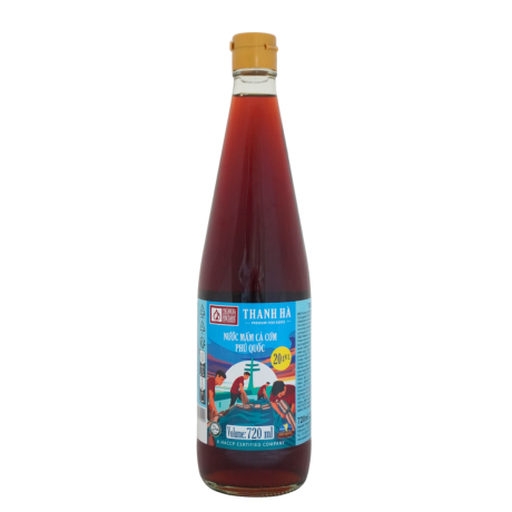
Why this fits the profile: A generous bottle for anyone who wants to use Vietnamese fish sauce regularly in marinades, dressings and rice dishes.
The product name and ingredients make it clear that this is a liquid fish sauce, not a ready-made fish dish or sweet glaze.
720 ml volume; 11 g protein and 23.3 g salt per 100 ml according to the product information.
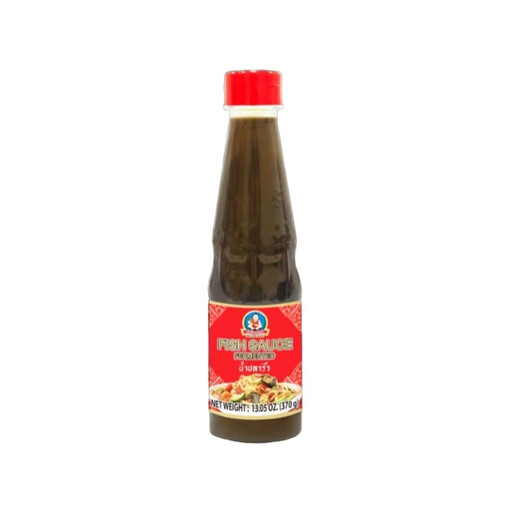
Why this fits the profile: For cooks who are specifically looking for a Thai fermented fish sauce with a pronounced character, for som tam among other things.
The label states 70% fermented anchovies, rice and salt; the sauce is therefore clearly distinguishable from sweet seasonings.
370 g volume; according to the product description, made in Thailand and intended for Thai dishes.
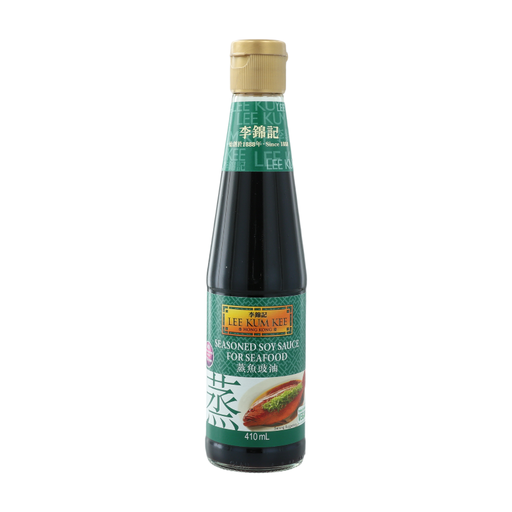
Why this fits the profile: For those who often prepare steamed fish or seafood and want a sauce that can be heated and poured straight over the top.
The use is specifically described for steamed fish and seafood, so you don't have to use a general stir-fry sauce as a sauce for steamed fish.
410 ml volume; ready to use and, according to the label, suitable for heating and serving with fish.
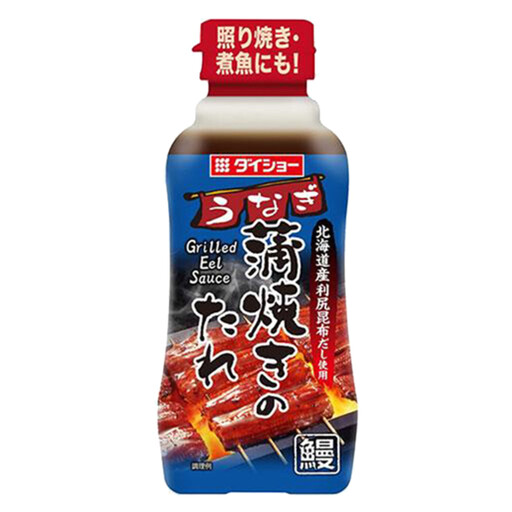
Why this fits the profile: For anyone looking for a sweet-savoury finishing touch for grilled fish, sushi, donburi or vegetables.
The name and use refer to kabayaki; so this is a glaze or dip, not a neutral fermented fish sauce.
240 g volume; according to the product description, suitable as a marinade, glaze, dip and finishing touch.
We've put together a full, up-to-date list of products that fully meet these strict selection criteria and comply with current European safety regulations.
Both are fermented fish sauces, but the recipe, fish content, salt level and flavour can vary by brand. So check the label rather than relying solely on the country of origin. Thai fish sauce is often used in curries, stir-fries and som tam; Vietnamese fish sauce is common in dressings, marinades and noodle dishes.
Always follow the instructions on the packaging. For several products in this category, refrigeration after opening is recommended. Keep the bottle tightly sealed, use a clean spoon and pay attention to the stated shelf life. An unopened bottle can often be stored in a cool, dry place outside the fridge.
Start with a small amount and only add more after tasting. Avoid adding a lot of salt, stock and soy sauce at the same time. For a sauce served with steamed fish, you can limit the quantity and serve it with neutral rice. For a spicy fish sauce or dressing, lime, vinegar, sugar and chilli help to balance the flavour.
