
Vandaag of morgen in huis

Kwaliteit gegarandeerd

Welkomstaanbiedingen ontgrendelen: GRATIS bezorging | Tot 80% korting | Gratis 30 dagen JoyPlus-proefperiode
Download de app
At first glance, picking a bottle of Asian fish sauce or seafood sauce seems straightforward. However, products vary significantly in flavour, salt content, texture, ingredients and usage. A Thai fish sauce isn't automatically suitable as a steamed fish sauce, while a Japanese eel sauce is intended more as a sweet glaze than as a base for a stir-fry.
For home cooks, Asian food enthusiasts and professional kitchens, there are three main pitfalls to watch out for:
First, decide how you'll use it. That way, you won't end up buying a sauce that rarely leaves the cupboard.
Thai and Vietnamese fish sauces are typically used in small amounts for stir-fries, noodle dishes, dressings, soups and marinades. Pay attention to the proportion of fish in the ingredients list. The Squid Fish Sauce 725ml, for example, states 77% anchovies, alongside salt and sugar. The Thanh Ha Fish Sauce 720 ml contains 35% Stolephorus commersonnii according to the product information, with a stated salt content of 23.3 g per 100 g.
A Chinese fish sauce or seafood sauce is often thicker and sweeter. It works better as a glaze, dip or marinade for meat, fish and vegetables. The LEE KUM KEE Seafood Sauce 397g is recommended for marinating, grilling, cooking and as a dip, according to the product description.
For a delicate fish fillet, a dedicated steamed fish sauce is practical. The Lee Kum Kee Steam Fish Soy Sauce 410ml is ready to use according to the label, designed to be warmed and poured over steamed fish or seafood. The Qianhe 435 ml variant is also suitable for fish, prawns, shellfish, cold dishes and light stir-fries, according to the product information.
These sauces are not ordinary salty soy sauce. Their composition and flavour profile are tailored to a preparation where the fish itself remains the star. Add a small amount first, then taste and adjust.
Oyster sauce usually has a thicker texture and a sweet-savoury umami flavour. This makes it suitable for stir-frying, braising, marinating and dipping. The LEE KUM KEE Panda Brand Oyster Sauce 907g is a generous pack for regular use. For professional kitchens or large families, a 2.27 kg pack is also available.
Eel sauce or kabayaki sauce is typically sweeter and more syrupy. The Daisho Grilled Eel Sauce and SONOKO Eel Sauce are suitable for grilled eel, rice bowls, sushi, meat and vegetables, according to the product information. Use it as a glaze, drizzle or dip; it's less suitable as a classic fish sauce substitute.
For sushi and sashimi, a Japanese soy sauce for sushi makes more sense. The Obento SUSHI & SASHIMI SOY SAUCE 250ml is developed to be served in a separate dish. Note the high salt content of 15 g per 100 g, so use small amounts.
Check the ingredients list before you order, especially if you have allergies or food intolerances. Many sauces contain soya, wheat and gluten. Oyster sauce also often contains molluscs, and fish sauce contains fish. Some blended fish seasonings also contain mustard, sesame or sulphites.
The product packaging is definitive. Product information can change, and the final packaging may include additional warnings. So when you receive it, check the ingredients, allergens and usage instructions again.
Compare the nutritional information per 100 g or 100 ml. The Thanh Ha Fish Sauce states 23.3 g salt per 100 g, while a sweeter sauce like the Lee Kum Kee Seafood Sauce states 47 g sugar per 100 g. That doesn't mean a sauce is unsuitable, but it does mean you need to adjust the quantity to suit the recipe.
Use strong fish sauce as a seasoning and only add extra salt at the end. With a sweet seafood sauce, you can reduce the sugar, honey or sweet chilli sauce in the recipe.
Check whether the sauce is ready to use or needs to be cooked first. A sauce for steamed fish can be heated and poured directly, whereas a blended seasoning for grilled fish needs to be prepared first.
Also pay attention to the size:
Store unopened products according to the label. Many sauces need to be refrigerated after opening. Note the opening date on large packs and always use clean utensils.
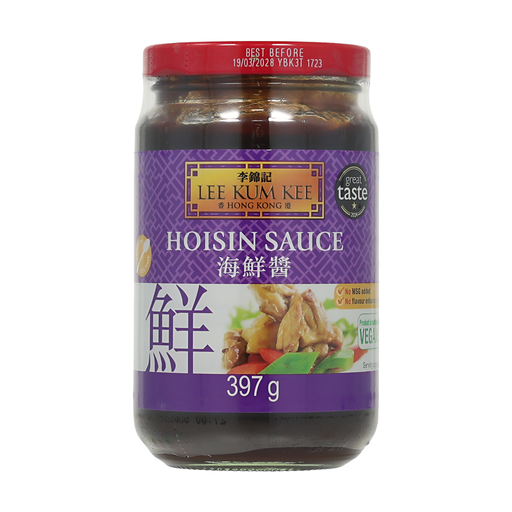
Why it fits this profile: A versatile sauce for marinating, grilling, cooking and dipping, without needing to buy several specialist bottles straight away.
The product description lists multiple uses and the content is 397 g. Do check the allergens present: wheat, soya and sesame.
Smooth, thicker sauce profile; suitable as a marinade, grilling sauce and dip.
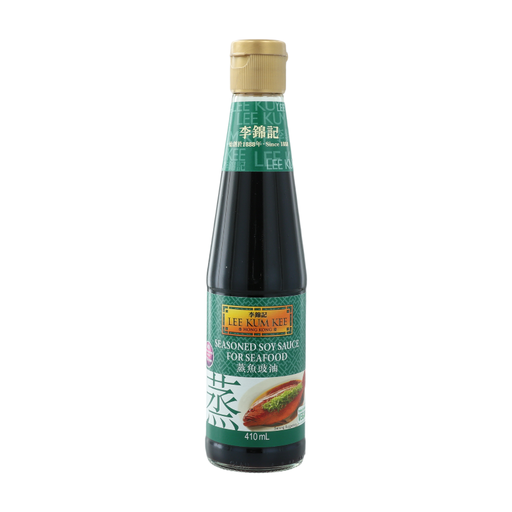
Why it fits this profile: Designed for steamed fish and seafood where a ready-to-use finishing touch is desired.
The use is clearly described. You don't need to mix ordinary soy sauce with sugar or extra flavourings.
410 ml; light colour according to the product description; suitable for pouring warm over fish.
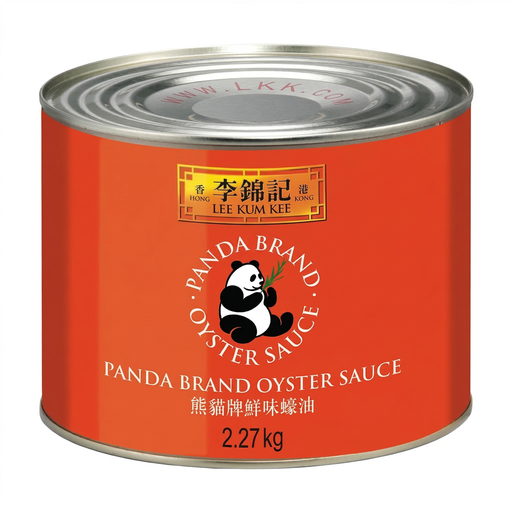
Why it fits this profile: The large pack is aimed at frequent stir-frying, braising, marinating and serving in a professional or large kitchen.
The size matches heavy use. Refrigeration after opening is recommended; that's important for stock management.
2.27 kg; suitable for stir-frying, braising, marinating and dipping; contains oyster extract.
We've put together a full, up-to-date list of products that fully meet these strict selection criteria and comply with current European safety regulations.
Thai and Vietnamese fish sauces are usually runny and used as a salty umami base in stir-fries, soups, salads and marinades. Chinese seafood sauce is often thicker, sweeter and more focused on glazing, grilling, stir-frying and dipping. Always check the ingredients and usage instructions, as recipes and brands vary.
Start with half a teaspoon or a small splash and taste after cooking. Add fish sauce early to a marinade or stock, but hold off on extra salt until the end. With an oyster sauce or eel sauce, you also need to account for the sugar and the thickness of the sauce.
That depends on the brand and the label. Store the bottle according to the instructions given, usually in a cool place and tightly sealed. Pay attention to the smell, colour, texture and best-before date. With blended sauces and fish seasonings, the usable period after opening may be shorter than with a pure fish sauce.
