
Vandaag of morgen in huis

Kwaliteit gegarandeerd

Welkomstaanbiedingen ontgrendelen: GRATIS bezorging | Tot 80% korting | Gratis 30 dagen JoyPlus-proefperiode
Download de app
When you’re looking to buy Asian fish sauce, you’ll quickly come across dozens of bottles, seasoning mixes and sauces with similar labels. Yet they differ greatly in composition, salt content, size and application. A Thai fish sauce isn’t automatically right for a Vietnamese dipping sauce, while a Chinese fish seasoning mix is a completely different product altogether.
The most common buying mistakes come from three pitfalls:
First, look at the full ingredients list. Some products consist mainly of anchovy extract, salt and a small amount of sugar. Others contain water, flavour enhancers or sweeteners.
With Cacom-B Fish Sauce, the product information states the composition is 65% anchovy extract, 30% salt and 5% sugar. Thanh Ha Fish Sauce lists water, 35% Stolephorus commersonnii, salt, flavour enhancers E627 and E631, and sweetener E950. That gives you a much clearer picture than just the name “Vietnamese fish sauce”.
Also watch out for allergens. Fish sauce usually contains fish, while some fish seasonings may also contain soya, wheat, mustard, milk or shellfish. Always check the label, especially if you have a food allergy.
Fish sauce is concentrated. The nutritional values for Cacom-B show, for example, 24.57 grams of sodium per 100 grams; for Oyster Brand Fish Sauce it’s 26.4 grams of salt per 100 millilitres. So use small amounts and taste as you go.
A product with a strong flavour can be economical to use, but a high salt content doesn’t automatically mean it’s better for your dish. In a marinade, soup or stir-fry, you can combine fish sauce with lime, rice vinegar, sugar, garlic or chilli to balance the flavour.
For home use, bottles of around 680 to 720 ml are more manageable. Cacom-B offers 680 ml and Thanh Ha 720 ml. If you cook Asian food often, run cookery workshops or run a restaurant, you might consider a bulk pack.
Oyster Brand Fish Sauce Nam Pla is available in 4.5 litres. According to the product description, this size is intended for daily use and professional kitchens. Before you buy, check you have enough storage space and that you can seal the bottle hygienically after opening.
Thai fish sauce is often used in pad thai, curries, tom yum, stir-fries and dipping sauces. Vietnamese fish sauce works well in nuoc cham, marinades and noodle dishes. The exact flavour, however, depends on the brand, recipe and ageing; so look at the label rather than just the country of origin.
For Chinese dishes, there are also ready-made mixes. Consider Sichuan fish seasoning for mala fish, green pepper fish or fish with pickled mustard greens. These products often contain oil, chilli, peppercorns, spices and sometimes soya. They are intended as a recipe base, not as a direct substitute for pure fish sauce.
Other products in this category include:
With a seasoning, pay close attention to the preparation method. Some sachets are suitable for one whole fish of about 1 to 1.5 kg, while others are intended for 500 g of fish fillet and need extra water or stock.
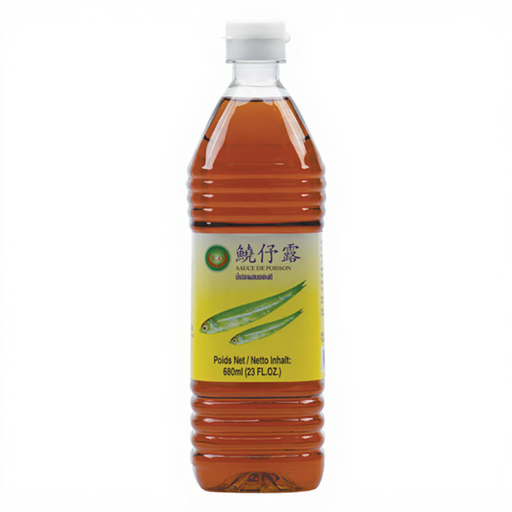
Why this fits the profile: A manageable bottle for anyone who cooks Asian dishes regularly and doesn’t need a bulk pack.
The product information states the anchovy extract content and warns about the high salt level, so you can adjust the dosage.
680 ml capacity; composition with 65% anchovy extract according to the product listing; suitable for soups, dips and marinades.
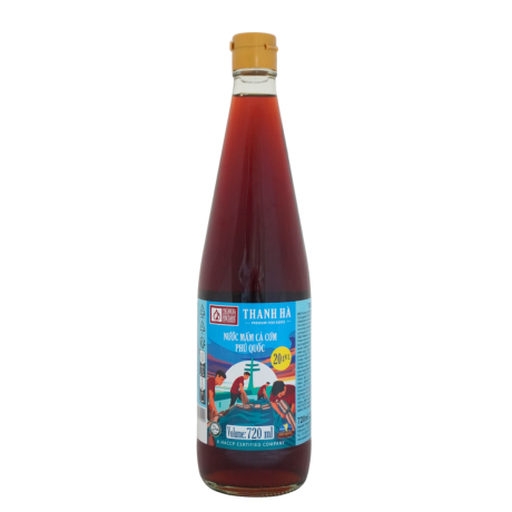
Why this fits the profile: Ideal for fans of Vietnamese cooking who want to compare ingredients and nutritional values in advance.
The listed ingredients, fish percentage and salt content make it possible to compare with other Vietnamese fish sauces.
720 ml capacity; 35% Stolephorus commersonnii according to the label; listed as free from the 14 main EU allergens.
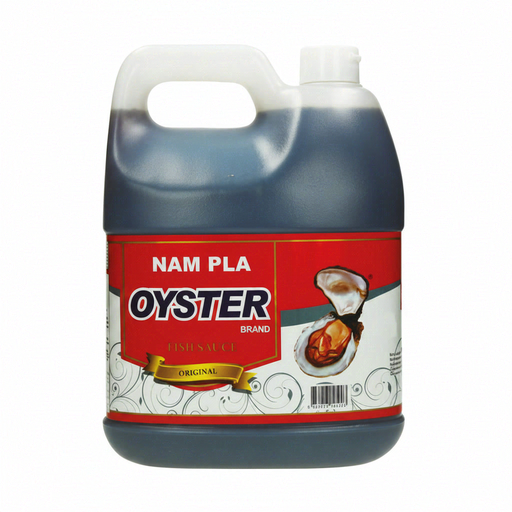
Why this fits the profile: Aimed at professional kitchens, caterers and households that cook very regularly in large quantities.
The large size avoids lots of small bottles when usage is high, but it only makes sense if you have storage and can use it up quickly.
4.5 litre capacity; produced in Thailand according to the product information; suitable for large-scale kitchens, soups, stir-fries and marinades.
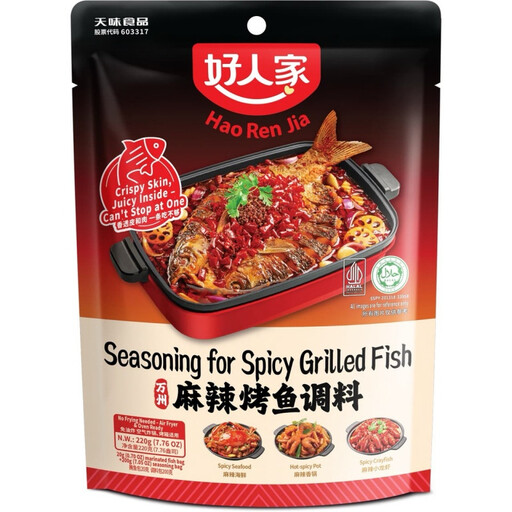
Why this fits the profile: A practical recipe base for anyone who wants to prepare mala flavour without weighing out individual Sichuan peppercorns, bean paste and spices.
It’s not a pure fish sauce but a two-part seasoning with sauce and powder; the preparation method and allergens are clearly stated.
220 grams; intended for one fish of around 1 to 1.5 kg according to the usage instructions; contains Pixian bean paste and Sichuan pepper among other ingredients.
We’ve put together a full, up-to-date list of products that fully meet these strict selection criteria and comply with current European safety regulations.
Check the date and follow the storage instructions on the packaging. Keep an opened bottle tightly sealed, out of direct sunlight and according to the label. Check the smell, colour and packaging before using the product.
You can in some dishes, but the flavour will change. Fish sauce gives a distinct salty umami taste and contains fish; soy sauce is usually soya-based and often contains wheat. For steamed fish, it’s better to use a soy sauce specifically designed for that purpose.
Consider your daily usage, storage space, dosage and allergen information. A 680 or 720 ml bottle suits moderate use. A bulk fish sauce pack of 4.5 litres makes more sense for a kitchen that prepares lots of sauces, soups and marinades every day.
