
Same-day & Next-day Delivery

Quality Guaranteed

Unlock Your Welcome Offers: FREE Delivery | Up to 80% OFF | Free 30-day JoyPlus trial
Download the APP
When you buy Asian fish balls, you often focus on the flavour picture and the price. Yet an attractive packet tells you little about the fish content, cooking method, or suitability for an allergy-free household. With the right checks, you can avoid buying a bag that is mostly starch, turns out too salty, or doesn’t suit your dish.
Words like “lobster”, “crab” or “squid” don’t always mean the product is mainly made from that ingredient. In some surimi balls, the flavour comes from an aroma, while fish forms the base. So always check the ingredients list and the percentage of fish, squid or other seafood.
A product with 70% fish surimi is clearly different from a variant with a lower fish percentage and more starch, oil or protein components. Also look out for terms like “lobster flavour”: according to the product information for FRESHASIA Lobster Flavoured Fish Balls, these are fish balls with artificial lobster flavourings, not a product made from lobster.
Not all ready-to-eat fish balls can be eaten straight away. Some are already cooked and only need reheating, while other products are raw or semi-prepared. The packaging will then state something like “cooking required” or “do not eat raw”.
The Fuzhou fish balls from Zhen Wei Xiang are frozen raw fish balls. These need to be cooked straight from the freezer for about 3 to 5 minutes, until they are cooked through. The Freshasia Fried Taro Fish Balls also require heating; according to the product description, frying gives a crispy exterior.
Asian fish balls can contain more than just fish. Common allergens include fish, crustaceans, molluscs, soya, wheat, egg, sesame and peanut. Stuffed fish balls and mixed hotpot packs in particular often contain multiple allergens.
Always read the current packaging. Product information can change, and the packaging is the definitive source for allergens, shelf life and cooking instructions.
The fish percentage is a useful point of comparison, but it’s not the only criterion. Also look at the order of ingredients: what comes first is usually present in the largest amount.
Some examples from the range:
A higher fish or squid percentage can be appealing when you want a more pronounced seafood flavour and a firmer texture. It doesn’t automatically say anything about your personal taste or the overall quality.
There are several types of frozen fish balls:
Fuzhou fish balls are often recognisable by a fish paste exterior with a savoury filling. The Freshasia Fish Balls from Fuzhou 200g contains, according to the product description, a filling with pork, soya sauce and sesame oil. This makes this variant suitable for a clear soup or noodle dish where the filling adds extra flavour to the broth.
Check whether you can cook the balls straight from frozen. Many products are suitable for adding directly to boiling water, soup or hotpot. The cooking time is often between 3 and 7 minutes, depending on size, filling and product type.
Store the products at -18 °C or lower and do not refreeze them after thawing. Accept the package immediately upon delivery and check that the product is still frozen. A 200g pack is handy for a small meal; a bag of 360, 440 or 500g is better suited to a family or a hotpot with several ingredients.
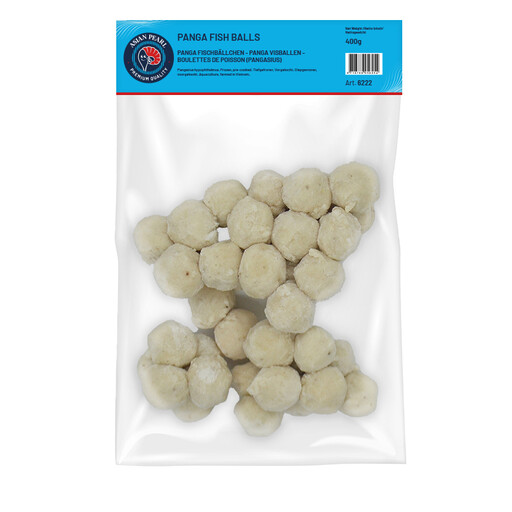
Why this fits the profile: A straightforward 400g pack for soup, noodles or a simple hotpot, with no complicated preparation.
The ingredients list states 95% pangasius. This makes it clear which ingredient forms the base.
400 g per pack, suitable for quick preparation and with fish as the main ingredient.
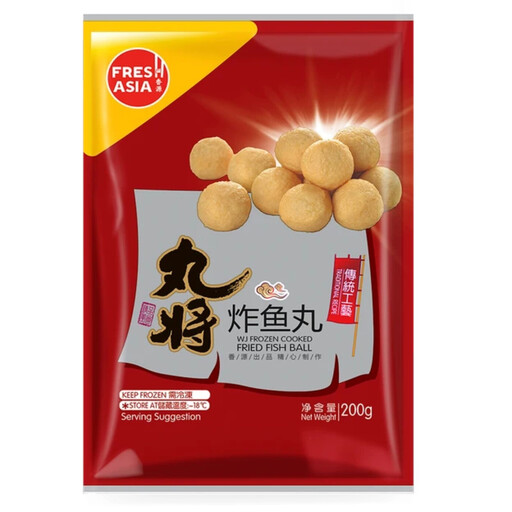
Why this fits the profile: For those who value a higher stated fish percentage and a snack-like, fried texture.
The product information states 77% fish meat and 12% tapioca starch; the ratio is therefore verifiable.
Can be used in hotpot, soup or noodles; also suitable as a snack after heating.
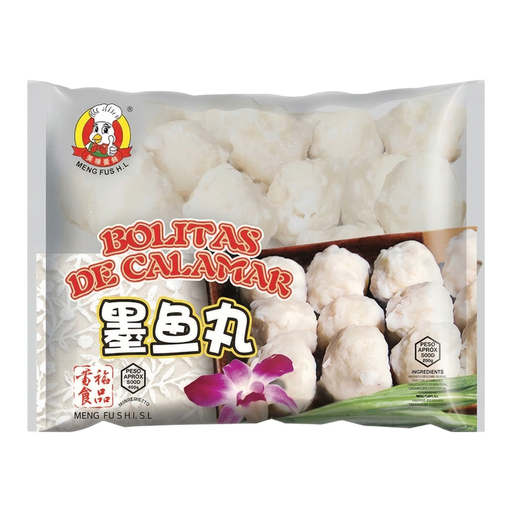
Why this fits the profile: A practical choice for fans of a firm squid flavour and regular hotpot meals.
The product specification states 80% squid and makes the mollusc allergen explicit.
360 g content, can be cooked straight from the freezer and suitable for hotpot, soup and oden.
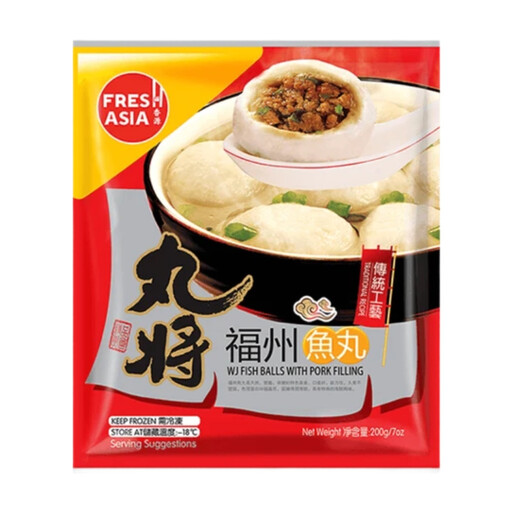
Why this fits the profile: For those looking for a Chinese classic with a savoury filling for clear soup, noodles or hotpot.
The product description clearly states fish paste, a pork filling and a cooking time of 5 to 7 minutes.
200 g pack, suitable for cooking from frozen and recognisable Fuzhou style.
We have compiled a full, up-to-date list of products that fully meet these strict selection criteria and comply with current European safety regulations.
With many varieties, yes. Add them frozen to a well-heated broth and follow the time on the packaging. For stuffed fish balls, it is important that the centre is also completely hot and cooked through.
Store them at -18 °C or lower until the best-before date on the packaging. According to the product information, you should not refreeze them after thawing. Keep any leftovers chilled and follow the instructions on the label.
Yes. Chinese fish balls, Fuzhou fish balls and surimi balls are often used in clear broth, noodle soup and hotpot. Choose a plain variety for a mild soup, a stuffed variety for extra filling, or squid balls when you want a firmer seafood flavour.
