
Vandaag of morgen in huis

Kwaliteit gegarandeerd

Welkomstaanbiedingen ontgrendelen: GRATIS bezorging | Tot 80% korting | Gratis 30 dagen JoyPlus-proefperiode
Download de app
A jar of Asian fermented bean sauce can add real depth to a simple dish. Yet Chinese bean paste, fermented black beans, doenjang, miso paste and ssamjang are not all the same. They differ in flavour, texture, salt content and how they are used.
The biggest mistake usually happens when a product is judged only by the front of the packaging. So watch out for these common pitfalls:
Fermented bean sauce is typically made with soybeans, salt and water. Some types have wheat, rice, chilli, garlic or other seasonings added. During fermentation, a savoury, complex flavour develops that is often described as umami.
The way it is used varies by cuisine:
Look at the full ingredients list rather than just terms like “authentic” or “traditional”. For example, Shinho Soybean Paste 150g lists water, non-genetically modified soybeans, wheat flour and salt. This product therefore contains soya and wheat.
A variety with a short ingredients list can be handy when you want to build the flavour yourself. Haday 0 Added Soybean Paste 360G lists water, soybeans, wheat and salt. The term “0 added” should always be checked against the full list and nutritional information; also look at the label on the packaging you receive.
Fermented sauces are concentrated flavourings. The salt content listed in the product specifications ranges from 7.0g of salt per 100g for Sempio Ssamjang to 21.25g per 100g for Shinho Liu Yue Xiang Doubanjiang. That does not automatically mean a product is unsuitable, but it does mean you need to adjust the amount in a recipe.
Also check the packaging. A large 800g jar is practical for regular use or a professional kitchen, but less sensible if you only make a noodle dish occasionally.
Whole fermented black beans give small, savoury pieces in a dish. A smooth soybean paste blends more easily into a sauce or marinade. Ssamjang and some dipping sauces are already seasoned and ready to use straight away.
Also pay attention to the usage instructions:
For products with a brand claim about traditional preparation: according to the brand’s product description, the sauce is made that way. The practical choice should ultimately be based on the ingredients list, nutritional values, contents and usage instructions.
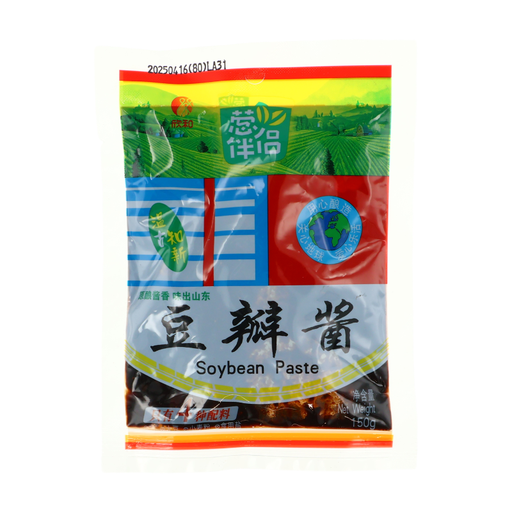
Why this fits the profile: The 150g jar is manageable for anyone trying Chinese bean paste for the first time and not wanting to buy a large stock straight away.
The product information clearly lists soya and wheat as allergens and gives uses for dips, stir-fries, stews and sauces.
Ready-to-eat, 150g contents and 11.3g protein per 100g according to the product data.
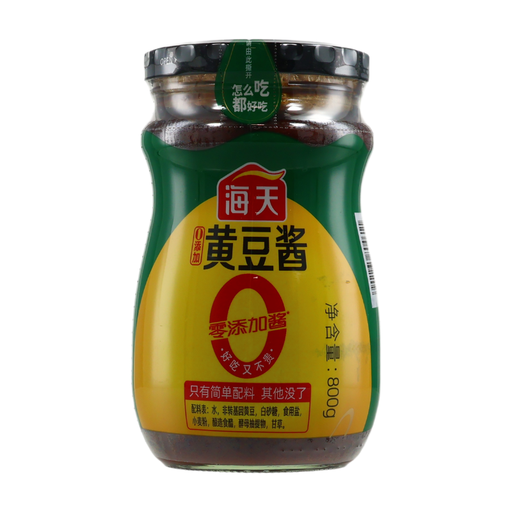
Why this fits the profile: This large pack suits home cooks who frequently stir-fry, make marinades or prepare dishes like zhajiangmian.
The ingredients list states water, soybeans, sugar, salt, wheat flour and yeast extract. This allows you to compare the composition with your own preferences.
800g contents, 19% soybeans according to the label and suitable for stir-frying, marinades, stews and dips.
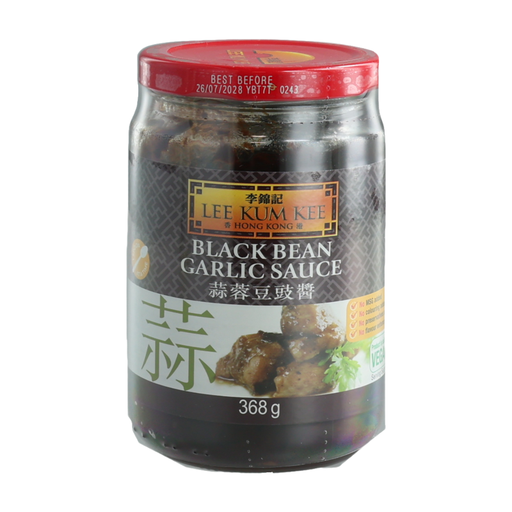
Why this fits the profile: The combination of fermented black beans and garlic is practical for quick stir-fries, steamed dishes and marinades.
The sauce is already combined with garlic, so you do not need to soak, chop and measure out loose black beans.
368g contents, 6.75g salt per 100g and usage advice for stir-frying, steaming and marinating.
We have put together a full, up-to-date list of products that fully meet these strict selection criteria and comply with current European safety regulations.
Store an unopened jar according to the label, usually in a cool, dry place away from direct sunlight. Once opened, refrigeration at 0–4 °C is recommended for several products. Always use a clean spoon and seal the packaging tightly. Check the best-before date and discard the product if there is an unusual smell, mould or damaged packaging.
Start with a small amount in a recipe. A teaspoon of fermented black beans or soybean paste can be enough for one portion of stir-fried vegetables. Only add extra salt, soy sauce or stock after you have tasted it.
That varies by product. Sempio Ssamjang is described as vegan in the product information, but other sauces may contain ingredients that do not suit every diet. Always check the ingredients list and allergen information on the packaging.
Miso paste is a Japanese flavouring made from fermented soybeans and often rice. Doenjang is a Korean soybean paste with a strong, savoury flavour. Chinese bean paste is used in stir-fries, noodles and stews, among other dishes. The exact taste depends on salt, grains, chilli and other added ingredients.
The shelf life after opening varies by brand and product type. Store the jar according to the label, put it in the fridge if indicated and always use clean utensils. The date on the packaging and any instruction such as “refrigerate after opening” are the best guide.
