
Vandaag of morgen in huis

Kwaliteit gegarandeerd

Welkomstaanbiedingen ontgrendelen: GRATIS bezorging | Tot 80% korting | Gratis 30 dagen JoyPlus-proefperiode
Download de app
Fancy some Asian egg snacks, but can't decide between quail eggs, salted duck eggs, century eggs or crispy egg rolls? The difference isn't just about taste. Packaging, portion size, allergens and storage instructions all determine whether a product is right for your needs.
Marketing copy can make a snack sound appealing, but it doesn't always tell you what you practically need to know. So pay close attention to the verifiable information on the label and product page instead.
A multi-pack is handy for families or enthusiasts who regularly eat rice, noodles or congee. For occasional use, a smaller pack may make more sense. Look at the net weight and the number of individual portions. Six duck eggs weighing 70g each, for example, is quite different from four smaller pidan eggs.
With seasoned quail eggs, the flavour can range from soy-braised to spicy or salt-roasted. Check the ingredients list and nutritional values. Some products contain sweeteners, flavour enhancers, soya or wheat. "Low-sugar formula" is not the same as sugar-free; look at the sugar content per 100g.
Also, don't let brand claims distract you from the label. According to a brand's own research, a product might claim a certain texture or preparation method. But before you buy, it's the listed ingredients, allergens, nutritional values and usage instructions that you can actually verify.
Many ready-to-eat egg snacks can be eaten straight from the pack. However, storage instructions often change once opened. Some eggs need to be refrigerated and consumed quickly. Dry egg rolls, on the other hand, lose their crunch if the bag is left open.
There's a clear difference between:
Check whether the product is ready to eat or needs to be heated first. For some salted duck eggs, the product information advises briefly boiling or steaming before serving.
Pay attention to the mandatory allergen information. With egg snacks, egg, soya, wheat and milk are common. Yang Hang Egg Rolls Original Flavor, for example, contain wheat and egg. The fermented tofu variant also contains soya.
With seasoned quail eggs, the ingredients list can be more extensive than just egg, salt and spices. The Yan Jin Pu Zi O-King variants contain quail egg, soya and wheat, and list sweeteners. If you have an allergy or intolerance, always compare the full ingredients list on the packaging.
Salted duck eggs and marinated quail eggs can be relatively high in salt. The Guangyang Salted Duck Eggs list 5.25g of salt per 100g; Shen Dan Salted Duck Eggs state 5.5g per 100g. That makes them suitable as a flavourful part of a meal, but you don't need a large portion.
For sweet snacks, the sugar content matters. Yang Hang Handmade Egg Rolls Original Flavor contain 33g of sugar per 100g according to the product information. So use the nutritional values alongside your own eating occasion: as a small snack, with tea, or to share.
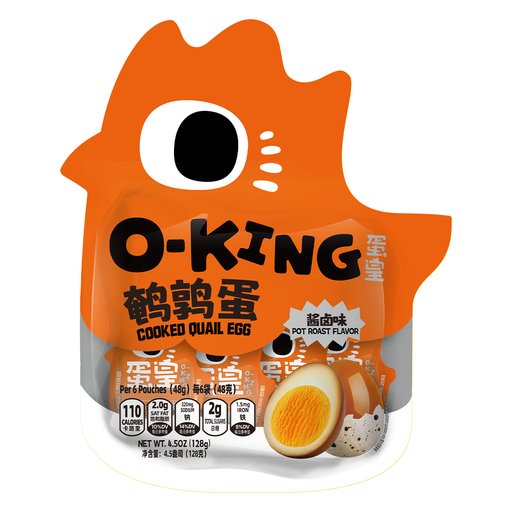
Why this fits the profile: The individually wrapped portions are practical for on-the-go, at the office, or as a first introduction to seasoned quail eggs.
The net weight of 128g and approximately 16 pieces make the portion clear upfront. The packaging also lists soya, wheat, egg and sweeteners.
Soy-braised flavour, individually wrapped and ready to eat. The label states 16.6g of protein per 100g.
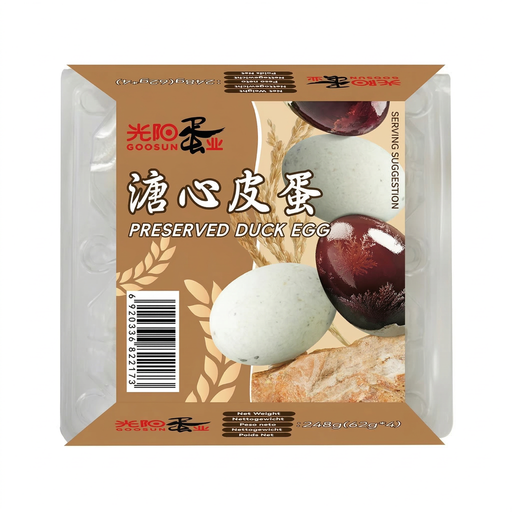
Why this fits the profile: These century eggs are intended for lovers of the characteristic pidan texture and a striking presentation as part of an Asian meal.
The product information states four eggs of 32g each, ingredients and a storage period after opening: keep refrigerated and use within seven days.
Ideal for serving in slices with pickled ginger or soy sauce. The product contains duck egg and notes a soft yolk texture.
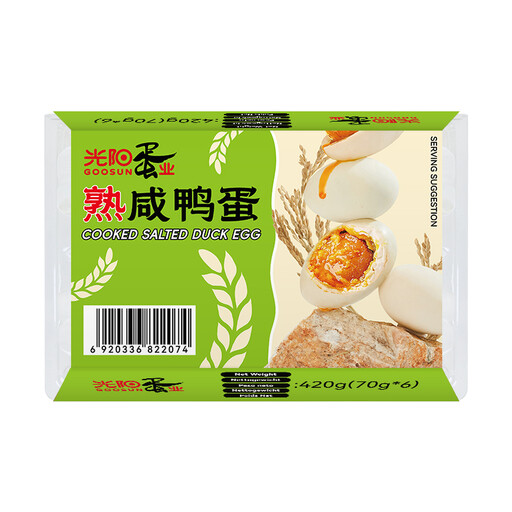
Why this fits the profile: A pack of six vacuum-packed duck eggs suits those who use Chinese eggs with congee, rice, noodles or as part of several meals.
The contents are clearly specified as six pieces of 70g each. The product information also mentions refrigeration after opening and the option to heat.
Only duck egg, water and salt are listed as ingredients. The eggs are suitable for eating straight away, heating or serving in slices.
We've put together a full, up-to-date list of products that fully meet these strict selection criteria and comply with current European safety regulations.
Start with individually wrapped seasoned quail eggs. They're small, ready to eat and available in flavours such as soy-braised, salt-roasted or spicy. If you prefer a sweet snack, you can choose Chinese egg biscuits or egg rolls.
Always follow the instructions on the packaging. Many preserved eggs, such as pidan eggs and salted duck eggs, need to be refrigerated after opening and eaten quickly. Don't automatically keep them at room temperature just because they were shelf-stable unopened.
That depends on the type and packaging. Compare the price per 100g or per piece, not just the total price. A larger pack of Chinese eggs can be good value if you use them regularly, while individually wrapped quail eggs mainly cost more for the convenience of portion control. With egg rolls, the net weight also plays an important role.
