
Vandaag of morgen in huis

Kwaliteit gegarandeerd

Welkomstaanbiedingen ontgrendelen: GRATIS bezorging | Tot 80% korting | Gratis 30 dagen JoyPlus-proefperiode
Download de app
Asian drinks and tea are available in the Netherlands in many varieties: from bubble tea and milk tea to matcha and Japanese tea, Chinese tea, fruity iced tea and ready-to-drink fruit beverages. The difference isn’t just about flavour. Ingredients, portion size, preparation and storage all determine whether a purchase is right for you.
If you only go by an attractive package or a flavour name like “peach” or “brown sugar”, you might be in for a surprise. Below are the most important things to check, followed by recommendations for different situations.
“Peach”, “lychee” or “passion fruit” doesn’t automatically mean a high percentage of fruit juice. Always check the quantitative ingredient declaration. With Senpure Meco Peach Pomelo Juice Tea, the drink contains, according to the product information, 15.5% peach concentrate, 7.5% apple concentrate and 2% red grapefruit concentrate. The drink also contains sweeteners.
With other products, the fruit flavour may come mainly from flavourings. That’s not necessarily a problem, but it creates a different taste expectation than a drink with a clearly stated juice percentage.
A ready-to-drink tea sometimes contains sugar, syrup, milk powder or sweeteners. For example, JARDIN Café Real Peach Iced Tea contains 24 grams of sugar and 101 kcal per 230 ml pouch, according to the stated nutritional information. RICO Bubble Red Tea Drink contains milk ingredients, sugar and chewy pieces.
Always read the nutritional values per 100 ml and per package. A 400 ml bottle may contain significantly more than the value you’d expect based on 100 ml.
Tea in bags is quick to prepare, while loose Chinese tea or Pu-erh tea requires more attention. A 190 or 230 ml pouch is handy for on the go, but less suitable when you want to serve several glasses. Also check the storage instructions: many drinks must be refrigerated after opening and consumed immediately or within the stated period.
Check before buying:
Loose tea requires the right amount and water temperature. For Bama Chenpi White Tea Shoumei, 3–5 grams of tea to 300 ml of water at 85–95 °C and a steeping time of 3–5 minutes is recommended. Pu-erh tea, according to the product information, is first briefly rinsed and then infused several times with water at 95–100 °C.
Ready-to-drink beverages are ready to enjoy. Senpure Meco drinks are recommended chilled or with ice. Store unopened drinks according to the label, away from direct sunlight and heat. Do not use a product if the seal is damaged before opening.
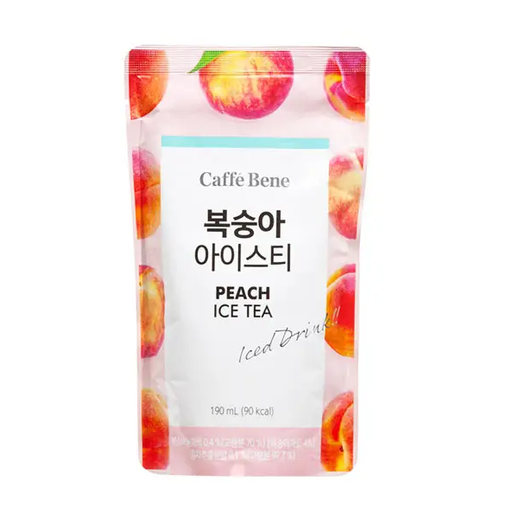
Why this fits the profile: The 190 ml portion is easy to manage and the pouch is convenient to take to work, a picnic or on the go.
The contents and origin are clearly stated. Do check the current ingredients and nutritional values on the packaging before buying.
190 ml per pouch; peach iced tea; from Korea; serve chilled.
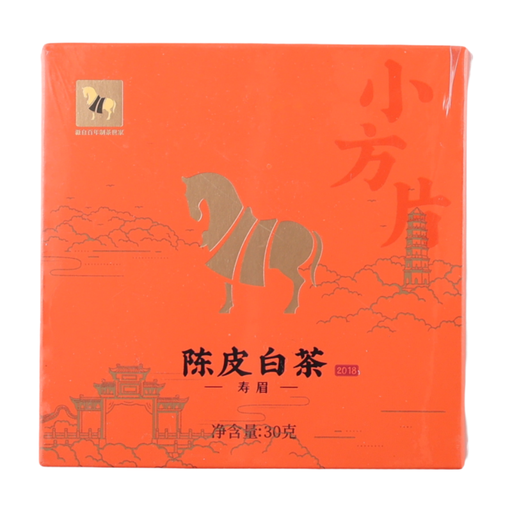
Why this fits the profile: This loose Chinese tea combines white tea with dried tangerine peel and is suitable for multiple infusions.
The ingredients are limited to Shoumei white tea and chenpi. The brewing instructions specify quantity, temperature and steeping time.
30 grams; 85–95 °C recommended; multiple infusions possible; no allergens listed.
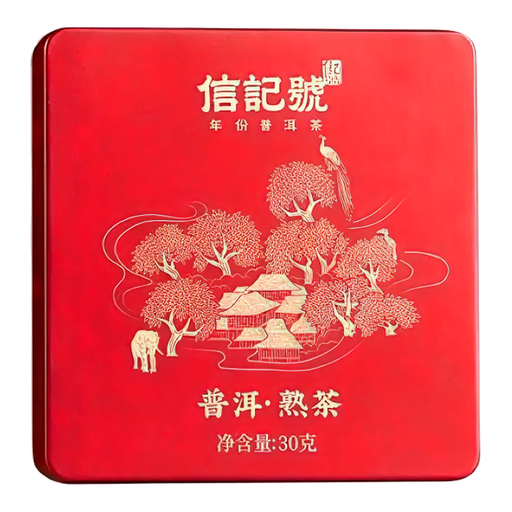
Why this fits the profile: The portion is ideal for trying out different brewing sessions. Pu-erh can be infused 5–10 times according to the product information.
The packaging states a specific brewing method with 5–8 grams of tea, 95–100 °C water and a short first steeping time.
30 grams; loose tea; multiple infusions; origin China.
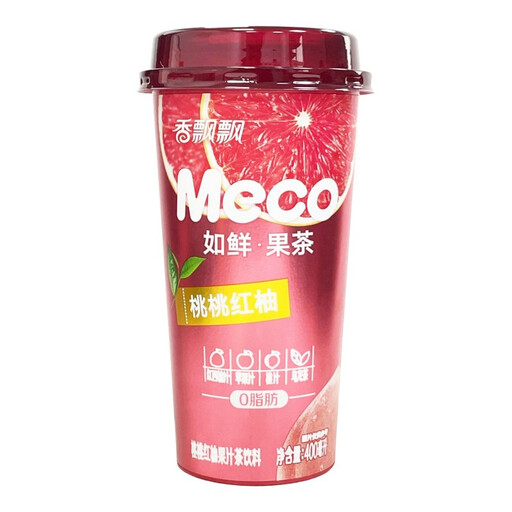
Why this fits the profile: The drink is ready to drink and combines oolong tea with peach, apple and red grapefruit for a fruity break.
The product information states the percentages of the main juice concentrates and explicitly mentions the presence of sweeteners.
400 ml; ready to drink; oolong base; recommended chilled or with ice.
We’ve put together a full, up-to-date list of products that fully meet these strict selection criteria and comply with current European safety regulations.
Ready-to-drink tea can be enjoyed straight from a bottle, can or pouch. Tea in bags still needs to be brewed with hot water, but often takes up less packaging volume per serving. With both types, you should check the label for sugar, sweeteners, caffeine information and allergens.
Always follow the label. The product information for several drinks states that an opened package must be refrigerated and consumed within the stated period. Seal the package properly and do not use a product if the seal was damaged.
Houjicha, a roasted Japanese tea, has a mild, roasted flavour according to the product information. White tea with chenpi can also offer a softer profile with a subtle citrus aroma. For a fruitier result, oolong or jasmine tea drinks with peach, lychee or passion fruit are a practical choice.
