
Vandaag of morgen in huis

Kwaliteit gegarandeerd

Welkomstaanbiedingen ontgrendelen: GRATIS bezorging | Tot 80% korting | Gratis 30 dagen JoyPlus-proefperiode
Download de app
Asian drinks come in many varieties, from creamy soy drinks and soya milk to coconut water, aloe vera drinks and drinkable konjac jelly. This wide selection is useful, but it can make comparisons more difficult. Colourful packaging tells you little about the sugar content, the proportion of fruit juice or how practical the pack size is.
So pay particular attention to these common pitfalls:
Always compare the nutritional values per 100 ml. This lets you see the difference between a 250 ml carton, a 500 ml bottle and a 1-litre pack.
A few examples from the range:
So you should always consider a claim such as sugar-free drink alongside the full ingredients list. Also check whether sugar has been replaced with sweeteners and whether the nutritional values on the product label match the online information.
A drink’s name does not always tell you how much of the named ingredient it contains. With fruit drinks, the difference between fruit juice, fruit juice concentrate, flavouring and extract is relevant.
There are also clear flavour differences between coconut drinks:
For soy drinks, check that soy is the main ingredient. Also pay attention to allergens. Vitasoy Original Soy Milk lists soya beans as an allergen. V-SOY Original Soy Drink lists soya and gluten from barley. This is particularly important for people who need to avoid allergens.
For drinking on the go, portions of 150 to 500 ml are practical. A 250 ml ready-to-drink beverage, for example, is easy to enjoy with breakfast or lunch. A 1-litre pack makes more sense at home, for coffee, smoothies or use in recipes.
A multipack of six or twelve items may work out cheaper per serving, but check the following in advance:
Unopened drinks are usually stored in a cool, dry place away from direct sunlight. Many products need to be refrigerated after opening and consumed within the period stated on the packaging.
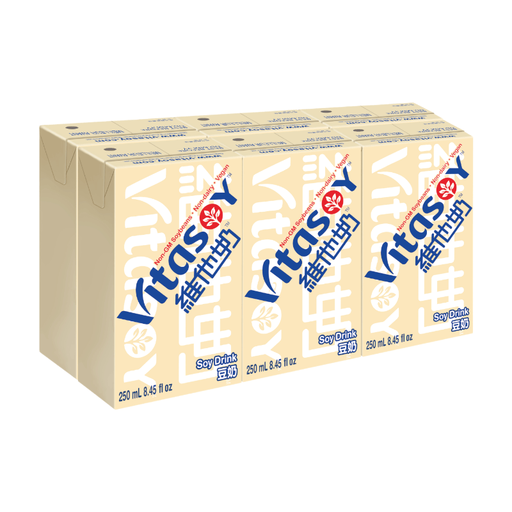
Why it suits this profile: Six individual 250 ml cartons are a convenient way to try classic soy drink for the first time, at home or on the go.
The serving size and nutritional values per 100 ml are provided. The ingredients list names water, sugar and soya beans, so you do not have to rely on the packaging alone.
250 ml per carton, ready to drink and, according to the product information, suitable for drinking chilled, combining with cereal or using in desserts.
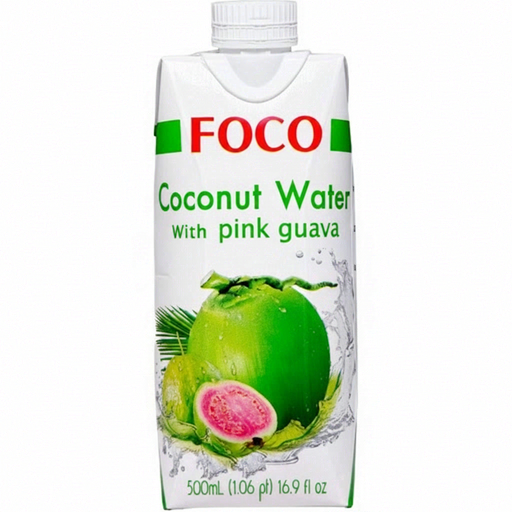
Why it suits this profile: This combination is ideal if you are looking for a fruity Asian soft drink with a recognisable coconut base and a 500 ml volume.
The product information explicitly states 5% pink guava juice and 20 kcal per 100 ml. This makes it easier to assess the fruit flavour and energy content.
500 ml, 0 grams of fat per 100 ml and suitable for drinking chilled or over ice. The information states Thailand as the country of origin.
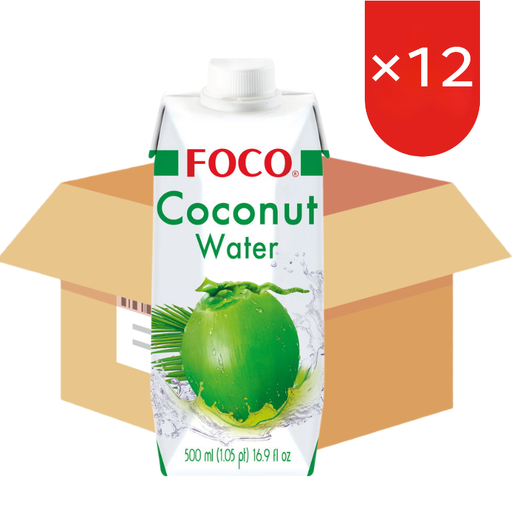
Why it suits this profile: A box of twelve bottles is practical for families, catering-style stock, workplaces or anyone who drinks coconut water regularly.
The packaging clearly states the total quantity: 12 bottles of 500 ml. This makes it easier to compare the stock and price per bottle.
A large supply of ready-to-drink beverages in a format suitable for the fridge, workplace or drinking on the go. Check the current product packaging for ingredients and nutritional values before buying.
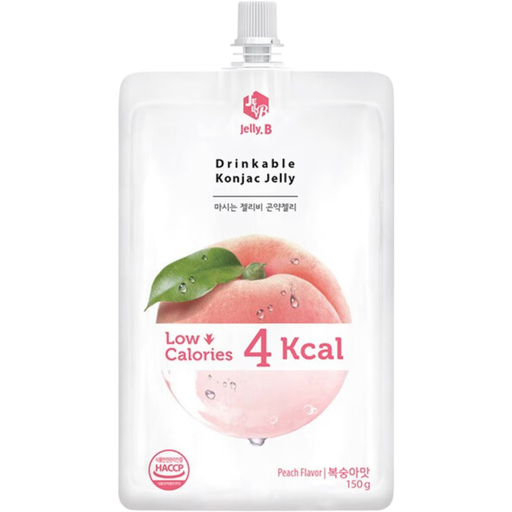
Why it suits this profile: The small pouch is easy to take to work, school or on the go, and offers a different texture from an ordinary drink.
The product information states 10 kcal and 2 grams of sugar per 100 ml. It also lists ingredients such as konjac powder and sweeteners.
150 ml per pouch, and according to the product information, free from the 14 major EU allergens. Suitable as a portable konjac jelly snack.
We have put together a complete, up-to-date list of products that fully meet these strict selection criteria and the applicable European safety regulations.
This varies by brand and flavour. The product information mentioned above lists konjac jelly and some aloe vera drinks as relatively low in calories per 100 ml. A low-calorie drink is not automatically sugar-free: always check both the nutrition table and the ingredients list.
Online retailers sometimes use the terms interchangeably. So check the ingredients, nutritional values and product name on the label. Also look out for soya as an allergen and any gluten from barley. If you are buying vegan or vegetarian products, check that the product is explicitly described as suitable.
Always follow the instructions on the packaging. Many long-life drinks need to be refrigerated after opening and consumed within a short period. Seal the bottle or carton properly, and do not use a product if the seal is damaged or the packaging is bulging.
